Elgar's Overlooked Oratorio Receives Expansive Oxford Performance
The Bournemouth Symphony Orchestra, in collaboration with the Oxford Bach Choir and a distinguished quartet of soloists, presented a compelling case for Edward Elgar's often-neglected oratorio The Kingdom at Oxford's historic Sheldonian Theatre. Conducted by Benjamin Nicholas, this performance transformed what has traditionally been viewed as the lesser work in Elgar's planned choral triptych into a resonant and convincing musical experience.
The Historical Context of an Unfinished Masterpiece
Elgar originally envisioned The Kingdom as the central panel in a grand trilogy chronicling the foundation of the Christian church. The project began with The Apostles in 1903 and was intended to conclude with The Last Judgement, which Elgar never composed. The composer's waning inspiration and fading Catholic faith left the sequence incomplete, with The Kingdom standing as the middle chapter that has frequently been overshadowed by the more dramatic The Dream of Gerontius and the event-packed The Apostles.
Where The Apostles encompasses the crucifixion and resurrection, The Kingdom focuses on the subsequent period of grassroots Christian evangelism—material that doesn't naturally lend itself to operatic grandeur. Yet Elgar, much like poet W.H. Auden who was drawn to the ordinary apostles in his lyrics for Walton's The Twelve, found profound beauty in this everyday spirituality, making it glow with musical significance.

A Performance That Invites Participation
While The Dream of Gerontius demands awe-struck admiration through solo virtuosity, The Kingdom operates differently. This oratorio invites listeners to participate in its narrative, to see themselves reflected in its musical journey. The Oxford performance masterfully realized this inclusive quality through several key elements:
- Choral Excellence: The Oxford Bach Choir, which Elgar himself conducted in a 1911 performance of this work, delivered what conductor Nicholas described as essentially "a concerto for choir." Their reading was both flexible and expansive, maintaining the work's meditative essence while never distorting its structure.
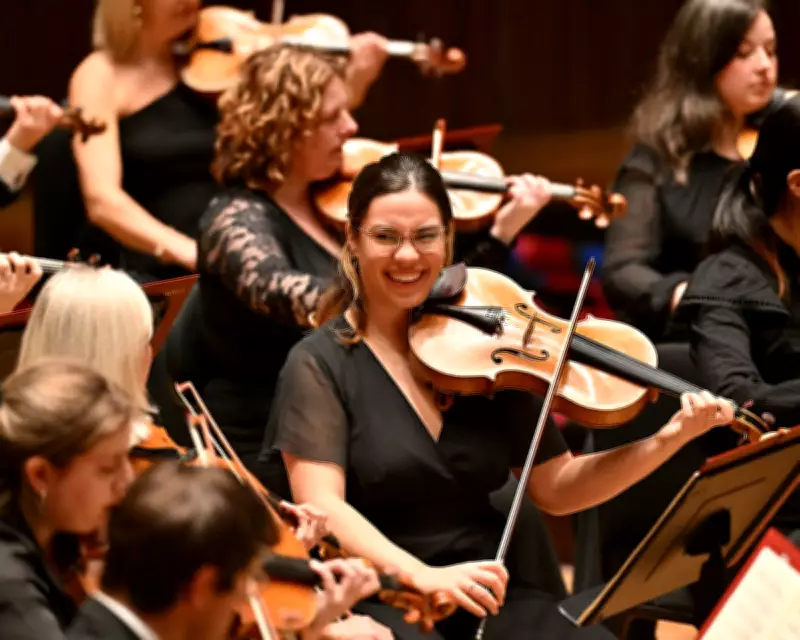
- Orchestral Partnership: The Bournemouth Symphony Orchestra, though initially taking time to settle into the acoustically challenging Sheldonian space, developed a secure partnership with the choir. By the performance's conclusion, following a stylish solo from leader Amyn Merchant, they navigated Elgar's musical sidesteps and surges with confidence.
- Soloist Contributions: A strong quartet of soloists elevated the performance throughout. Ben Hulett's John was brilliant and ringing, balanced by the muskier depth of mezzo Catherine Wyn Rogers. Soprano Sophie Bevan offered heartfelt delivery, particularly in the soothing "The sun goeth down," though her voice didn't quite achieve the "gorgeous velvet cloth of sound" the score demands. Baritone Gareth Brynmor John's Peter proved particularly compelling—an evangelist whose performance could have converted listeners on the spot.
Sensory Immersion in Musical Narrative
The performance achieved remarkable sensory immersion. When the Pentecostal tongues of flame flickered through darting choral entries, and a "mighty wind" rushed through harp and strings, the audience genuinely felt the heat and gust. The substantial sound of the combined forces, though a tight fit in the Sheldonian, proved dramatically effective, engulfing listeners in Elgar's musical world.
This Oxford revival of The Kingdom demonstrates that Elgar's middle oratorio deserves reconsideration. Far from being the "runt of the litter," it offers a unique participatory experience that differs fundamentally from his more celebrated works. The Bournemouth Symphony Orchestra and Oxford Bach Choir have made a persuasive argument for its place in the classical repertoire, revealing the work's capacity to mirror our own spiritual journeys through its musical narrative.