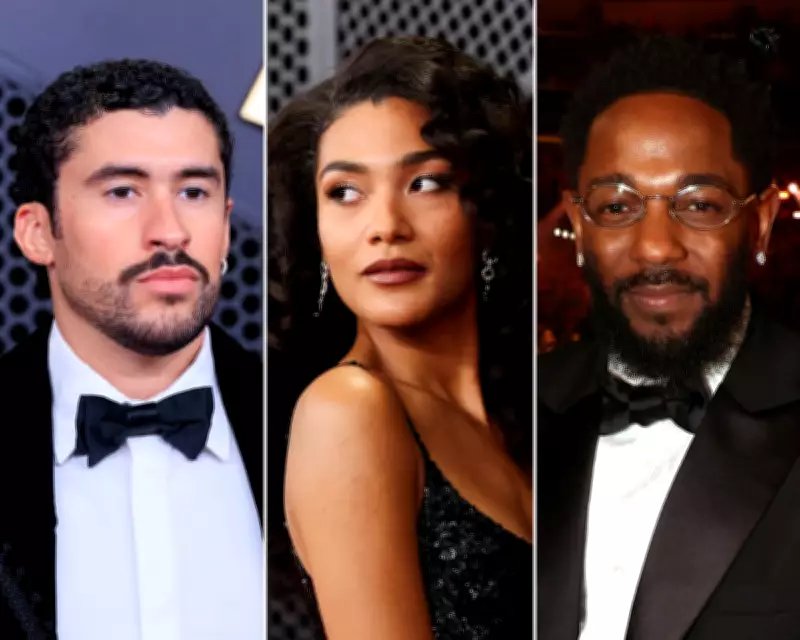
Grammys 2026: A Night of Political Statements and Historic Victories
The 68th annual Grammy Awards ceremony in 2026 will be remembered as much for its robust political messaging as for its musical achievements. From impassioned speeches condemning US Immigration and Customs Enforcement (ICE) to landmark wins for legendary artists, the event showcased the music industry's evolving role in social commentary.
Anti-ICE Sentiment Dominates the Stage
While celebrity political statements at awards shows often face scrutiny regarding their effectiveness, the 2026 Grammys featured particularly forceful and varied condemnations of ICE policies that resonated throughout the evening. Multiple artists used their platform to address immigration issues, creating a unified message that transcended musical genres.
Billie Eilish set the tone early, declaring "No one is illegal on stolen land" as she accepted Song of the Year for Wildflower. Her emotional speech culminated with the direct statement: "'Fuck Ice' is all I want to say, sorry." This sentiment was echoed by R&B winner Kehlani, who called for industry-wide solidarity against injustice while accepting an award for Folded.

Perhaps the most remarkable commentary came from Bad Bunny, whose speech blended clarity with humanism. "ICE out. We're not savage, we're not animals, we're not aliens. We are humans and we are Americans," he stated, before advocating for love over hate in political discourse. This was particularly poignant given the artist had cancelled US concerts the previous year over fears his fans might face ICE detention.
British Breakthrough: Olivia Dean's Ascension
In the Best New Artist category, Olivia Dean continued Britain's proud tradition of Grammy success, joining legendary predecessors like The Beatles, Amy Winehouse, and Adele. Her victory over strong competitors including Addison Rae and Leon Thomas recognised both her exceptional songwriting and the emotional depth of her breakthrough second album The Art of Loving.
The album functions almost as a concept work exploring love's many facets, from playful early flirtation to painful endings. Dean's acceptance speech highlighted her immigrant heritage, stating "I'm up here as a granddaughter of an immigrant – I'm a product of bravery." With The Art of Loving released too late for 2026 eligibility, industry observers anticipate further recognition for the rising star in coming years.
Kendrick Lamar's Continuing Dominance
Kendrick Lamar further cemented his status as one of the Recording Academy's most celebrated artists, adding five more Grammys to his collection. His victories spanned all four rap categories plus the prestigious Record of the Year for his SZA collaboration Luther, bringing his career total to 27 awards at just 38 years old.
Lamar's album GNX demonstrated his characteristic range, from provocative social commentary to romantic reflection. His continued success highlights the Academy's appreciation for artists who combine cerebral musicianship with commercial appeal, a balance Lamar has maintained throughout his remarkable career.
Historic Firsts and Notable Achievements
The ceremony featured several landmark moments beyond the political statements. The Cure finally broke their Grammy drought after decades of nominations, winning both Best Alternative Music Album for Songs of a Lost World and Best Alternative Music Performance for Alone. The band missed the ceremony to attend the funeral of multi-instrumentalist Perry Bamonte, adding poignancy to their long-awaited recognition.
In perhaps the evening's most unexpected victory, the Dalai Lama won his first Grammy in the Best Audiobook category for Meditations: The Reflections of His Holiness the Dalai Lama. At 90 years old, this places him among the oldest Grammy winners in history, though still some way behind 97-year-old bluesman Pinetop Perkins.

Performance Highlights and Industry Recognition
Justin Bieber delivered what many considered the performance of the night with his rendition of Yukon. Appearing in just shorts and socks beside a full-length mirror, he created an atmosphere of confected anti-glamour while demonstrating impressive musical craftsmanship, building the song's riff live through guitar loops and drum pads.
On the production side, Canadian musician Henry Walter (known professionally as Cirkut) won his first Producer of the Year award, joining the ranks of pop production giants like Max Martin and Jack Antonoff. His work on Lady Gaga's Mayhem (which won Best Pop Album) and contributions to Charli xcx's Brat demonstrate his ability to bridge mainstream and alternative pop sensibilities.
British Success Across Categories
While no British artists featured in the main four categories (Record, Song, or Album of the Year), several achieved significant victories elsewhere. Lola Young triumphed in the competitive Best Pop Solo Performance category with Messy, beating established stars including Justin Bieber and Lady Gaga. Other British winners included FKA twigs (Best Dance/Electronic Album), Cynthia Erivo (Best Pop Duo/Group Performance with Ariana Grande), and Yungblud (Best Rock Performance).
The evening also saw posthumous recognition for jazz legend Chick Corea, who extended his record as the most decorated jazz musician in Grammy history with his 29th award for Best Jazz Performance. His live rendition of Windows, recorded during his final tour in 2020, demonstrated that his musical curiosity remained undiminished until the end.
As the music industry continues to navigate complex relationships between art, politics, and recognition, the 2026 Grammys provided a compelling snapshot of contemporary concerns and enduring musical excellence. The blend of social commentary with artistic celebration suggests awards ceremonies may be evolving into more substantive cultural conversations, even as they maintain their traditional role of honouring musical achievement.