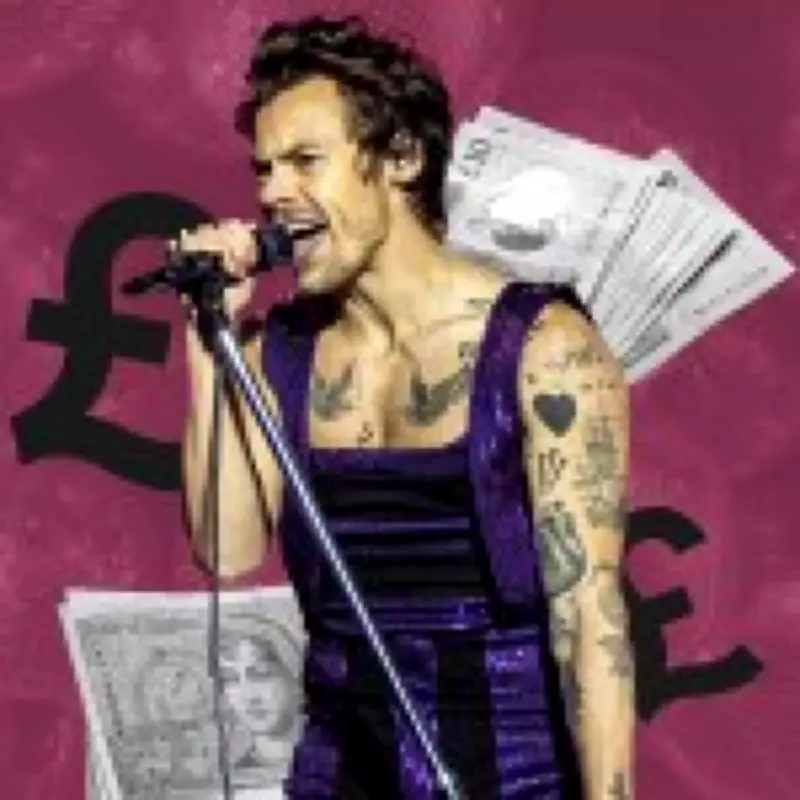
Harry Styles' Residency Triumph Overshadowed by Ticket Price Controversy
Harry Styles' highly anticipated return to the music scene has been met with a mixture of excitement and frustration, as his innovative residency tour format becomes embroiled in a heated debate about affordability in live music. The global superstar, fresh from a three-year hiatus spent travelling Europe, marathon running, and romance, unveiled his new album Kiss All The Time, Disco Occasionally alongside the ambitious Together Together tour. However, what should have been a celebratory moment has transformed into a flashpoint for growing discontent about what many perceive as excessive pricing within the industry.
A Record-Breaking Tour Strategy
Departing from traditional touring models, Styles has opted for a series of high-profile residencies in just seven international cities: Amsterdam, London, São Paulo, Mexico City, New York, Melbourne, and Sydney. This approach represents a significant evolution from his previous Love On Tour, which spanned 169 shows over 22 months. The London leg alone will see him perform an unprecedented 12 nights at Wembley Stadium, a feat that surpasses records held by Coldplay, Oasis, and Taylor Swift, and is expected to draw over a million fans to the iconic venue.
Industry experts have noted the strategic brilliance behind this move. Emma Bownes, Senior Vice President Programming at AEG International, highlighted that "touring models are evolving, and the demand for concert residencies continues to grow, particularly in London." She emphasised that this format allows for more immersive fan experiences and bespoke production. Adetokunbo 'T' Oyelola, owner of music venue Soul Mama, added that such a residency "carries real prestige" and signals "cultural dominance," positioning Styles firmly among the global live music elite.

The Sting of Soaring Costs
Despite these professional accolades, the tour has become a lightning rod for criticism regarding ticket affordability. Standard ticket prices ranged from £44.10 to £466.25, with most fans offered seats between £80 and £200. When VIP packages are included, the top price skyrockets to £725.45—a sum that grants access to a lounge and memorabilia rather than a meet-and-greet. This represents a sharp increase from his last Wembley appearance less than three years ago, where top-tier tickets cost £140 less.
The residency model itself exacerbates the financial burden on fans. By concentrating shows in fewer locations, the logistical and travel costs are transferred from the artist to the audience. Data from Access Hospitality revealed a staggering 1,874% surge in searches for "hotels near Wembley" following the tour announcement, with some accommodation prices reportedly jumping from around £100 to £1,400 per night. Combined with the UK's notoriously high rail fares, attending a concert can become a prohibitively expensive endeavour.
Industry and Fan Backlash
Veteran tour manager Kev Nixon, with over four decades of experience, did not mince words, branding the pricing structure a "slap in the face" for fans, particularly younger audiences with limited disposable income. He argued that residencies are "engineered by promoters and booking agents" and are ultimately "all about making more money." This sentiment has been echoed across social media, where many fans have expressed disappointment and some have chosen not to purchase tickets at all.
It is worth noting that Styles is donating £1 from every ticket sold to the Live Trust, supporting grassroots music initiatives. However, this gesture has done little to quell the anger. The controversy has even spilled over into public remarks from his former One Direction bandmate, Zayn Malik, who made a pointed joke about ticket prices during a Las Vegas performance.

A Broader Crisis in Live Music
This incident reflects a wider, systemic issue within the live music sector. According to data from resale platform Viagogo, ticket prices have risen by 260% since 2005, far outpacing the 95% general inflation rate over the same period. While recent parliamentary discussions have focused on capping resale prices, primary ticket sales—which constitute 94% of the market—remain largely unregulated.
The current backlash presents a critical moment for both artists and policymakers. As one industry observer noted, if high-profile tours continue to sell out despite vocal complaints, there is little incentive for promoters to lower prices. The onus may now fall on government intervention to ensure live music remains accessible, or on fans collectively resisting what they perceive as exploitative pricing. For now, Harry Styles' landmark residency tour stands as both a monumental career achievement and a potent symbol of a deepening affordability crisis in entertainment.