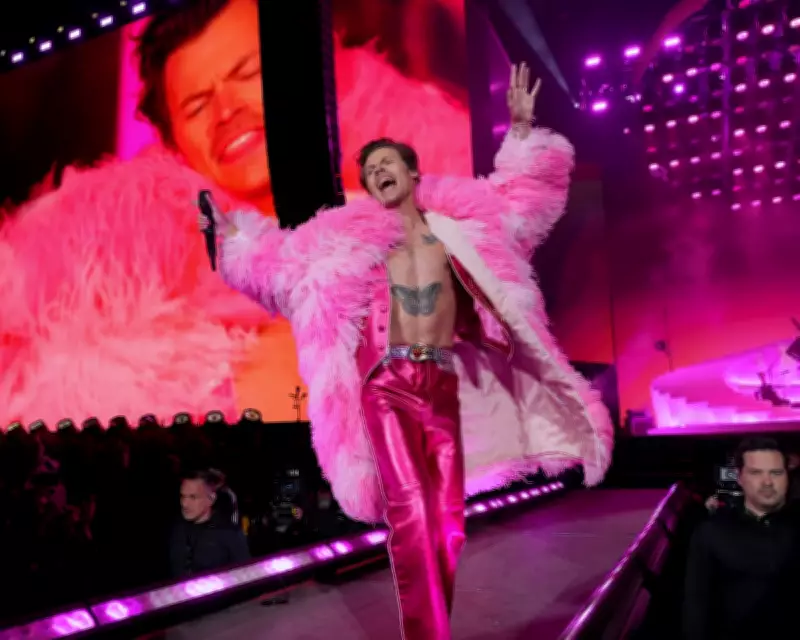
Harry Styles' Wembley Residency Ignites Ticket Price Controversy
In a move that has sparked widespread debate, global superstar Harry Styles recently announced a record-breaking 12-date residency at Wembley Stadium. Ticket prices for the shows range from £44.10 for distant seats to a staggering £466.24 for premium options, with general standing tickets priced at £144.65 and exclusive enclosures costing up to £279.45. Access to the presale was limited to American Express cardholders and those who pre-ordered his upcoming album, Kiss All the Time. Disco, Occasionally, set for release on 6 March. This pricing strategy has triggered a significant backlash from fans, many of whom are young and find the costs prohibitive, raising concerns about accessibility in live music.
The Broader Industry Trend of Escalating Costs
Styles is not alone in facing criticism for high ticket prices. In recent years, artists like Adele, Taylor Swift, and Oasis have also come under fire for similar practices. The case of Oasis highlighted the issue of dynamic pricing, where face values become meaningless as prices fluctuate based on demand. While government interventions, such as making ticket resale above face value illegal in November 2025 and efforts by the Competition and Markets Authority to enforce transparency from sellers like Ticketmaster, are positive steps, they address only part of the problem. The core issue remains the soaring face-value tickets themselves, driven by factors like post-pandemic tour costs and the shift to streaming revenue models.
Impact on Smaller Artists and Venues
The knock-on effect of megastar pricing on the wider music industry is profound. As fans allocate limited leisure budgets, expensive tickets for big names can reduce spending on smaller gigs. This has dire consequences for touring bands and independent venues. According to the Music Venue Trust, one in six small venues closed in 2023, with over half of those remaining unprofitable in 2025. Mark Davyd, CEO of the trust, notes that spending £150-£200 on a stadium ticket often depletes funds that could support emerging artists in intimate settings, threatening the pipeline for future talent.

Emotional Toll and Fan Experience
Beyond financial strain, high ticket prices can sour the concert-going experience, leaving fans feeling exploited. Many question whether the premium cost justifies the often impersonal atmosphere of large arenas like the O2, where additional charges for drinks and snacks add to the expense. This emotional disconnect risks alienating audiences from live music altogether, as they weigh the value against the cost.
Positive Examples and Calls for Change
Despite the trend, some artists demonstrate that affordable pricing is possible. Prince's 2007 O2 residency charged just £31.21 per ticket, while Paul Heaton capped arena tour tickets at £35. In 2023, Robert Smith of the Cure fought Ticketmaster to keep US tour tickets at $35, arguing against market exploitation. Styles has taken a small step by donating £1 per ticket to the Live Trust to support small venues, but critics urge more action. They suggest that reducing prices could leave fans with disposable income to support grassroots music, fostering a healthier industry ecosystem.
Conclusion: A Call for Ethical Pricing
The debate around Harry Styles' ticket prices underscores a larger ethical question in the music industry. While megastars have the power to set high prices, doing so risks harming fans, smaller artists, and venues. By following examples like Robert Smith and Paul Heaton, artists can balance profitability with accessibility, ensuring live music remains a vibrant and inclusive cultural force for all.