Huw Marc Bennett's Heol Las: A Cosmic Welsh Folk Fusion
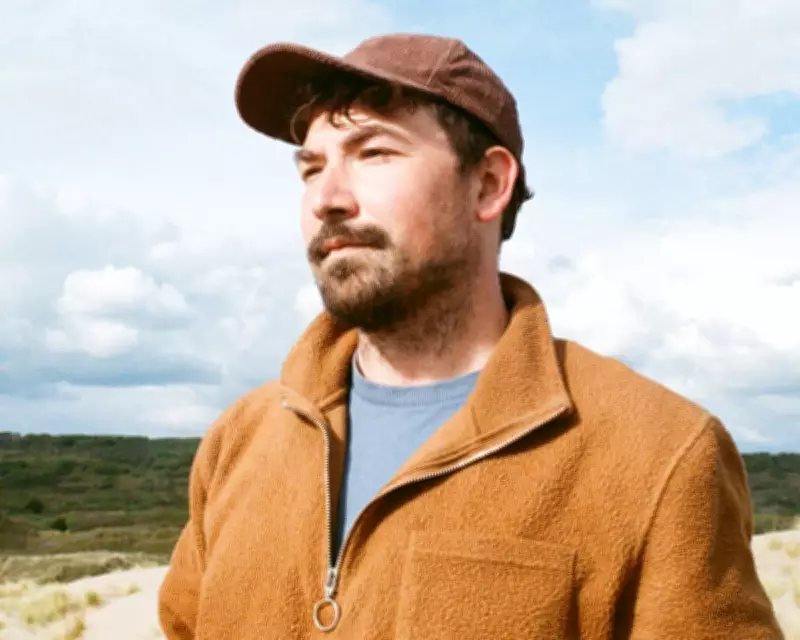
Traditional music from south Wales has rarely ventured into such cosmic territory as it does under the creative direction of Huw Marc Bennett. The producer and multi-instrumentalist's third album, titled Heol Las (which translates to Blue Street), takes classic tunes from the Glamorgan region and immerses them in lush, expansive arrangements. These compositions are infused with global influences, including the dreamy textures of surf rock and the exotic resonance of sitars, resulting in a sound that is both timeless and forward-thinking.
An Exhilarating Journey Through Sound
As the album unfolds, it transports listeners from the industrial valleys to the scenic Gower peninsula, capturing the raw beauty and dynamic energy of the landscape. The opening track, Carol Haf (Summer Carol), begins with delicate pastoral fingerpicking before a robust drumbeat propels the tune into a guitar solo reminiscent of a meditative raga. Cân y Saer Maen (Stonemason's Song) builds a similar heavy magic through the interplay of fuzzy organ tones and layered acoustic and electric guitars. When a deep, doomy bass note drops, Seth Bye's fiddles add intricate contrapuntal layers, thickening the heady atmosphere.
Innovative Tracks and Global Inspirations
Synthesiser-driven pieces like Cân Gwasael (Wassail Song) and Yr Abaty (The Abbey) evoke the eerie, nostalgic feel of lost library-music theme tunes from spooky children's television dramas. Gwenith Gwyn 1837 (White Wheat 1837) marries a forlorn chapel organ with the sound of cascading rain, creating a hauntingly beautiful auditory experience. Y Fedwen (The Birch) stands out as a sparkling, radio-friendly nugget of lost Sain Records psychedelia, showcasing Bennett's ability to blend accessibility with artistic depth.

Cultural Heritage and Modern Voices
Bennett masterfully weaves together two tunes originally transcribed by the 18th-century Welsh bard Iolo Morganwg, set against Yusuf Ahmed's crunchy, rhythmic drums. The stunning vocalist Angela Christofilou contributes lyrics inspired by Bennett's nieces, who represent the first generation in his family to experience Welsh-medium education. Her poignant words, "Dyma ei geirau ni / Llass yfory / Gadewch i mi chwarae / I bod yn rhydd" ("these are our words, the voice of tomorrow, let me play, and be free"), bridge Wales's rich past with its hopeful future, encapsulating the album's revitalizing and revelatory spirit.

Other Notable Releases This Month
- Irish folk guitarist and singer-songwriter Joshua Burnside's album It's Not Going to Be Okay (Nettwerk) is an arrestingly good collection that deals with the death of his best friend. Tracks like Nicer Part of Town, driven by simple acoustic guitar, bubble with quietly devastating imagery, while others, such as the country-shimmered The Last Armchair, hit with emotional intensity.
- Finnish duo Akkajee's Pölynkerääjä (The Dust Collector) (self-released) showcases startling ambition, feeding folk stories and instruments through unusual narrators, including church bells, an abandoned house, and a decomposing body. The vocals of Meriheini Luoto and Iida Savolainen tangle like electricity around nyckelharpas, kanteles, and ocarinas.
- Irish-English trio the Weaving's new album Dlúth & Inneach (Warp & Weft) (self-released) offers a gentler bolt of magic for spring, bringing together Méabh Begley's button accordion, Owen Spafford's fiddle, and Cáit Ní Riain's piano in brightly glowing tracks.