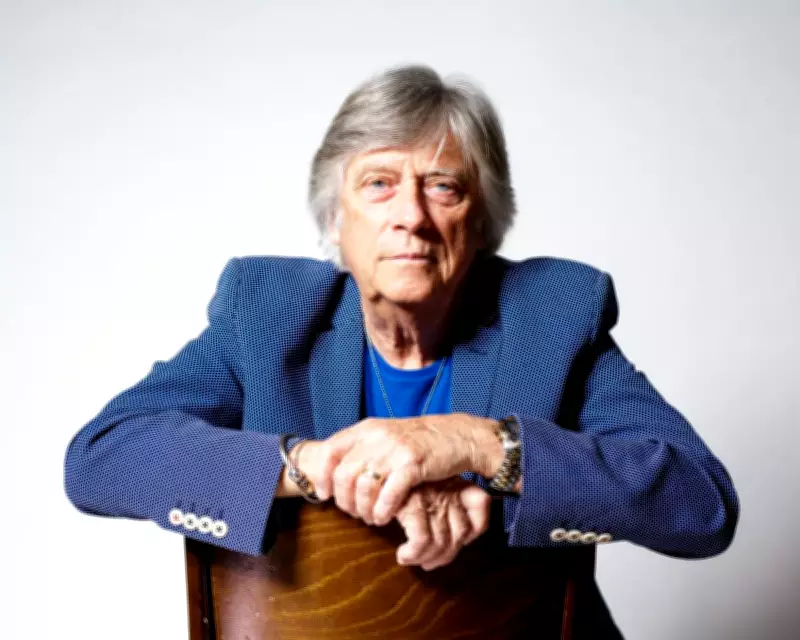
Mike Vernon, Legendary Music Producer and Label Founder, Dies at Age 81
Mike Vernon, the highly influential British music producer, label executive, and musician who played a pivotal role in shaping the sound of British blues and pop, has died at the age of 81. His remarkable career spanned over six decades, during which he worked with iconic artists including David Bowie, Fleetwood Mac, and Eric Clapton.
From Blues Fanzine to Decca Records
Born in the mid-1940s and raised in Surrey, Vernon developed an early passion for music through his church choir and his parents' jazz and show tune collections. The emergence of rock'n'roll artists like Little Richard and Fats Domino captivated him, but it was the older African American blues and R&B records that truly ignited his curiosity. While studying at Croydon Art College, he began following the pioneering British blues bands led by Cyril Davies and Alexis Korner.
Together with his brother Richard, Vernon launched the fanzine R&B Monthly, which quickly became essential reading on the London music scene due to its meticulous coverage of artists and record releases. Ambitious beyond publishing, Vernon wrote to every major British record label seeking employment. Only Decca responded, hiring him in 1962 as an A&R assistant for £8 per week.

At just 18 years old, Vernon immersed himself in record production. His enthusiasm impressed his boss, Hugh Mendl, who allowed him to record visiting African American blues musicians and demo tapes for British bands. Although Decca rejected his early recordings of the Yardbirds and the Spencer Davis Group, Vernon's determination never wavered.
Breakthrough with Blues Breakers and Blue Horizon
In 1966, Vernon persuaded Decca to let him record John Mayall & the Bluesbreakers. Drawing on his deep knowledge of Chicago blues, he developed techniques to capture the band's raw intensity and dynamic energy. The resulting album, Blues Breakers with Eric Clapton, reached number six on the UK charts, eventually achieving gold status and cementing Eric Clapton's reputation as the premier white blues rock guitarist of the era.
This success propelled Vernon into a prolific period. He went on to produce all of Mayall's major albums and, with his brother Richard, established the independent Blue Horizon label. Initially focused on issuing rare American blues 45s, Blue Horizon struck a licensing and distribution deal with CBS in 1967, significantly expanding its reach.
Vernon's work with Fleetwood Mac, a new band formed by former Bluesbreakers guitarist Peter Green, proved particularly impactful. He produced their early hits, including Black Magic Woman and the chart-topping instrumental Albatross in December 1968, helping establish Fleetwood Mac as the leading British blues band of the time.
Championing Artists Across Genres
During the British blues boom, Vernon produced numerous acts, including Chicken Shack (featuring future Fleetwood Mac member Christine McVie), Savoy Brown, and Ten Years After. Simultaneously, he used Blue Horizon to provide studio opportunities and releases for African American blues legends such as Champion Jack Dupree, Lightnin' Slim, Otis Spann, Furry Lewis, Johnny Shines, and Bukka White, offering them greater recognition than they often received in the United States.
Vernon also produced David Bowie's self-titled debut album in 1967 and the novelty single The Laughing Gnome, which he believed had hit potential. His versatility extended beyond blues, as he later produced jazz-funk band Level 42 and the African American soul group Bloodstone, whose 1973 hit Natural High was a Vernon production.
Adapting to Changing Musical Landscapes
As blues popularity declined in the early 1970s, CBS ended its association with Blue Horizon. Undeterred, the Vernon brothers opened Chipping Norton Recording Studios in 1971. Mike released two solo albums that failed to gain traction but found success as a vocalist and producer for the funk band the Olympic Runners and the doo-wop revivalists Rocky Sharpe and the Replays, both of which achieved UK and international acclaim.

In the early 2000s, Vernon relocated to Spain, where he continued to produce emerging British blues artists and release his own music. Throughout his life, he remained a passionate and knowledgeable figure, always eager to share insights on musicians like Jamaican British R&B pianist Errol Dixon and Northern Irish blues vocalist Ottilie Patterson, whom he had produced for Decca.
Mike Vernon's legacy is defined by an unwavering dedication to music. From his beginnings as a blues-obsessed teenager to his influential work with some of the biggest names in music, he served his muse generously for more than 60 years, leaving an indelible mark on the industry.