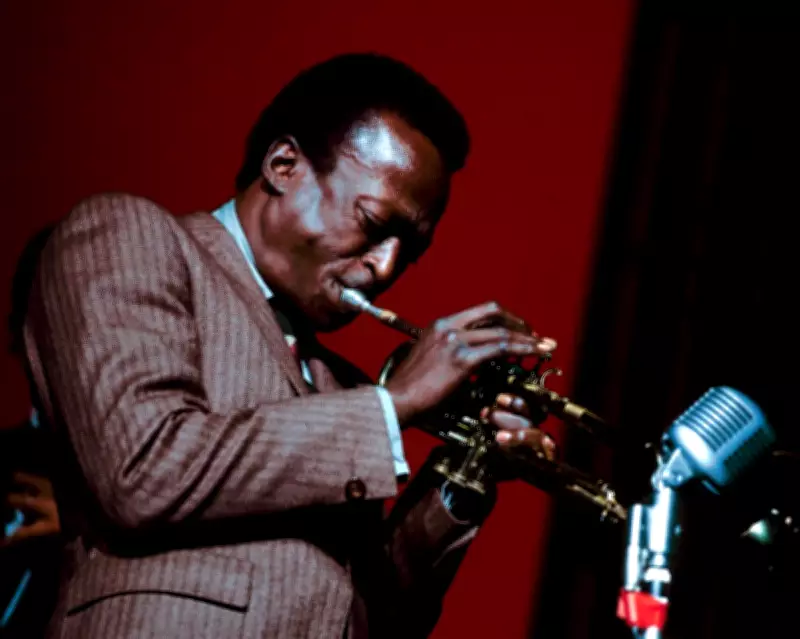
Miles Davis Centenary: Jazz Icons Celebrate a Pioneering Legacy
As 2026 approaches, marking the centenary of Miles Davis's birth, the jazz world reflects on the trumpeter's monumental impact. Davis, born in 1926, is revered as the architect of the bestselling jazz album of all time, 1959's Kind of Blue. His career spanned five decades, overseeing stylistic shifts from bebop to cool jazz, modal explorations, electronic fusion, and beyond. Known for his piercing tone and uncompromising artistry, Davis also nurtured emerging talent, launching careers for legends like Herbie Hancock, John Coltrane, and Wayne Shorter.
Sonny Rollins on Friendship and Musical Rigour
Sonny Rollins, now 95, recalls his early days with Davis in the 1950s. "We became very good friends," he says, noting Davis's move to uptown New York where they would discuss music for hours. Rollins highlights Davis's seriousness, emphasising that in his bands, "you better not make any mistakes!" He praises the composition Four for setting a trend in jazz with its tempo and structure, embodying the swagger Davis became known for. Rollins adds that Davis's influence persists, with young musicians today often echoing his style.
Terence Blanchard on Innovation and Fearlessness
Terence Blanchard describes Davis's unique approach to the trumpet, focusing on melody and phrasing over technical showmanship. "He didn't play the trumpet like a trumpet," Blanchard observes, noting Davis's ability to play the moment. He recalls a formative experience with the album Four & More, which stood out for its soft, vibrato-free ballads. Blanchard stresses that Davis never bowed to jazz history, instead pushing the genre forward. A memorable backstage encounter in Italy left Blanchard with Davis's raspy encouragement: "Keep doing what you're doing, motherfucker." Blanchard plans tribute concerts, aiming to honour Davis by embracing his own voice, just as Davis did.

John Scofield on Leadership and Musical Space
John Scofield, who joined Davis's band in the 1980s, reflects on his fierce leadership. Davis recorded every gig and would often call musicians the next day to discuss their playing, fostering a culture of growth. Scofield admires Davis's rhythmic precision and emphasis on leaving space in music, allowing it to breathe and evolve. "His music never feels old," Scofield notes, underscoring the timeless quality of Davis's work.
Melissa Aldana on Spiritual Sound and Collaboration
Melissa Aldana highlights So What as a genius composition built on two minor chords, challenging musicians with its possibilities. She praises Davis's ability to create space and silence in his sound, fostering telepathic collaboration in his bands. "You hear one note and you know it's Miles," Aldana says, attributing his sound to a spiritual connection. She emphasises the lack of ego in his music, with all players invested in a collective storytelling.
Jay Phelps on Technical Mastery and Artistic Evolution
Jay Phelps defends Davis's technical prowess, citing the 1951 live recording of Lady Bird as evidence. He compares Davis to Picasso, mastering fundamentals before charting a new path. Phelps notes Davis's use of the trumpet as a melodic songbird, inspiring players to explore deeper tones. Through transcribing Davis's work, Phelps appreciates his focus on melody and thoughtful pacing. Playing a fictionalised Davis in the stage show Miles. has given Phelps insight into his drive amid racial tensions, acknowledging that while Davis wasn't always kind, his music remains warm and human.
Bill Evans on Instinct and Legacy
Bill Evans, recommended to Davis by Dave Liebman, recalls Davis's personal approach to music, making it feel intimate. Davis taught him to trust instincts, advising: "Be yourself." Evans highlights Davis's charisma and unique sound, which set him apart from more technically proficient trumpeters. He notes that Davis assured him and others like Wayne Shorter of their lasting place in music.

Ambrose Akinmusire on Spectacle and Continuity
Ambrose Akinmusire views Davis as a producer or conductor, constantly reinventing himself and his bands. He loves Davis's 1980s leather-clad era, embracing electronics and hip-hop. Akinmusire draws parallels to artists like Joni Mitchell, valuing constant self-questioning. He points out that Davis's band members, such as Jack DeJohnette and Herbie Hancock, continue to mentor younger musicians, embodying Davis's legacy of evolution and mentorship.
Yazz Ahmed on Innovation and Education
Yazz Ahmed praises the album Live-Evil for its ahead-of-its-time editing, blending live and studio tracks. She notes its hip-hop influences predating the genre's popularity and Davis's use of effects like the wah-wah pedal. Ahmed emphasises Davis's spontaneous composition skills, with jazz students still revering Kind of Blue and memorising his solos.
Brandon Woody on Intensity and Intergenerational Impact
Brandon Woody, at 27, discusses the album Sorcerer and the synergy of Davis's second great quintet. He highlights the intensity in Davis's playing, rooted in intention rather than volume. Woody appreciates how Davis spanned genres and fostered intergenerational bands, keeping jazz relevant. Even in later years, as technique waned, Davis's sound and confidence remained unwavering.
As the centenary nears, these reflections underscore Miles Davis's enduring influence, from his innovative sound to his role as a mentor and leader. His legacy continues to inspire musicians across generations, ensuring his place in jazz history remains unchallenged.