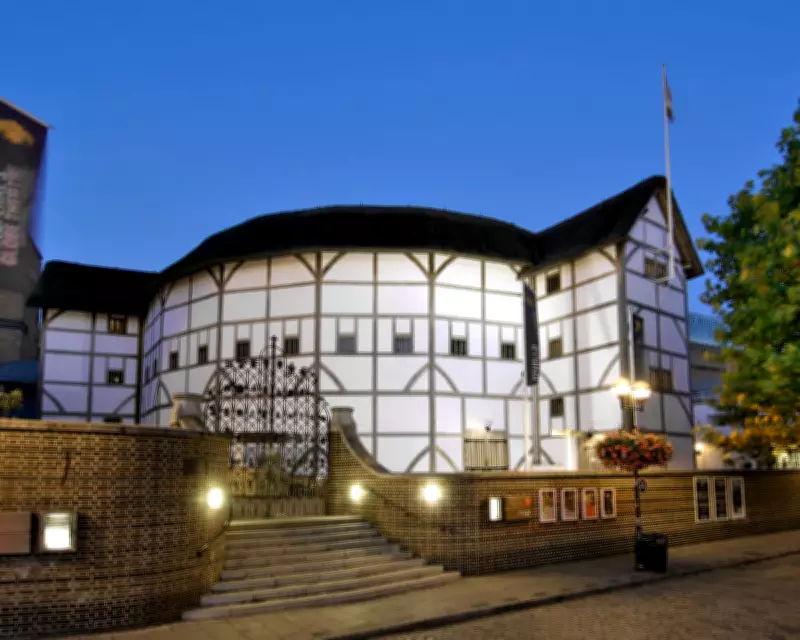
Shakespeare's Globe Announces Groundbreaking Environmental Playwriting Prize
In a bold move to address the climate crisis through artistic expression, Shakespeare's Globe has unveiled its inaugural climate playwriting prize for 2026. The prestigious theatre, renowned for its Elizabethan architecture and open-air performances, aims to harness the power of storytelling to foster a "restorative relationship with nature."
Connecting Bard's Legacy to Modern Environmental Concerns
Artistic Director Michelle Terry highlighted the profound connection between Shakespeare's works and the natural world, noting that nearly every play explores humanity's place within it. "He helped build a theatre made of 1,000 oak trees, open to the sun, the wind, and the rain, bobbing alongside the ebb and flow of the River Thames," Terry remarked. "He brought thousands of strangers together in this elemental imaginarium and he put his craft to work."
Terry emphasized that theatre remains a vital medium for uniting people and inspiring positive change. "Now is the time to remind ourselves of our human nature and remember the profound and positive contribution we can make on planet Earth. There is no better way to do that than through the stories we tell," she added.

Prize Details and Submission Guidelines
The winning playwright will receive a substantial £15,000 award, coupled with comprehensive development support. This includes:
- Rehearsal drafts with specialists at Shakespeare's Globe
- Collaboration with partner organisations Climate Spring and Fern Culture
- Industry exposure to leading theatre decision makers
Submissions open in June and close on 1 September, with winners announced in autumn 2024. Writers must submit un-produced, full-length stage plays in English that address the climate and nature crisis. The themes are interpreted broadly, encompassing environmental changes as well as social, political, and cultural responses.
National Partnerships and Workshop Initiatives
The prize has forged partnerships with theatres across the United Kingdom to host climate storytelling workshops. Participating venues include:
- Chichester Festival Theatre
- Exeter Northcott Theatre
- Leeds Playhouse
- Lyric Theatre Belfast
- Mercury Theatre Colchester
- New Earth Theatre
- Pentabus Theatre
- Tiata Tahodzi
Industry Perspectives on Climate Storytelling
Guy Jones, New Work Associate at Shakespeare's Globe, expressed hope that the prize would attract diverse writers. "We aim to attract plays from a huge diversity of writers, from those steeped in climate lore, to others who hadn't seen themselves as a climate playwright until now," Jones stated.
Amber Massie-Blomfield, Director of Fern Culture, emphasized the urgency of climate narratives. "We exist in a time of profound significance for all human history, as we transform the ways we live to ensure a flourishing future for life on our planet. We cannot do it without the storytellers," she said.
Josh Cockcroft, Director of Impact and Research at Climate Spring, highlighted theatre's transformative potential. "Theatre transforms us, it moves us beyond ourselves to create, for a moment, a community experiencing something wholly unique and metamorphic," Cockcroft noted. "In this moment of rupture, culture has a vital role to play."
This initiative represents a significant step in leveraging cultural institutions to address pressing environmental issues, continuing Shakespeare's legacy of exploring humanity's relationship with nature through compelling theatrical narratives.