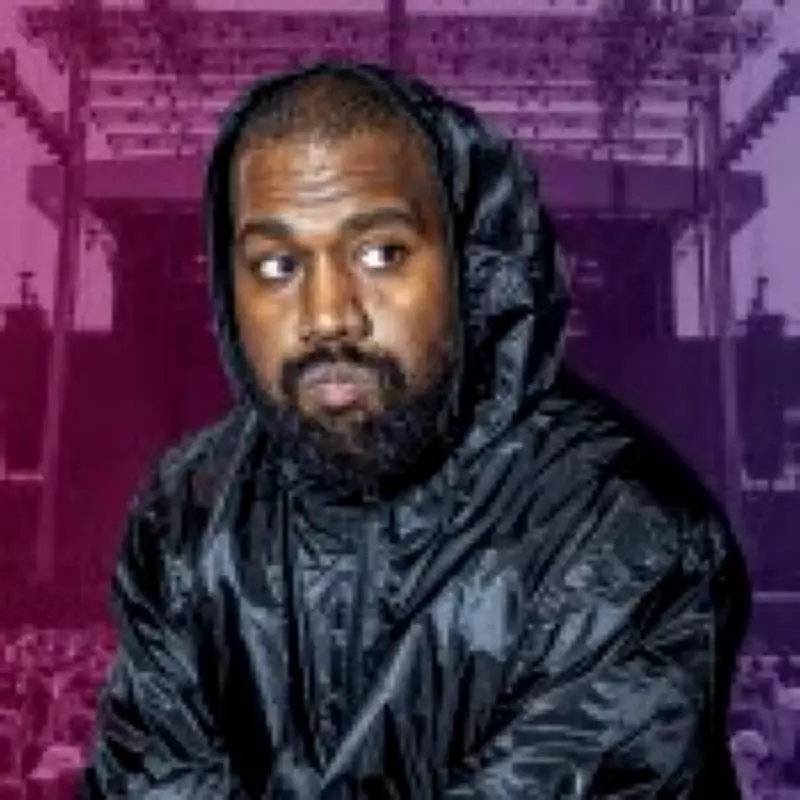
Wireless Festival's Future Hangs in the Balance Following Kanye West Controversy
The Wireless Festival in London has been plunged into crisis after its sudden cancellation, triggered by intense backlash over the booking of headliner Kanye West, also known as Ye. The festival's swift collapse saw all partners withdraw within days of the announcement, citing the rapper's history of antisemitism. Hours after ticket pre-sales opened, the Home Office denied Ye's visa, stating his presence would not be conducive to the public good. For a festival that reportedly paid £11 million for its three-day headliner, the survival of Wireless is now uncertain amid this escalating scandal.
A Costly Misjudgment in Headliner Selection
Olivia Bennett, Senior Digital PR Director at Go Up, told Metro that the festival's troubles began with the decision to book Ye, not the cancellation itself. "His views and past behaviour have been widely reported over the past few years, so it’s hard to argue that the reaction to his headline slot came as a surprise," she explained. "There’s pressure to create those big headline moments, but this is where it feels misjudged. Wireless is already an established festival with a strong audience; it didn’t need to lean on something this divisive to get attention."
Wireless has grown into one of London's premier annual festivals since its 2005 debut, featuring headliners like Kasabian and Keane at just £35 per ticket. It carved a niche in 2010 by focusing on rap and hip-hop, though it also includes rock and alternative music. Over its 20-year history, it has hosted major artists such as Rihanna, Cardi B, Stormzy, and Jay-Z, with Drake headlining all three nights last year. That bold move, defying the convention of booking multiple headliners for broader appeal, was seen as a display of confidence. However, repeating a similar high-stakes strategy with Ye has proven nearly fatal.

Broader Impacts on Artists and the Economy
"Cancelling the whole event off the back of one performer is where this becomes more complicated," Olivia continued. "It raises questions about how much was resting on that one booking, and whether there were enough alternatives or contingency plans in place." She highlighted the wider impact on smaller artists in the lineup, who may have relied on the festival's momentum. This scandal risks damaging relationships with future stars, potentially making it harder to fill slots in future editions if Wireless returns.
Typically attracting 50,000 attendees daily, Wireless provides a significant economic boost. After the 2022 show, an economic impact assessment commissioned by Festival Republic found the festival contributed £37 million to economic activity, with a £28 million benefit to the UK. About £5 million directly supported local businesses, from hotels to pubs, funds that are critically needed in the current climate. A source told the Daily Mail that if the festival goes dark in 2027, it could cost $30 million and potentially end Wireless altogether.
Reputational Damage and Crisis Management Failures
"This is one of the biggest mess-ups that [Live Nation] have made since Covid, and I am including the Ticketmaster disaster in that," an insider said. "They thought that they would get away with it and that everyone would roll over. That didn’t happen, which is why Kanye released a new apology, but it was too little too late." Ye has apologised twice, citing mania and a loss of touch with reality, but controversy has followed him throughout his career, from stage-crashing incidents to inflammatory statements.

Brand strategist James Kirkham noted, "Wireless put themselves in this position utterly without need. Whoever greenlit this headliner made a catastrophic misjudgement, and any credible recovery plan has to start with that acknowledgement being public and unambiguous." The decision is largely attributed to Melvin Benn, managing director of Festival Republic, whose public statements have further complicated the crisis. Reputation management consultant Paul MacKenzie-Cummins observed, "Benn has sought to take the moral high ground based on his own worldview. This is clearly backfiring. As a result, the festival is no longer perceived as a neutral stage – it is now being seen as an active endorser of Ye’s beliefs."
Path to Recovery and Long-Term Consequences
Crisis experts agree that Wireless must acknowledge the mistake, but Benn's prior defense of Ye makes backtracking difficult. James added, "Wireless have already failed the first step. Their statement leaned on the government travel ban as though that were the story, as though the outrage was about logistics rather than judgment. It wasn’t, people aren’t angry because Kanye can’t get on a plane. They’re angry because Wireless looked at everything this man has said and done and decided he was worth platforming in the centre of London." He urged organisers to own the scandal directly without softening language.
"Tone matters here," agreed Olivia, warning that an insincere apology could worsen the situation. "Ultimately, this is a reminder that line-ups aren’t just about who will sell tickets. They reflect what a brand stands for, and audiences are paying much closer attention to that now." For recovery, Wireless and Ye need to engage in visible action to ease anger by 2027. This scandal will likely be referenced for years, affecting future lineups and Ye's comeback attempts. The festival may require leadership changes to reassure the public that such missteps won't recur. It remains to be seen whether 20 years of star-studded history can withstand this catastrophic headliner choice.