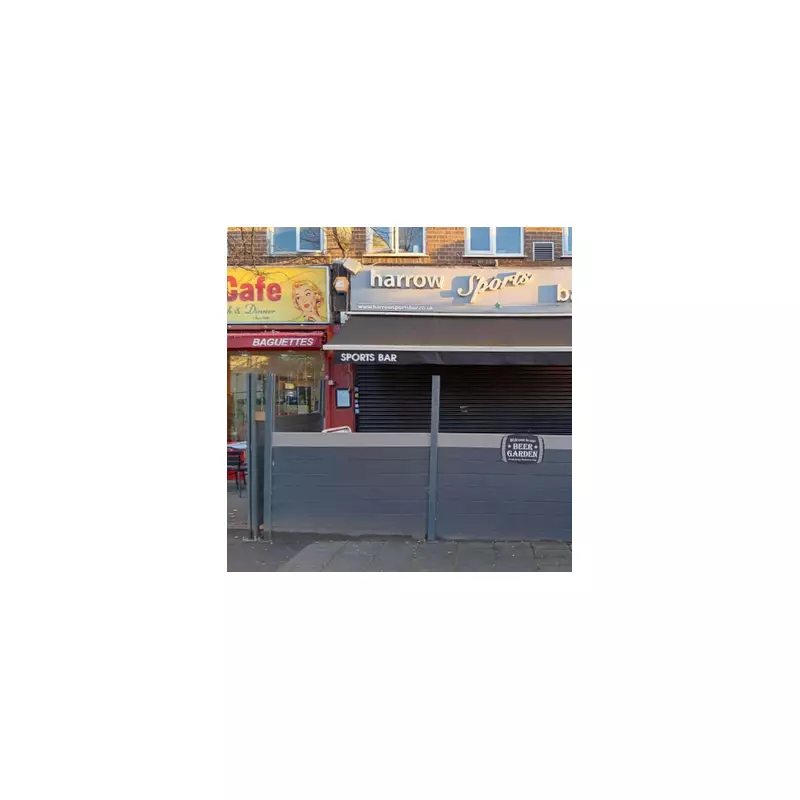
Harrow Council Rejects Sports Bar Licence Application After Applicant's No-Show
A controversial application to reopen a sports bar in South Harrow has been formally rejected by Harrow Council's Licensing Panel, following the applicant's failure to attend a crucial hearing. The decision came after the Metropolitan Police raised serious objections, alleging that the new applicant has close connections to the previous owners, who were reportedly involved in criminal enterprises.
Police Objections and Alleged Criminal Connections
The Metropolitan Police moved decisively to block the licence application submitted by Riley Sports Limited for the premises at Riley Sports Bar on Northolt Road. In detailed documents filed against the application, officers stated they "strongly believe" that the company director, 20-year-old Riley Gerard Boyd, is "closely linked" to the previous management of the now-closed establishment.
Police reports allege that the previous operators were involved in drug dealing, handling stolen goods, assaults, and unlicensed trading. The documents further claim that Mr Boyd admitted during a meeting on November 13 last year that his name and alcohol licence training certificate had been used by the previous management to "mislead the authorities" on multiple occasions.

Concerns About Applicant's Capability and Motives
Officers expressed additional concerns about whether Mr Boyd possesses the necessary experience and resources to operate the premises responsibly. The police noted that the 20-year-old applicant has no previous experience running a similar business, and that his proposed plan lacked proper health and safety checks, adequate resources, and clear operational dates.
The attending police officer told the panel they were "not surprised" by Mr Boyd's absence from the January 15 hearing, suggesting this pattern of behaviour reinforced their concerns. Officers believe Mr Boyd may be "being used" by the previous management as a front to regain the licence, reviving what they describe as problematic operations under new ownership.
Council's Attempts at Engagement and Final Decision
A Harrow Council Licensing Officer revealed that authorities had made repeated attempts to engage with Mr Boyd prior to the hearing. "We have been in touch with the applicant quite a bit," the officer stated. "We have tried to have four meetings with him, out of which he has only attended one. The applicant has been told several times by myself that the hearing is taking place today, so he has had all the opportunity and all the notification he needs to be here."
After waiting ten minutes for Mr Boyd's arrival, Panel Chair Councillor Ramji Kanji Chauhan determined it would be "pointless" to proceed with the evidence hearing without the applicant present to defend himself. Cllr Kanji Chauhan stated it would be "wrong" to continue in the applicant's absence, leading to the decision to "disallow" the application and "call it a day."
Broader Implications for Licensing and Community Safety
This case highlights the rigorous scrutiny applied to licence applications in London, particularly when police raise concerns about potential criminal connections. The decision underscores the importance of transparency and engagement in the licensing process, with authorities demonstrating little tolerance for applicants who fail to participate in required proceedings.
The rejection serves as a reminder that licensing panels consider not only the technical aspects of applications but also the character and associations of those seeking to operate licensed premises. When allegations of criminal links emerge, combined with poor engagement from applicants, councils appear increasingly willing to exercise their discretion to protect community safety and uphold licensing objectives.