London Club's Height Policy Sparks Outrage as 'Shallow' and 'Discriminatory'
A controversial London club night that exclusively admits men over 6ft tall has been branded "shallow" and "weird" by a 5ft 3in influencer, igniting a fierce debate about discrimination and societal beauty standards in the capital's nightlife scene.
'It's Weird to Make People Feel Less Than'
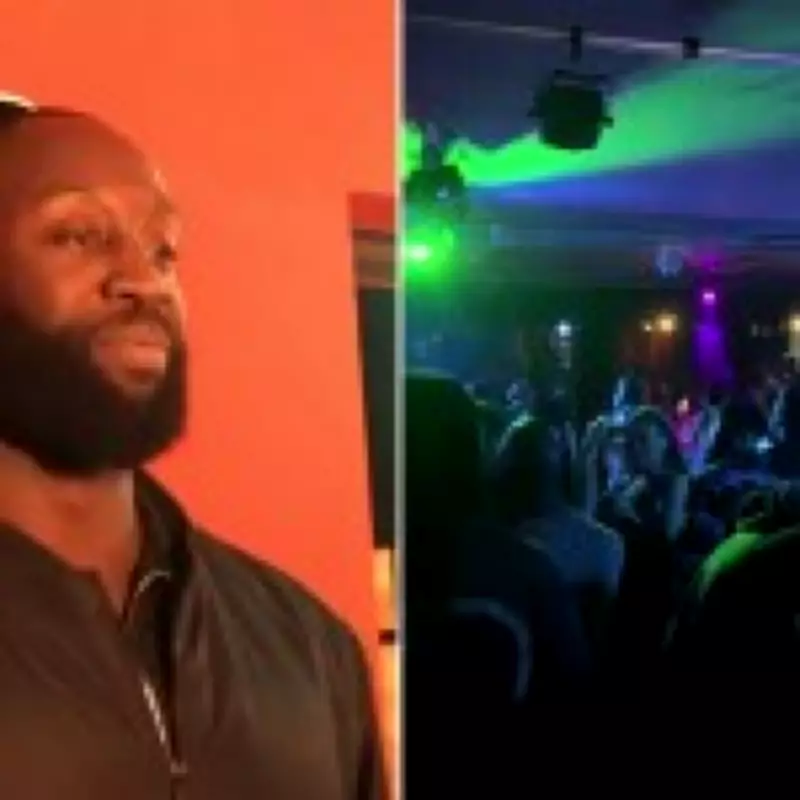
Michael Legrande, a self-proclaimed "short king" who stands at 5ft 3in, has voiced strong criticism against the Land of the Giants event. "It's weird to try to make individuals feel less than over things they can't control," Legrande told Metro. The engaged influencer, who shares fashion and fitness tips on his TikTok account @shortkinglifestyle, emphasized that dating as a shorter man is already "difficult" and that such events only exacerbate the problem.
The ticketed Land of the Giants party has appeared at various London nightclubs including YOYO and One Ninety Four, with founder LeGrand (no relation to Michael) implementing strict entry requirements. Men must measure at least 6ft at the door to gain admission, while women face no height restrictions. Footage from recent events shows shorter men being turned away, creating what critics describe as a humiliating public spectacle.

Psychological Impact and Double Standards
BACP registered psychotherapist Sumeet Grover explained the deep-seated psychological associations with height in society. "For men, tall has historically been seen as both better and superior," Grover noted. "As children, people in positions of power and authority often appear physically bigger than us, and this early experience can shape an association between size and strength, influence, or capability in adult life."
Grover emphasized the cruelty of public measurement at club entrances, stating that it "assumes that men have some special abilities to not feel the emotions of being judged, evaluated or shamed. In this scenario, men are reduced to a single physical attribute, rather than being recognised as people with real feelings and real insecurities."
Legrande highlighted the double standard at play, questioning whether similar policies based on weight would be socially acceptable. "I believe that everyone is entitled to their own preferences," he explained. "On the other hand, I find it difficult to believe it would have been socially acceptable to do the same with someone's weight. If the cards were reversed, where a group of individuals would judge whether or not another group of people can enter a club depending on their physical appearance or weight, I think there would be more outrage."
Public Reaction and Social Commentary
The event has generated significant backlash on social media, with some commenters dubbing organizer LeGrand a "height supremacist" and drawing comparisons to hypothetical scenarios where women might be weighed at club entrances or prohibited from wearing makeup. One person pointed out, "Now imagine one with a weighing scale at the entrance," highlighting the perceived hypocrisy of the policy.
Not all responses have been entirely serious, however. After being turned away from the club, 4ft 11in TikToker Denz stood outside the venue with a collection pot and a sign reading "Donate inches," injecting humor into the controversial situation. Yet the underlying criticism remains serious, with many questioning the ethics of such exclusionary practices in London's nightlife.
Superficiality in Nightlife Culture
At its core, Legrande believes Land of the Giants is designed to "spark outrage, create noise and get as much attention as possible." He added, "Do I think it's a great policy? No. Can I say I'm surprised this is coming from a nightclub? No. They're quite superficial — no offence to anyone who enjoys them, I used to go to them a lot — but they focus on superficial things that are trivial."
The event's description as a party "designed around height, presence, and status" has further fueled criticism that it promotes shallow values over genuine human connection. As the debate continues, the controversy highlights broader questions about discrimination, body image, and what constitutes acceptable criteria for social inclusion in London's diverse nightlife landscape.