The State of London's All-Night Venues
While New York famously bills itself as the city that never sleeps, London's nightlife has often been criticised for its tendency towards an early bedtime. However, dedicated night owls can still find places to party around the clock in the capital, as highlighted by a recent report from Metro newspaper.
A Significant Decline in 24-Hour Licenses
Back in 2010, the United Kingdom boasted approximately 1,000 venues operating with all-day, all-night licenses, with London accounting for 91 of these establishments. Today, that number has dwindled dramatically to a mere 58 venues holding 24-hour licenses across the city. This represents a substantial reduction of over 36% in just sixteen years.
Interestingly, 2024 marked a symbolic turning point when the number of 24-hour gyms in London officially surpassed the number of 24-hour bars and clubs for the first time. This shift underscores how the capital's late-night economy has been transforming, with fitness culture increasingly competing with traditional nightlife for all-night patronage.

The London Nightlife Taskforce's Action Plan
Fortunately, there may be hope on the horizon for London's after-dark scene. Mayor Sadiq Khan established an independent London Nightlife Taskforce in 2025, which has since developed a comprehensive action plan designed to rejuvenate the city's club culture.
The plan, unveiled in January 2026, includes multiple strategic initiatives:
- Improvements to night-time transport infrastructure
- Revised approaches to noise monitoring and management
- Creation of a Nightlife Future Fund to support venues
- Other measures aimed at fostering a more vibrant night-time economy
Current Hotspots and Geographic Variations
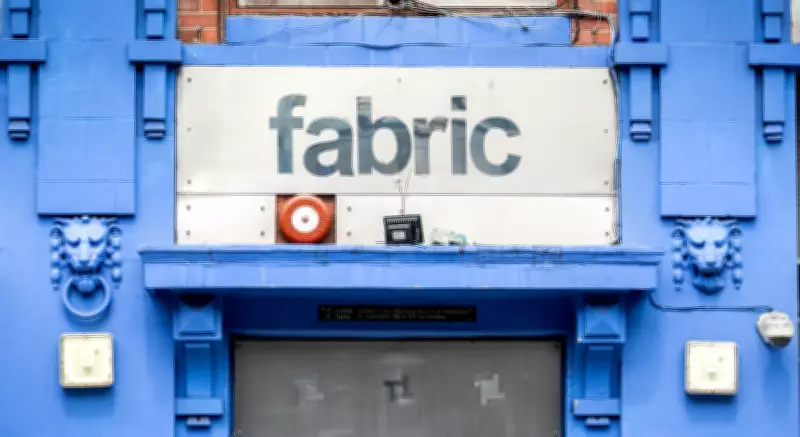
Certain London boroughs continue to serve as bastions of late-night activity. Iconic venues like Fabric in Islington and FOLD in Canning Town remain beloved destinations for dedicated club-goers. More recently, establishments including Brixton Storeys and Bow's Starlane Pizza Bar have secured new 24-hour licenses, suggesting potential for growth.
According to Metro's findings, Lambeth currently leads with over 30 pubs and bars operating under 24-hour licenses, while Islington follows with 10 licensed venues. These include popular spots like Fabric and the retro gaming bar NQ64.
However, the picture varies significantly across different parts of London. Greenwich reports 17 venues with 24-hour licenses, but only one – The Mitre – operates independently of the massive O2 entertainment complex. Similarly, boroughs like Redbridge and Westminster list several 24-hour locations that, upon closer inspection, include no traditional bars or clubs among them.
The Future of London's Night-Time Economy
The decline in 24-hour venues reflects broader challenges facing London's nightlife, including rising operational costs, changing consumer habits, and regulatory pressures. Yet the establishment of the Nightlife Taskforce signals official recognition of the cultural and economic importance of after-hours entertainment.
As London continues to evolve as a global city, the balance between residential needs and vibrant nightlife remains a complex policy challenge. The success of the new action plan could determine whether London develops a more continental approach to night-time culture or continues its current trajectory toward earlier closing times.