In an unexpected turn of events just before Christmas, I had an eye-opening experience that left me pondering societal norms. It occurred during a gathering with old friends, all of whom are dentists, though that detail is merely incidental. What matters is that the group consisted entirely of men, a fact that becomes crucial to the story.
A Bustling Pub Scene and a Surprising Discovery
We were at a pub-restaurant that was thriving with activity, enjoying a leisurely afternoon filled with good food, drinks, and surprisingly engaging tales about teeth. As the hours passed, nature called, and I noticed that those who visited the gents' toilet seemed to take an unusually long time. Initially, I didn't give it much thought, but when my turn arrived, the reason became starkly clear.
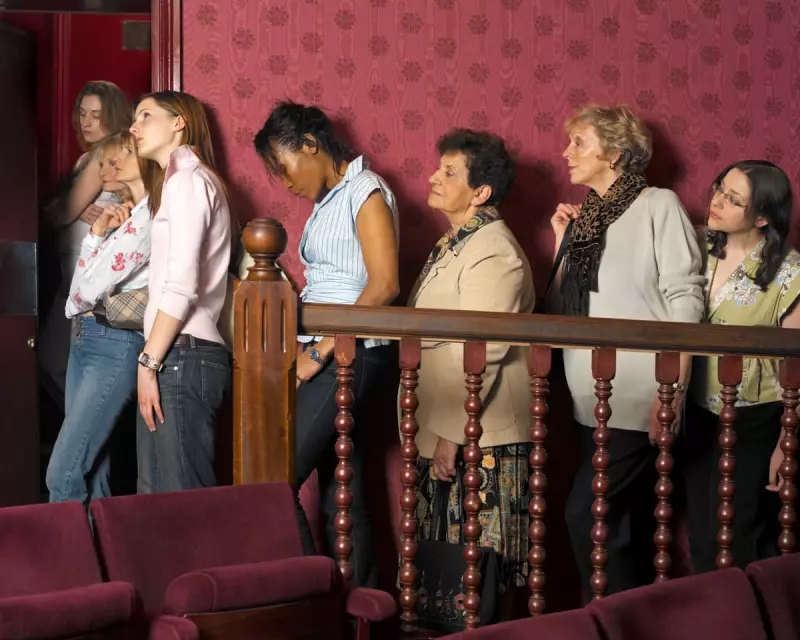
Upon turning the corner, I was met with a sight unfamiliar to most men: a lengthy queue for the gentlemen's toilet. Meanwhile, the women's facility had no queue at all. This was a fresh hell, as we in the line struggled to comprehend this topsy-turvy scenario. For context, I want to emphasise that I neither seek nor expect sympathy from women here. I am well aware that queuing for public toilets is a routine part of life for many women, a norm I've often observed without fully appreciating its impact.

The Inconvenience and Humiliation of Waiting
Beyond the mere inconvenience of waiting to use a convenience, there's an undeniable whiff of humiliation in standing there, forced to endure something that men typically avoid. It was a bracing experience to get a firsthand taste of this, watching women breeze through their door while my fellow men and I stood solemnly in line, fidgeting with pockets and consulting our phones in awkward silence.
This situation highlights a whole conversational genre – toilet queue chitchat – that men have little experience with. Women, I imagine, have honed skills in exchanging pleasantries or observations during such waits. However, after consulting some women I know, the consensus suggests that communication in these queues is often limited to an occasional eye roll or a frustrated declaration like, "Fuck this, I'm going to use the men's." A colleague mentioned that real conversation tends to break out only at the washbasins afterward.
Reflections on Gender Parity and Social Justice
If I were a woman, I doubt I'd waste time on pleasantries or silence in such situations. Repeatedly forced to stand in public lines merely for a basic bodily function, I'd likely vent my spleen at the sheer injustice. A useful metric for any civilised society, I believe, would be gender parity in waiting times for such necessities. I'm even considering seeking out research on this topic to better understand the broader implications.
Back in the queue, I attempted to spark some brotherly banter about our novel predicament. I tutted, rolled my eyes, and remarked, "Well, this makes an unpleasant change, doesn't it lads?" The responses were mixed: one person smiled, another looked blank, a third seemed sheepish, and one shook his head as if this were another sign of broken Britain or woke madness. Otherwise, silence prevailed as we shuffled forward with each departure.
A Moment of Awkward Recognition
As more men joined the back of the queue, I sighed in resignation. Then, a woman emerged from the adjacent facility, looking fragrant and relaxed. It was all right for some, I thought, grinning bashfully in an attempt to acknowledge this reversed reality. She didn't say anything, but in my mind, I imagined her retort: "Don't look to me for solidarity, you bastard. Come back when you've done this another hundred times, and then I might give you the time of day." Honestly, I wouldn't blame her for thinking that.
This experience served as a sobering reminder of the everyday challenges women face, offering a glimpse into a world where such inconveniences are routine. It's a small but poignant example of how gender norms play out in public spaces, prompting deeper reflection on equality and empathy in our daily lives.