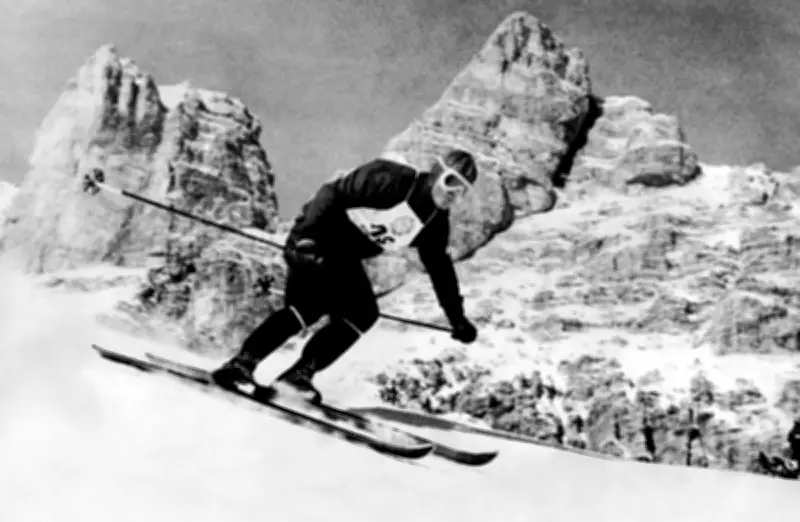
Seventy years have passed since Italy first welcomed the world to the Winter Olympic stage. The 1956 Games in Cortina d'Ampezzo marked a pivotal moment in sporting history, blending athletic excellence with post-war optimism in the stunning Dolomite landscape.
Opening Ceremony Drama and Sporting Triumphs
The Games commenced with both spectacle and unexpected drama. During the opening ceremony, Italian speed skating champion Guido Caroli experienced a memorable stumble while carrying the Olympic torch, a moment forever etched in Olympic folklore. Yet this mishap did little to dampen the spirit of competition that followed.
Alpine Dominance and Historic Firsts
On the slopes, certain athletes established legendary status. Austrian skier Toni Sailer emerged as the undisputed star of Cortina, securing three gold medals across alpine disciplines. His commanding performances set a standard that would inspire generations of winter athletes.

Switzerland's Madeleine Berthod delivered one of the most dominant displays in Olympic history, claiming gold in the women's downhill with a staggering five-second margin over her nearest competitor. Her victory celebration, captured in archival photographs, shows her being triumphantly hoisted by teammates.
Meanwhile, Lyubov Kozyreva of the Soviet Union secured her nation's first-ever Winter Olympics gold medal in the women's 10km cross-country skiing event, marking a significant milestone in sporting geopolitics.
British Participation and International Competition
Great Britain's bobsleigh teams provided memorable moments, with Stuart Parkinson and Christopher Williams famously greeting passengers in a Bentley on the eve of competition. Their teammates Clifford Schellenberg and John Rainforth were captured perfecting their push-start technique, demonstrating the dedication behind Olympic participation.
The ice hockey tournament saw Canada deliver a commanding 10-0 victory over Germany, while Finland's Antti Hyvärinen claimed gold in the ski jump competition that concluded the Games.
Behind the Scenes and Cultural Moments
Beyond the competition, the Cortina Games offered glimpses into the era's unique atmosphere. Hotel chefs peered from kitchen windows to catch glimpses of festivities, while technicians carefully prepared competition surfaces, pouring lukewarm water on the speed-skating rink at Lake Misurina to create perfect ice.
The event attracted international attention beyond sporting circles, with screen icon Sophia Loren photographed observing a friend's snow bath amidst the glamorous social scene that developed around the Games.
Technical Preparations and Venue Details
Organisers transformed the mountainous landscape into world-class sporting facilities. The neighbouring village of Zuel hosted the ski jump competition, while craftsmen meticulously maintained equipment in workshops, sharpening bobsleigh blades to ensure optimal performance.
Figure skating couples gracefully competed on prepared ice, their elegant movements contrasting with the raw power displayed in alpine events. Spectators flocked to final events, creating an electric atmosphere that captured the growing global interest in winter sports.
Legacy of the 1956 Winter Olympics
These archival images preserve not just athletic achievements but the cultural moment when Italy established itself as a winter sports destination. The Cortina Games demonstrated how mountain communities could successfully host global sporting events while showcasing regional beauty and hospitality.
From Bruno Burrini representing home hopes on the Italian slopes to the precise organisation that made competition possible, every photograph tells a story of dedication, national pride, and sporting excellence. As we approach the 70th anniversary of these historic Games, they remain a testament to winter sports' enduring appeal and Italy's lasting contribution to Olympic history.