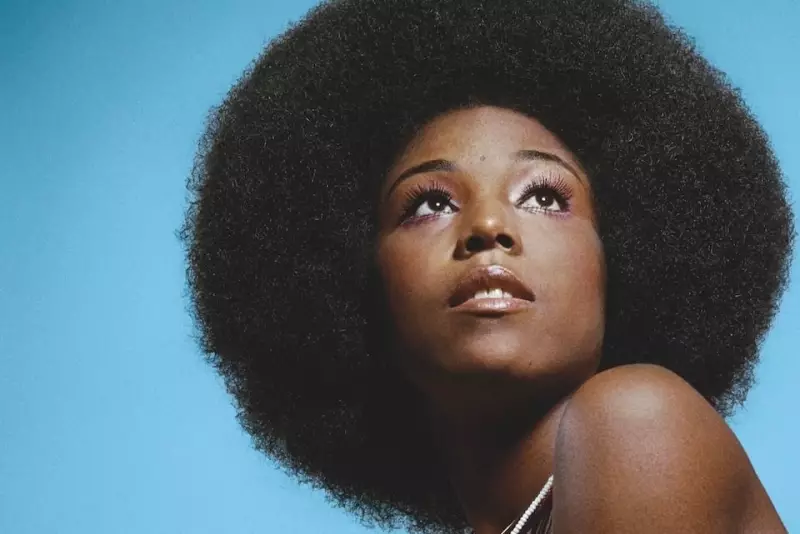
A powerful new documentary celebrating the life and legacy of visionary photographer Kwame Brathwaite has premiered at this year's BFI London Film Festival, bringing his revolutionary story to a new generation.
The Man Behind the Movement
Black is Beautiful: The Kwame Brathwaite Story explores the extraordinary seven-decade career of the photographer, freedom fighter and community organiser who helped ignite the global "Black is Beautiful" movement. Through his striking portraits of the Grandassa Models, including his wife Sikolo, Brathwaite created defining images that empowered Harlem's Black community to reclaim beauty standards on their own terms.
The film, which premiered in November 2025, weaves together personal narratives, archival material and contemporary reflections to paint a comprehensive portrait of an artist whose cultural impact remained largely unrecognised during his lifetime. Brathwaite passed away in 2023, leaving behind a legacy that continues to influence how Black beauty and identity are perceived today.

Filmmakers' Mission to Honour a Legacy
Director Yemi Bamiro and producer Joanna Boateng spoke exclusively about their determination to ensure Brathwaite finally receives the recognition he deserved. "He was criminally underappreciated in his life while he was with us," Bamiro revealed with evident reverence.
Bamiro emphasised their crucial objective: "It was really important that this film gave him his flowers and connected the dots between the foundations he laid and the contemporary work that exists today."
The filmmakers developed close relationships with Brathwaite's family, particularly his son Kwame Jr., throughout the production process. Bamiro explained their respectful approach: "They were giving us the licence to tell this story, but he wasn't our father. It wasn't just about access, it was about respect."
Preserving Living History
Producer Joanna Boateng described the painstaking work involved in handling Brathwaite's extensive archive, including lengthy sessions examining negatives and careful negotiations with his family about how best to contextualise his work.
The decision to create a documentary rather than a narrative feature was deliberate from the outset. Boateng explained the urgency: "There was so much information. Time was of the essence. These were really important stories that had the potential to slip out of living memory, so it was vital we spoke to everyone as soon as possible."
Both filmmakers experienced profound moments when the emotional weight of their project became clear. Boateng recalled her first conversation with the Grandassa Models, the women who embodied Brathwaite's vision of Black beauty in the 1960s: "It felt like history opening itself to us."
For Bamiro, the turning point came during interviews with Brathwaite's wife, Sikolo. "There were things in there we didn't know," he explained. "It's a love story, partly between Kwame and Sikolo. That was when I thought, this is what the film is."
A Celebration of Black Joy and Resilience
The documentary marks a significant departure from Bamiro's previous work, Astroworld: Concert from Hell, which examined collective tragedy. "With Kwame, we had time to explore his life in depth, with intricacy and detail," Bamiro noted. "This one was about one man's legacy and love."
For Boateng, the film's essence lies in the powerful meaning behind its title. She articulated: "Black is Beautiful, to me, is an acknowledgement that Blackness is about joy. There's beauty and creativity in Blackness. It's deep and complex, not just about trauma."
Through its tender and truthful approach, Black is Beautiful: The Kwame Brathwaite Story reclaims the narrative of an artist who fundamentally changed how the world perceives Black beauty. The film serves not only as a tribute but as a vital reminder that history's overlooked heroes continue to shape how we see ourselves today.

Brathwaite's message resonates with particular urgency in our contemporary world, demonstrating that celebrating difference remains as crucial now as it was six decades ago. The documentary stands as both remembrance and renewal—a cinematic love letter to Black artistry, resilience and joy that ensures Brathwaite's visionary work will inspire generations to come.