The Last Man of Dobrușa: A Photographic Tribute to Solitude and Resilience
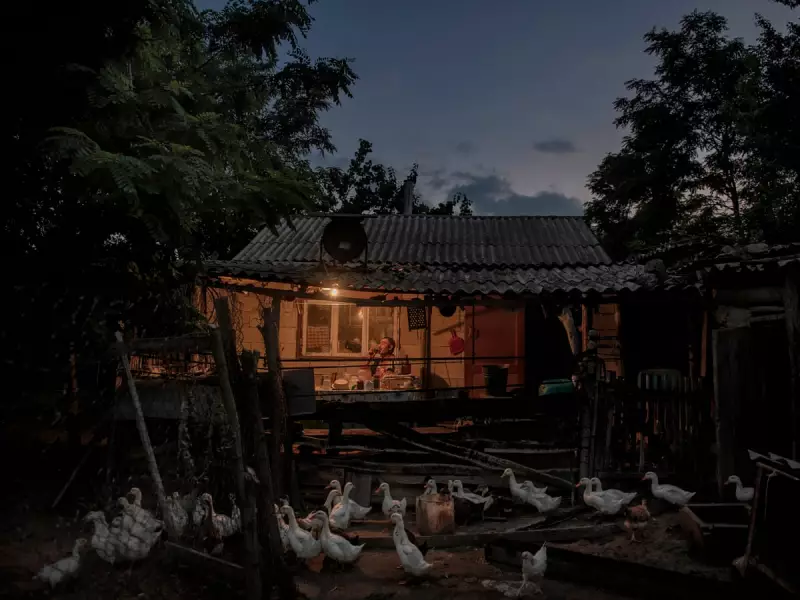
In the heart of rural Moldova lies a village that has quietly faded from existence. Dobrușa, once home to 200 residents, now stands as a haunting testament to rural depopulation. When photographer Laetitia Vançon visited in July 2019, she found only one man remaining: 65-year-old Grisa Muntean, living alone with his 120 ducks and a menagerie of other animals.
A Village's Tragic Decline
The story of Dobrușa mirrors that of many settlements across Moldova following the collapse of the Soviet Union in 1991. By the time Grisa moved there in 2000 to start a sheep farm, the population had dwindled to 70. The decline accelerated tragically when, just months before Vançon's visit, the only other remaining residents—a couple in their 40s—were murdered by a farmer from a neighbouring village. Their beaten bodies were discovered half-naked on the ground, casting a dark shadow over the already desolate community.
This violent incident left Grisa feeling unsafe in his solitary existence. He confided to Vançon that he was considering moving to a larger village, yet he remained, tending to the life he had built amidst the emptiness.

A Day in the Life of Moldova's Sole Resident
Vançon arrived at sunrise to document Grisa's daily routine, which began at 4am. He greeted her with a cup of coffee, then presented a glass of wine—his own morning ritual. His days were filled with the rhythms of rural self-sufficiency: tending to his turkeys, geese, chickens, pigeons, and bees; harvesting vegetables from his garden; collecting honey to sell at local markets; and preparing simple meals for himself.
"He lived a very simple life," Vançon observes, noting how Grisa showed her photographs from his time as a soldier in the Soviet army—a stark contrast to his current existence.
The Philosophy Behind the Lens
For Vançon, photography serves as a bridge between disparate worlds. "I see photography as a way to connect people, despite their differences in culture, upbringing or social class," she explains. Her work focuses on intimate, universal moments—a mother waking her child, a silent couple's walk, a family dinner—that reveal extraordinary aspects of our shared humanity.
This approach will be showcased in her upcoming solo exhibition, Tribute to Odesa, at London's Oxo Gallery from 11-18 February. The exhibition features work from her assignments in Ukraine, offering an unseen perspective on the conflict.
Finding Joy in Solitude
Despite the loneliness that Grisa admitted "kills you slowly," he discovered profound joy in his solitude. He cherished reading books, welcomed visiting friends, and took pleasure in walking his land and spending time with his animals. "He called it a little heaven," Vançon recalls, highlighting the beauty he found in a life lived with almost no income.
The photograph was taken at sundown, capturing that reflective moment when one pauses to appreciate their achievements. "Grisa's little heaven was revealed in that moment," Vançon reflects, suggesting that such feelings of contentment are universal, whether at day's end or year's close.
This image stands as a tribute not just to one man's resilience, but to the magical, vanishing worlds that persist against all odds.