Viva Gibb's Photographic Exhibition Captures Melbourne's 1970s-80s Suburban Life
Documentary photographer Viva Gibb has created an enduring visual record of the everyday lives of residents in Melbourne's inner suburbs during a transformative period. Her work, which focuses on the neighborhoods of north and west Melbourne where she lived, is now the subject of a significant free exhibition at the City Gallery.
Intimate Portraits of Community Life
The exhibition, titled On the street where I live: Viva Gibb's portrait of North and West Melbourne, features photographs taken between the mid-1970s and late 1980s. Gibb's camera captured shopkeepers, residents, and community members going about their daily routines, creating what amounts to a social history of these areas during a specific era.
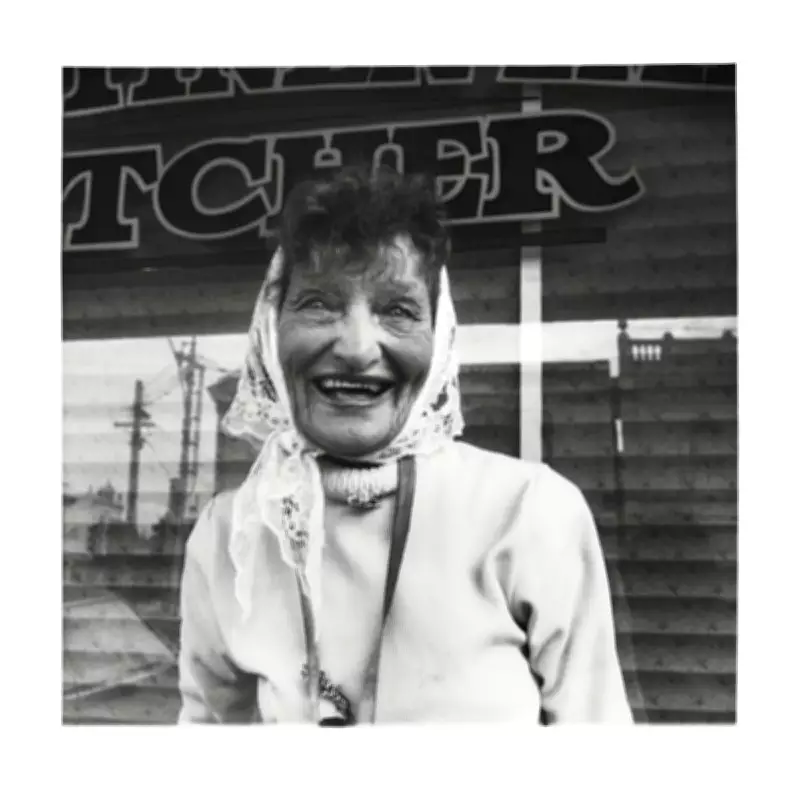
Among the notable portraits are images of a lolly seller on Victoria Street from 1985, Billy Flowers at 44 Hawke Street in 1981, and Frank the barber on Errol Street from 1980. The collection includes photographs of people like Jimmy at the wholesale flower shop, Dorothy at George Joseph's gun shop, and Maureen at age 90 in her Hawke Street home.

A Time Capsule of Melbourne's Suburbs
Gibb's work provides viewers with a window into a Melbourne that has since undergone significant change. The photographs document not just individuals but the businesses and streetscapes that defined these communities. Images of the Centenary Bakery owner from 1978, Giuseppe Lanteri at Don Camillo Cafe in 1981, and a butcher on Errol Street from 1980 all contribute to this comprehensive portrait of suburban life.
The exhibition also includes more poignant moments, such as Willie at the Hawke Street squat in 1985 and Elsie at 55 Stanley Street in 1982, whose portrait carries the caption "It is the price of life." These images collectively tell stories of resilience, community, and the passage of time.
Exhibition Details and Significance
The free exhibition will remain open at the City Gallery until August 7, offering visitors an opportunity to engage with this important photographic documentation. Gibb's approach represents a particular style of documentary photography that values ordinary subjects and everyday moments, creating what amounts to a visual anthropology of these Melbourne suburbs during a specific historical period.
What makes this collection particularly valuable is its focus on people who might otherwise have been overlooked by historical records. From Jean collecting bottles outside 8 Hawke Street to Colin Cheng outside his Capel Street home, Gibb's lens captured the diversity and character of these communities with both respect and artistic sensitivity.