

A Grain of Sand: Gaza's Children Brought to Life on London Stage
In the heart of Dalston, the Arcola Theatre is currently hosting one of the most politically charged and emotionally resonant productions of the season. A Grain of Sand, produced by the acclaimed Good Chance Theatre, delivers a poignant monologue that centres on the dead and displaced children of Gaza, creating a theatrical experience that is both evocative and deeply moving.
The Power of Political Theatre
Good Chance Theatre has built a formidable reputation for creating refugee-centric works, including The Jungle and Kyoto, alongside their globe-trotting puppet project The Walk. Their latest offering continues this tradition of socially engaged performance. A Grain of Sand is a one-woman show crafted by writer-director Elias Matar from real-world testimonials collected in the booklet A Million Kites. The title itself reflects the individual stories within the vast tragedy – each testimony representing "a grain of sand in an endless sea" of suffering.
Renad's Story: Childhood Amid Conflict
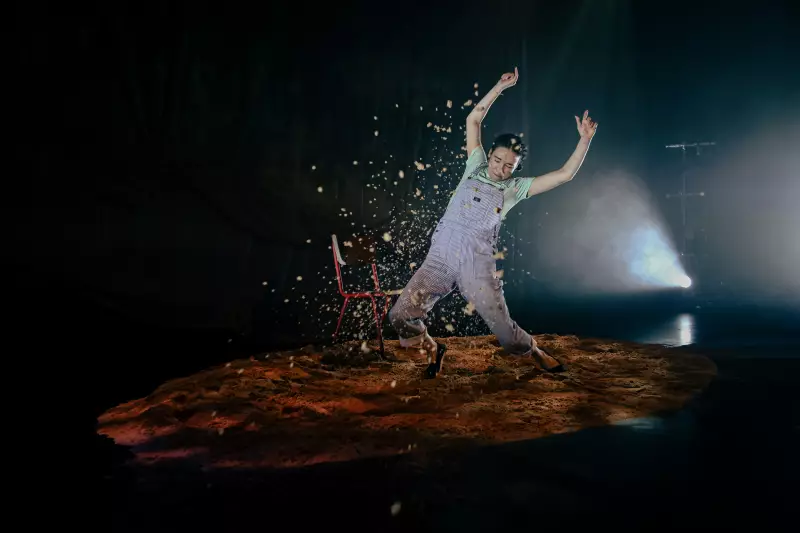
Performed with remarkable sensitivity by Sarah Agha, the production focuses on Renad, an eleven-year-old Palestinian girl living in Gaza with her family. Dressed in dungarees and a pink t-shirt with her hair in braids, Renad dreams of becoming a storyteller, directly addressing the audience as she shares the oral traditions and folk tales passed down from her grandmother.

Through Renad's eyes, audiences gain insight into Palestinian resilience and the enduring power of hope despite unimaginable horrors. The narrative incorporates the mythological bird Anqa – a creature akin to a phoenix that Renad dreams might one day rescue her. In a particularly striking visual moment, Renad's shadow is projected onto a draped curtain with wings, bringing her hopes to vivid life even as her circumstances threaten to extinguish them.
Performance Nuances and Production Elements
Portraying a young child presents significant challenges for an adult actor, requiring a delicate balance between conveying innocence without slipping into immaturity. Agha approaches Renad with a quality reminiscent of a children's presenter rather than attempting literal childlike imitation. While this occasionally feels slightly exaggerated, the character finds its most authentic grounding in moments of pre-teen petulance – such as when Renad visits a hospitalized classmate and complains about how the girl always copied her sandwiches at school.
Natalie Pryce's set design features a mound of sand that forms the stage from which Renad commands her audience. The production's most visceral moments occur when Agha removes her shoes and plunges her feet into this sand. For British audiences accustomed to associating sand with seaside holidays, the performance powerfully recontextualises this material as something that "stops feeling like a novelty when it's all you know."
Confronting Harsh Realities
The production gains considerable momentum as it shifts from folk tales to explicit locations and events familiar from news reports. Renad is pulled from her stories and forced to confront reality, first taking shelter in Al-Shifa Hospital – Gaza's largest medical establishment, which was raided by Israeli forces – before moving to the Rafah refugee camp.
These sequences of unrelenting horror are intensified by Nick Powell's swirling soundscape and Dan Light's sparkling video design, capturing the terror of bombs falling and fires raining down. Throughout the piece, testimonials from Gaza's children are scattered like aid parcels falling from the sky, taking poetic forms that echo universal sentiments: "I want my parents. I miss my friends. When will we be able to go home? Why us?"
Devastating Conclusions and Political Purpose
The most heartbreaking moment arrives with Renad's soft realisation that Anqa isn't coming to rescue her. "Nobody is coming for me," she states simply. This moment underscores the crucial power of explicitly political theatre: even when imperfectly executed, it compels audiences to feel deeply and motivates them toward action.

In the production's final moments, the names of Palestinian children killed in the conflict are projected on screen alongside their ages. Renad watches silently with the audience as hundreds of names appear – many listed as "0 years old." This powerful, confronting moment of stillness challenges anyone to remain unmoved by the scale of loss.
While those who buy tickets for A Grain of Sand are likely already empathetic to the plight of Gaza's children, the production serves as a vital reminder amidst competing news cycles. When death tolls become statistics, it is human stories like Renad's that remind us why the people of Palestine need continued advocacy and support.
Practical Information
Venue: Arcola Theatre, 24 Ashwin St, London E8 3DL
Transport: Dalston Kingsland or Dalston Junction Overground
Price: £12-£39
Running Time: 1 hour
Dates: 24-31 January 2026 with multiple performances including matinees at 15:00 and evening shows at 19:30





