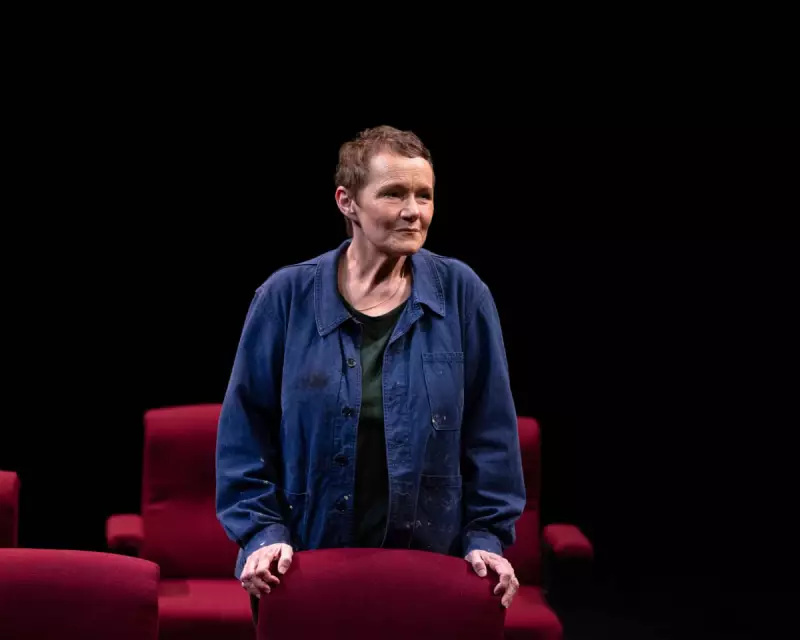
Theatre adaptations of profound literary works walk a delicate tightrope, and Benjamin Law's staging of Cory Taylor's celebrated memoir Dying: A Memoir has unfortunately lost its balance. The production, currently showing in London, transforms Taylor's beautifully raw meditation on mortality into a theatrical experience that feels curiously detached from its powerful subject matter.
A Literary Gem Loses Its Lustre
Cory Taylor's 2016 memoir was widely acclaimed for its unflinching yet graceful confrontation with terminal illness. Written as she was dying from melanoma-related brain cancer, the book became a touchstone for conversations about death and dying, remarkable for its clarity, wisdom, and absence of self-pity.
Benjamin Law, tasked with adapting this intimate work for the stage, has created a production that The Guardian's reviewer found fundamentally unsatisfying. Despite the inherent drama of its subject, the adaptation fails to generate the emotional resonance one might expect from material dealing with life's ultimate transition.

Where The Production Stumbles
The staging appears to struggle with translating Taylor's interior monologue into compelling theatre. Rather than drawing audiences into the profound personal journey, the production maintains an emotional distance that prevents genuine connection with Taylor's experience.
Key issues highlighted include:
- An inability to capture the book's delicate balance between intellectual reflection and raw emotion
- A production style that feels at odds with the memoir's intimate nature
- Missed opportunities to explore the richer philosophical dimensions of Taylor's writing
- A failure to translate the author's distinctive voice into theatrical language
Between Intellectualism and Emotion
Taylor's memoir succeeded precisely because it navigated the space between cerebral contemplation of death and the visceral reality of living with terminal illness. The stage version, according to critics, leans too heavily toward intellectual presentation without delivering the emotional payoff that made the book so moving.
This represents a significant missed opportunity, given the growing cultural conversation around death positivity and honest discussions about end-of-life experiences. A successful adaptation could have contributed meaningfully to this dialogue, but this production falls short of that potential.
A Theatrical Opportunity Missed
For audiences familiar with Taylor's work, the adaptation may prove particularly disappointing. Those encountering her story for the first time might leave with little sense of why the memoir resonated so deeply with readers worldwide.
In the end, this staging of Dying: A Memoir serves as a reminder that some literary works, despite their thematic richness, resist straightforward theatrical translation. The production demonstrates how difficult it can be to capture on stage the quiet profundity that exists so powerfully on the page.