Black Theatre's Australian Renaissance: From Fringes to Main Stages
In a remarkable cultural shift over the past five years, African diaspora theatre has moved decisively from the margins to occupy centre stage in Australia's performing arts scene. This transformation has been propelled by visionary artists determined to showcase black talent and create authentic spaces for diverse storytelling.
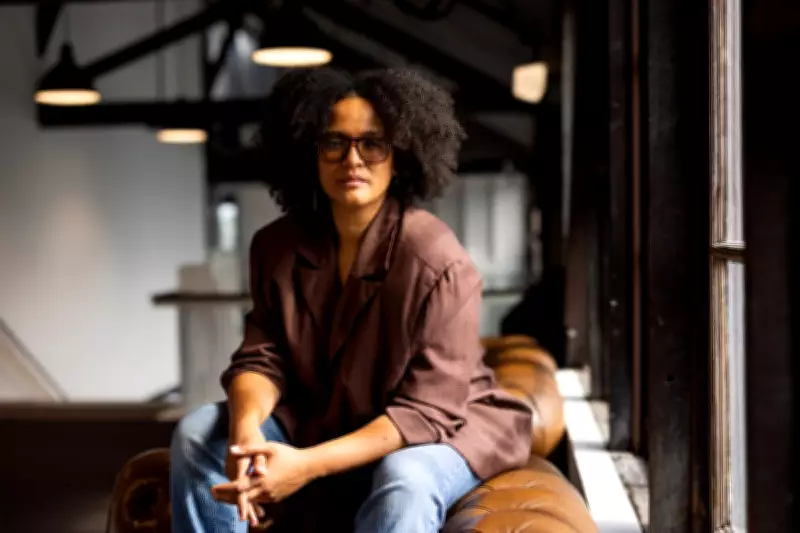
Zindzi Okenyo's Pioneering Journey
Zindzi Okenyo stands at the forefront of this movement, transitioning from actor to director to create opportunities that eluded her during two decades on stage. When she takes the Sydney Theatre Company stage in June for John Patrick Shanley's Tony award-winning play Doubt, it will mark only her fourth main-stage role portraying a black woman in her entire career.
"I'm really excited about it, I haven't had a black role for so long," Okenyo reveals, highlighting the scarcity of such opportunities that has characterised much of Australia's theatre landscape.

Born in Adelaide to a white mother and Kenyan father, Okenyo has frequently found herself as "the only brown person" in predominantly white creative spaces. This experience has fuelled her determination to build different realities for emerging black performers.
Creating Dream Spaces for Black Artists
Currently directing Branden Jacobs-Jenkins' Pulitzer and Tony award-winning family drama Purpose at Sydney Theatre Company, Okenyo has assembled an entirely black cast for what she describes as a true ensemble piece.
"Everybody has their powerhouse moment," she explains. "I wanted the Australian industry to see the multitude of skill and presence and artistry from black artists."
The play revolves around a "Famous Black" family gathering where secrets surface and tensions ignite, providing rich material for performers while challenging traditional Australian theatre narratives.
The Turning Point: Seven Methods of Killing Kylie Jenner
The watershed moment arrived in 2021 when Okenyo co-directed British playwright Jasmine Lee-Jones's anarchic comedy seven methods of killing kylie jenner with Shari Sebbens. Staged in a small Sydney theatre with a women-of-colour creative team, the production achieved extraordinary success.
The season sold out completely, attracted celebrity attention including Taika Waititi and the Thor cast, and was subsequently remounted in Sydney, Brisbane, and Melbourne over following years. More significantly, it cultivated an electric atmosphere among predominantly young Bipoc audiences.
"It just was, like, loose," Okenyo recalls of the production's unique energy.
A Fundamental Shift in Perspective
Okenyo identifies a crucial distinction between this new wave of African diaspora theatre and previous efforts: "We didn't make it for a white audience. We were like, we're gonna just make this for us, for our community. And everybody's welcome."
This community-focused approach, combined with a confluence of global events including the COVID-19 pandemic and Black Lives Matter movement, created perfect conditions for transformation. As Australia grappled with its colonial history, major theatre companies began programming works by African diaspora playwrights like Lynn Nottage, Suzan-Lori Parks, and August Wilson.
Building Sustainable Momentum
The movement has gained remarkable momentum. Within two years of her directorial debut, Okenyo was co-directing Aleshea Harris's explosive tragedy Is God Is for both Melbourne Theatre Company and Sydney Theatre Company. She has maintained this pace, directing a main-stage production every year since.
Smaller venues have simultaneously pulsed with international hits by acclaimed writers including Emmy winner Michaela Coel and Academy Award winner Tarell Alvin McCraney. Green Door Theatre Company, which produced seven methods of killing kylie jenner, has been instrumental in sustaining this energy.
Producer Leila Enright emphasises that "the African diaspora community" propelled the production's success, with the company deliberately leaning into community engagement strategies developed by diaspora creatives.

Nurturing the Next Generation
These platforms have launched Australian playwrights from the diaspora, including seven methods star Iolanthe, whose debut play Sistren sold out its 2025 season and returns this year. Actor-turned-playwright Kirsty Marillier has seen both her debut Orange Thrower and follow-up Destiny (inspired by her South African heritage) premiere to acclaim, both directed by Okenyo.
Marillier, who graduated from drama school when "one person of colour in the room" represented standard diversity, describes seeing Okenyo perform nearly a decade ago as pivotal. Now established herself, she actively mentors emerging talent, recently advising a young half-South African woman who used a monologue from Orange Thrower for her drama school audition.
"So what are you gonna do when you graduate? I'll help you make the plan," Marillier told her, embodying the supportive networks this movement has cultivated.
As Purpose continues its Sydney Theatre Company run and new productions like Retrograde prepare for Melbourne stages, Australia's theatre landscape demonstrates how quickly and powerfully change can occur when artists create work for their communities while welcoming all audiences to witness their artistry.