In a heartfelt letter to the Guardian, actor Kevin Whately has reflected on his experiences working with the late Alan Rickman, offering a unique perspective on the celebrated actor's character and career. Whately, best known for his roles in television, recalls a formative period in the early 1980s when he shared the stage with Rickman in Dusty Hughes' play, Bad Language, at Hampstead Theatre.
A Memorable Collaboration in Theatre
Whately describes himself as fortunate to have been cast as Rickman's gay lover in the production, a role that allowed him to witness Rickman's talents up close. While he humorously notes that he did not share the physical attraction some female correspondents have expressed, Whately emphasises that Rickman stood out as one of the kindest, most perceptive, and intelligent actors he has ever collaborated with. This personal anecdote sheds light on Rickman's off-stage persona, highlighting qualities that complemented his renowned on-screen presence.
The Challenge of Casting a Unique Talent
Following the play, Whately recounts an amusing yet telling incident where he was summoned by the casting department at Anglia TV. To his initial disappointment, the meeting was not about him but rather a lengthy discussion about Alan Rickman. The casting ladies raved about Rickman's abilities but lamented that they never knew how to cast him effectively, underscoring the actor's distinctive and sometimes enigmatic appeal. This story illustrates the early struggles Rickman faced in finding roles that matched his unique talents, a common theme for many actors before they achieve mainstream success.

Breakthrough with Anthony Minghella
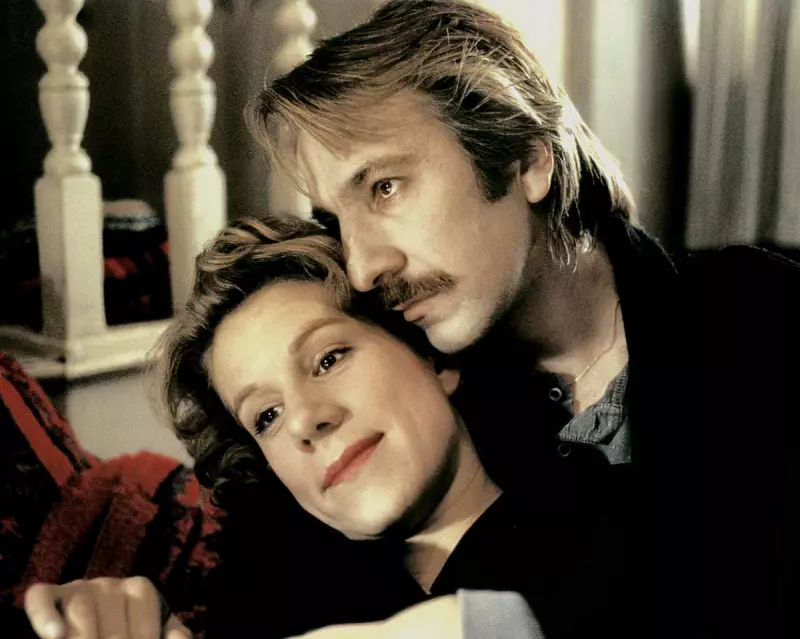
Whately points out that it took another "late, great" figure, director Anthony Minghella, to unlock Rickman's potential on screen. Minghella cast Rickman as the romantic lead in the 1991 film Truly, Madly, Deeply, a role that Whately believes was pivotal in launching Rickman's screen career. This film not only showcased Rickman's versatility but also cemented his status as a beloved actor in both film and television. The mention of this breakthrough serves to contextualise Rickman's journey from theatre to cinematic acclaim.
Legacy of Kindness and Intelligence
Throughout his letter, Whately consistently praises Rickman's human qualities, suggesting that his kindness and intelligence were as integral to his success as his acting skills. This reflection adds depth to the public's understanding of Rickman, moving beyond his iconic roles to appreciate the person behind the performances. Whately's account contributes to the ongoing appreciation of Rickman's legacy, reminding readers of the impact he had on those who worked alongside him.
In closing, Whately's letter not only shares a personal memory but also invites further discussion on Rickman's enduring influence in the arts. It underscores the importance of recognising both the professional achievements and personal attributes of cultural figures, offering a nuanced tribute to a much-missed talent.