Ritual Review: An Ambitious Yet Under-Resourced Immersive Theatre Experience
Upon entering the windowless basement of Colab Tower in London, transformed into a makeshift Mycenaean palace for the production Ritual, I encounter a scene of quiet preparation. Egg yolk is being mixed to create gold paint, setting the tone for an eight-hour performance installation that promises depth but often delivers monotony. This immersive piece, presented by the company Witness and originally staged in New York, expands on Aeschylus's classic Oresteia, focusing on the exiled prince Orestes as he awaits divine guidance to avenge his father's murder.
A Promising Concept with Inconsistent Execution
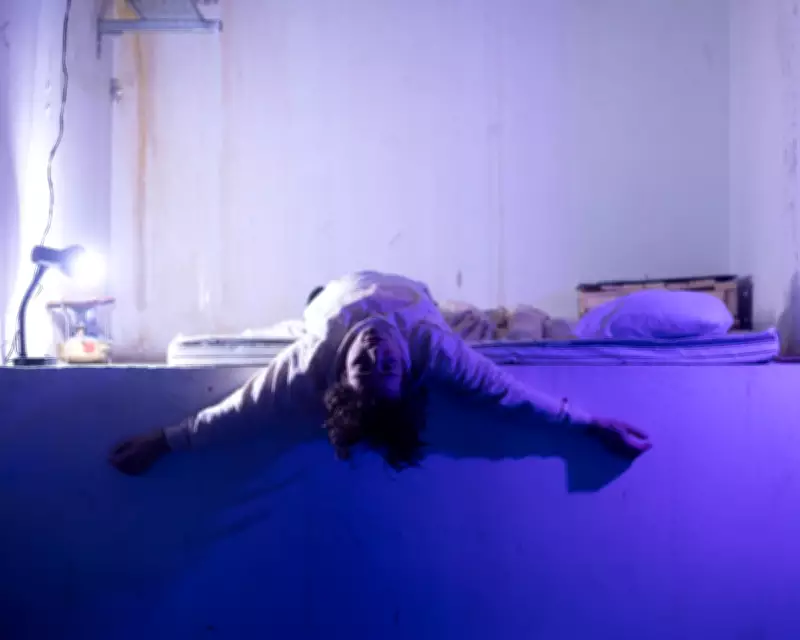
Written by Michael Bontatibus and directed by Charlotte Murray, Ritual invites audience members to wait alongside Orestes, portrayed with commitment by Charlie McRae-Tod in casual attire like a hoodie and track pants. The experience demands patience, yet it does not always provide rewarding moments. Depending on one's arrival time, spectators might witness intense scenes such as a knife fight with a janitor or a minor sacrificial act. However, many attendees find themselves in prolonged dull patches, watching Orestes perform mundane tasks like eating dinner, hanging curtains, or staring at old maps and song sheets.
The industrial space is divided into two rooms, but the set design feels limited and hastily assembled, reminiscent of a charity shop raid with items such as a Creme Egg mug, old paint pots, and tattered copies of Ibsen's plays. The first room features a worn mattress, a desk for letter-writing, and shelves cluttered with books and model soldiers, while the second resembles a prayer room with portraits lit by plastic candles. Despite the freedom to explore and touch most objects, the environment lacks transformation, feeling more like a temporary storage area than an immersive world.

Challenges in Narrative and Engagement
Audience members shuffle around Orestes as he moves between rooms, attempting to avoid obstructing views while staying engaged. Much of the performance is internal, with Orestes's thoughts often hidden from the fleeting ghosts of spectators. For those spending extended periods, seating options are scarce beyond the floor, leading to discomfort during long waits. The narrative is thinly spread, pieced together from glimpses of letters Orestes writes or occasional monologues recorded on tapes, revealing his prolonged confinement and confusion about time.
The world-building in Ritual is frustratingly undefined, blending ancient elements like a shrine to a war helmet with modern touches such as pizza deliveries via Deliveroo. Scenes like a dinner table interaction with Menelaus, where Helen affectionately calls her husband "babes," add to the disjointed feel. While the creative team has infused the story with textual authenticity and knowledge, the clues remain elusive for audiences, making the production opaque and challenging to decipher.
Final Verdict on the Immersive Endeavor
Making Orestes's hidden days experiential is an admirable concept, especially as attendance is free, but the scaffolding of this production struggles to support the claustrophobic intensity it aims for. Despite the significant effort and authenticity behind it, Ritual often leaves viewers feeling disconnected and underwhelmed. As Orestes notes in a letter, "The gods can be opaque," a sentiment that aptly describes this ambitious yet under-resourced theatrical experiment. Ritual continues at Colab Tower in London until February 22, offering a unique but flawed journey into immersive theatre.