The Night Manager's Seductive Comeback: A Television Triumph
Without the anchor of a weighty John le Carré novel to guide it, there were legitimate concerns that the second season of The Night Manager might feel like a phoned-in effort. Yet, the steamy and stylish spy series has returned with a vengeance, delivering a television experience that is nothing short of a delight. This article delves into the season finale, exploring why this seductive show continues to captivate audiences a decade after its debut.
A Decade-Long Wait for More Espionage Elegance
When the first season aired ten years ago, it presented an entirely different world. The announcement of a second instalment sparked initial trepidation—could lightning truly strike twice? Delightfully, those fears were unfounded. The Night Manager remains one of the most seductive programmes on television, boasting palatial residences, luxurious hotels, expensive tailoring, and a cast of beautiful individuals engaged in elegant betrayal.
For those who haven't revisited the series since 2016, here's a refresher: Jonathan Pine, portrayed by Tom Hiddleston, infiltrated the exclusive circle of arms dealer Richard Onslow Roper, played by Hugh Laurie. Under the direction of Angela Burr, embodied by Olivia Colman, Pine's mission involved beguiling Roper, sabotaging his arms deals, and ultimately making off with a substantial fortune as Roper faced a violent demise.

Le Carré's Legacy and the Characters' Enduring Appeal
John le Carré himself noted that the initial season concluded rather favourably for Roper, suggesting the character's charm and wickedness made audiences reluctant to see him depart. This sentiment proved prophetic, as the second season leverages our attachment to Roper and the enigmatic allure of Pine. The meticulous plotting of the new episodes stands in stark contrast to many contemporary series that seem to drift aimlessly towards their conclusions.
While lacking a le Carré novel as its foundation, season two benefits from the return of familiar faces: Hiddleston, Colman, Alistair Petrie, and Douglas Hodge all reprise their roles. The surprise reappearance of Hugh Laurie as Roper, seemingly back from the dead, adds a thrilling layer. However, it is the new additions that truly shine—Diego Calva as the magnetic Colombian arms dealer Teddy Dos Santos and Camila Morrone as the steely informant Roxana Bolaños.
Subverting Expectations with Twists and Tension
On the surface, season two appears to be a tropical rehash of the original—arms dealers, beautiful women, and institutional corruption. Yet, The Night Manager excels at pretending to meet expectations before subverting them entirely. The revelation that Dos Santos's father is an Englishman initially seems like an obvious callback, but the plot thickens when it's disclosed that the father is alive and collaborating with his son.
Bolaños defies the trope of the mere love interest; she openly resents Pine for endangering her and ultimately betrays him. Meanwhile, Dos Santos's fascination with Pine adds a compelling dynamic, culminating in a three-way dance described as the sexiest television moment in recent memory without a single kiss. The tension peaks in a ten-minute showdown between Hiddleston and Laurie, a steak lunch scene rivalling the intensity of Heat's diner encounter.
A Bittersweet Conclusion and Hopes for the Future
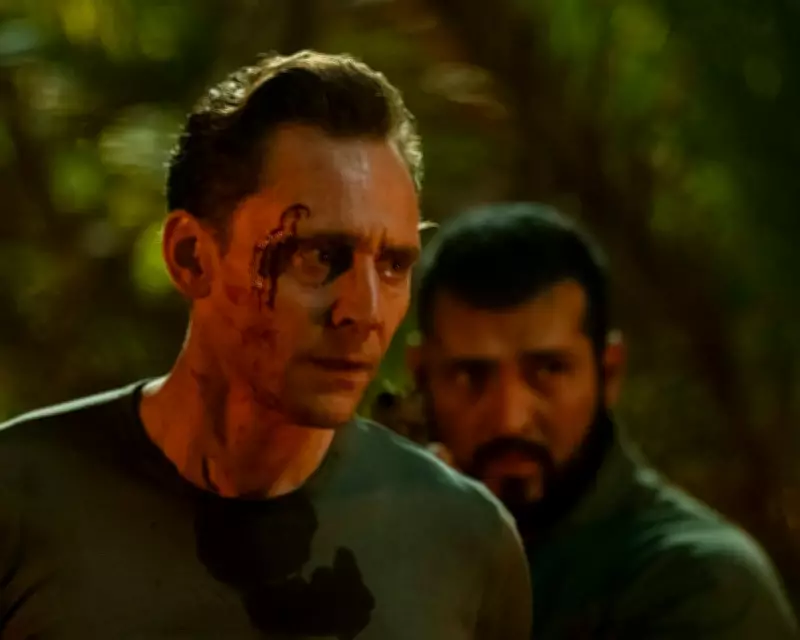
In a dramatic finale, Dos Santos is executed by his father, Burr meets a tragic end, and Pine is left bleeding in the Colombian jungle. Roper emerges victorious, securing his British passport, an Oxford mansion, and his son's loyalty. This conclusion leaves audiences yearning for more, and thankfully, a third season is already in pre-production. The Night Manager has proven that even without its literary origins, it can deliver a seductive, twist-filled narrative that punches the air with triumph.