A school board in New York state is under intense scrutiny and facing a formal investigation following shocking allegations about its conduct during public meetings. Officials are accused of using a literal wooden box to stifle the voices of parents and community members who wished to speak.
Allegations of Silencing Critics
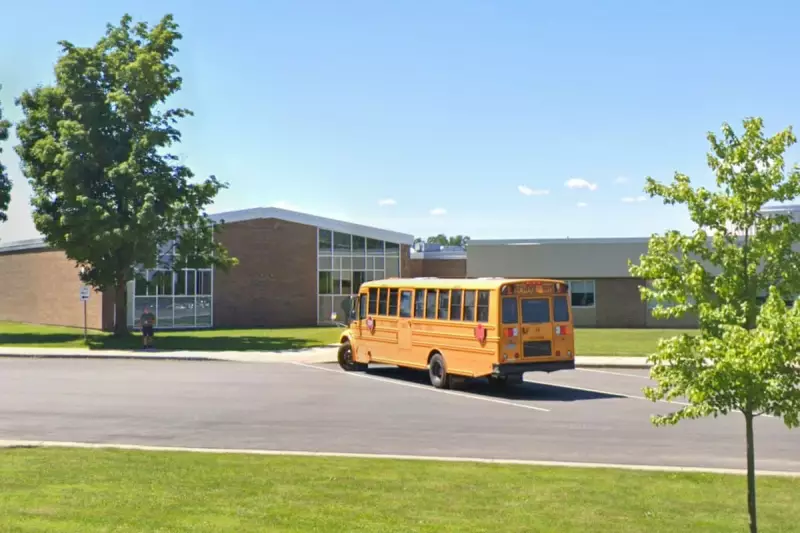
The controversy centres on the Shenendehowa Central School District board, located near Albany. According to multiple complaints, individuals who signed up to address the board were directed to speak into a small, wooden box placed on the podium. This box, allegedly containing a microphone, was said to severely muffle and distort the speaker's voice, making it nearly impossible for the audience or livestream viewers to understand them.
Critics and parents have labelled the tactic a blatant attempt to suppress dissent and avoid accountability. The claims suggest this practice was selectively applied to those who intended to voice concerns or criticisms of the board's policies, while those with favourable comments were allowed to use a normal, functioning microphone.

Official Investigation Launched
In response to the growing public outcry, New York's state education department has confirmed it is investigating the matter. A spokesperson stated the department is looking into whether the board's actions violated any laws or regulations concerning open meetings and public participation.
The allegations first gained widespread attention after being reported by the New York Times in December 2025. The school board and district administration have denied any intentional wrongdoing. In a statement, they asserted that all equipment at their meetings is intended to facilitate public comment and that any audio issues were unintentional technical glitches.
Broader Implications for Public Trust
This incident has ignited a fierce debate about transparency and democratic engagement in local governance. Advocacy groups argue that deliberately obstructing public comment undermines the very purpose of open school board meetings, which are designed to allow community oversight.
Legal experts note that while specific rules vary, public bodies generally have a legal obligation to allow meaningful public participation. Any deliberate attempt to circumvent this could raise serious constitutional questions regarding free speech. The outcome of the state's investigation will be closely watched, as it may set a precedent for how similar disputes are handled across the United States.
The scandal has left the Shenendehowa community deeply divided, with many residents calling for the resignation of board members and a complete overhaul of public meeting procedures to ensure such incidents cannot happen again.