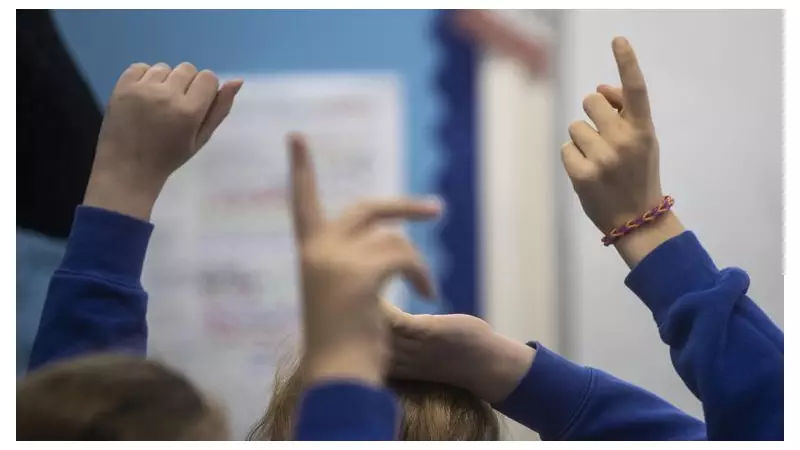
The government is launching a major new initiative to equip teachers with the tools to identify and challenge misogynistic attitudes among boys in schools. The strategy forms a core part of Prime Minister Sir Keir Starmer's plan to halve violence against women and girls (VAWG) within the next ten years.
A £20m Investment in Early Intervention
A formal package of measures worth £20 million will be unveiled today, Thursday 18 December 2025. The funding comprises £16 million from the taxpayer, supplemented by £4 million from philanthropic donors and partners. Sir Keir Starmer warned that "too often toxic ideas are taking hold early and going unchallenged," citing research indicating that more than 40% of young men hold a positive view of the controversial influencer Andrew Tate, who has previously dismissed concerns about his ideology as "garbage".
The centrepiece of the plan is specialist training for teachers. This will enable them to recognise the early warning signs of misogyny in male pupils and guide them away from such harmful viewpoints. Educators will also receive instruction on how to discuss sensitive but critical topics with students, including consent and the significant dangers associated with sharing intimate images.

Mandatory Lessons and a New Helpline
As part of the same drive, all secondary school pupils in England will be taught about healthy relationships. These lessons are set to become mandatory by the end of the current parliament in 2029. A pilot scheme, delivered by external experts, will begin in selected schools in 2026.
Furthermore, the government will establish an online helpline specifically for teenagers who have concerns about their own behaviour within relationships. This aims to provide a confidential route for young people to seek help and advice at an early stage.
"Every parent should be able to trust that their daughter is safe at school, online and in her relationships," the Prime Minister stated. "This government is stepping in sooner - backing teachers, calling out misogyny, and intervening when warning signs appear - to stop harm before it starts."
Criticism and Wider Context
The urgency of the issue is underscored by Department for Education research, which found that 70% of secondary school teachers surveyed had actively dealt with incidents of sexual violence or harassment between children.
VAWG minister Jess Phillips told Sky News she had personally spoken to her own children about distinguishing normal from abnormal sexual behaviour, aware of what they might encounter. She cautioned that without government intervention, the problem of violence against women and girls could double rather than be halved.
However, the strategy has faced criticism for not going far enough. Dame Nicole Jacobs, the Domestic Abuse Commissioner for England and Wales, said that while the plan rightly recognises the scale of the challenge, "the level of investment to achieve this falls seriously short." She also pointed out that schools are already overburdened.
Claire Waxman, the incoming Victims' Commissioner, echoed these concerns, stressing that victim services must be the "backbone" of the strategy and warning that without sustainable funding, it risked being merely a "wish list".
This announcement follows other measures unveiled this week to combat VAWG, including deploying specialist rape investigators to every police force, enhancing NHS support for survivors, and a £19 million funding boost for safe housing for domestic abuse survivors provided by local councils.