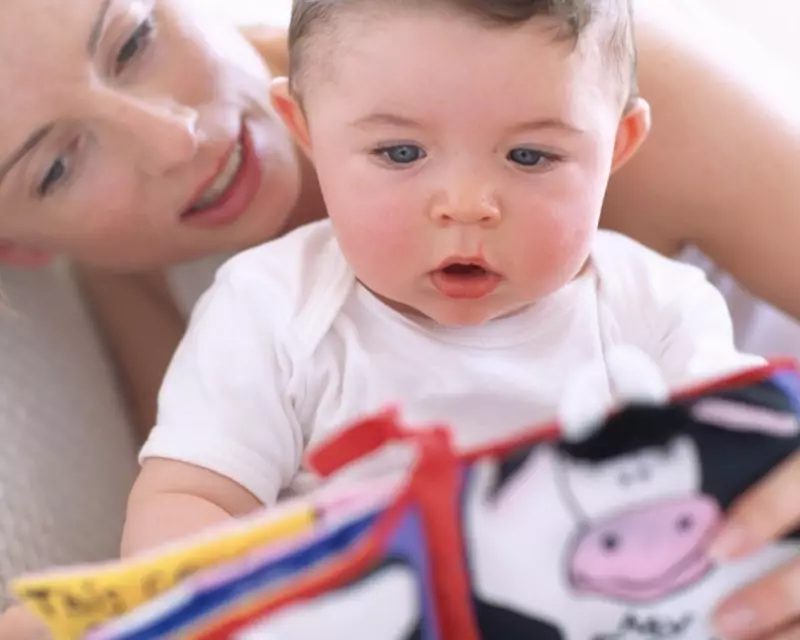
Leading British authors including Richard Osman, Kate Mosse and Sir Philip Pullman are championing a bold new proposal to issue every baby born in the UK with an automatic public library membership card.
A Birthright, Not a Postcode Lottery
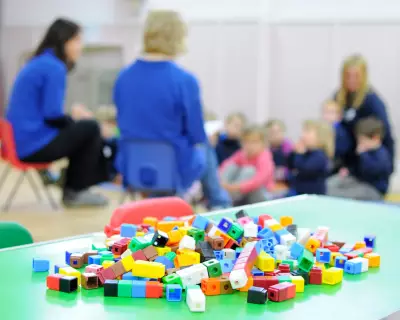
The policy, developed by the thinktank Cultural Policy Unit (CPU), seeks to establish library access as a universal birthright. The goal is to weave libraries into the early fabric of childhood and foster a nationwide culture of reading and learning from day one.
Alison Cole, director of the CPU, stated that the core idea of a National Library Card is straightforward. "Access to knowledge and culture should be a birthright, not a postcode lottery," she explained. "By giving every child an automatic library card from birth, together with a programme of activities and engagement, we make libraries part of the fabric of everyday life."

Tackling Inequality and Boosting Development
The push comes against a backdrop of concerning disparities in child literacy and book ownership. A November report from the National Literacy Trust highlighted a stark socioeconomic gap, finding that far fewer children who receive free school meals own a book compared to their peers.
This makes the role of public libraries, which offer free access to books and resources, critical in the fight against social inequality. Isobel Hunter, chief executive of Libraries Connected, described libraries as "engines of social mobility" with a vital role in supporting families from birth, emphasising that investment yields long-term benefits in closing opportunity gaps.
Annie Crombie, co-CEO of BookTrust, added that "reading from the earliest days supports bonding, tackles inequalities, and boosts development."
Building a Lifelong Library Journey
Author Kate Mosse highlighted the practical support the initiative would offer, saying universal access to local libraries "will make an enormous difference to young parents who maybe don’t have a support network near them."
Cole also noted the significance of the authors' backing, pointing to Sir Philip Pullman's enthusiasm for the optimistic policy. "They understand better than anyone that readers are made early, and that libraries are where curiosity, confidence – as well as a love of stories – begins," she said.
The CPU's proposal includes a detailed library journey timeline with service suggestions for every stage of a child's development, from birth to 18 years. This framework is designed to ensure libraries become "lifelong tools for learning, creativity, cultural experiences and social mobility." The thinktank also argues that in an era of artificial intelligence, the initiative would help children learn to navigate the digital world with confidence.
The growing consensus among literary figures and literacy organisations is clear: if the nation is serious about improving literacy and social mobility, the work must start from birth, with libraries positioned as a cornerstone of infinite possibility.