UK Government Launches £4bn 'Generational' Overhaul of Special Educational Needs Support
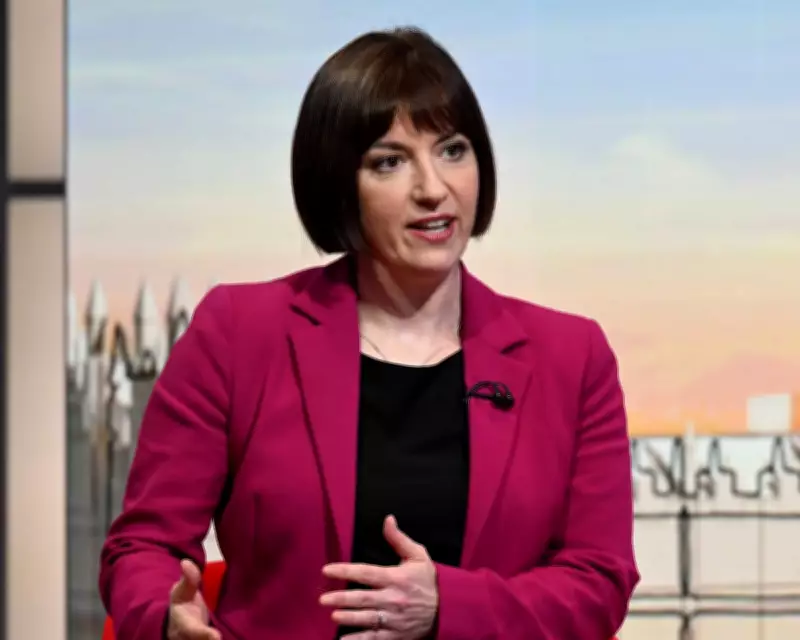
The UK government has unveiled a landmark £4 billion investment to overhaul special educational needs and disabilities (Send) support in England, described as a "once in a generation" opportunity to redefine the future of education. Education Secretary Bridget Phillipson announced the reforms, which aim to address soaring costs and parental distrust in the current system.
Key Reforms and Investment Details
The overhaul includes £1.6 billion over three years for early years settings, schools, and colleges to fund provisions like small-group language support. An additional £1.8 billion will create an "experts at hand" service, providing Send teachers and speech therapists accessible to all children, regardless of whether they have an Education, Health and Care Plan (EHCP). The reforms also promise 60,000 extra special school places and enhanced training for every teacher.
In practice, this funding translates to approximately £20,000-£40,000 annually for primary schools and £50,000-£70,000 for secondary schools. Once fully implemented, an average secondary school will receive over 160 days of additional specialist time each year. Schools will be required to establish an "inclusion base" as part of a broader £3.7 billion capital investment.

Stricter Criteria and Parental Concerns
Under the changes, EHCPs will be reserved for children with the most severe and complex needs, while new plans for those on lower tiers will still offer legal rights and support. However, parents have raised concerns about these rights being reviewed when children transition to secondary school. Additionally, parents will no longer have free choice of schools but will receive a list of options, with appeals allowed through the Send tribunal.
The reforms come amid record demand for Send provision and high rates of parental appeals, with families currently winning almost all Send tribunal hearings. Government sources warned that councils failing to meet legal duties, such as issuing EHCPs within the 20-week deadline, could lose control of Send services.
Political and Public Response
Prime Minister Keir Starmer endorsed the reforms, stating, "Getting the right support should never be a battle – it should be a given." He emphasized a shift from a "one size fits all" system to tailored support for individual needs. The proposals, delayed last autumn due to backlash from MPs and parents, have undergone a major listening drive led by Phillipson to address concerns.
Charities and thinktanks have responded cautiously. The Education Policy Institute highlighted staffing shortages, warning that without more training places, there won't be enough educational psychologists. The Sutton Trust praised the reforms for benefiting poorer families but stressed that success depends on adequate funding for pupils without EHCPs. IPSEA and Mencap expressed optimism but called for stronger accountability and legal rights protection.
Regional Adoption and Future Outlook
Andy Burnham, Mayor of Greater Manchester, offered the region as an early adopter, confident that a less adversarial approach could pioneer change. Phillipson emphasized that reform is essential alongside investment, citing a decade of systemic failures. The white paper, set for release, aims to end the "postcode lottery" and reduce reliance on private schools and long-distance transport.
This overhaul represents a critical policy moment for the Labour government, with Phillipson asserting it will ensure "improved support, not removed support" for schoolchildren across England.