Martin Lewis Calls for Graduate Action Over Student Loan Reforms
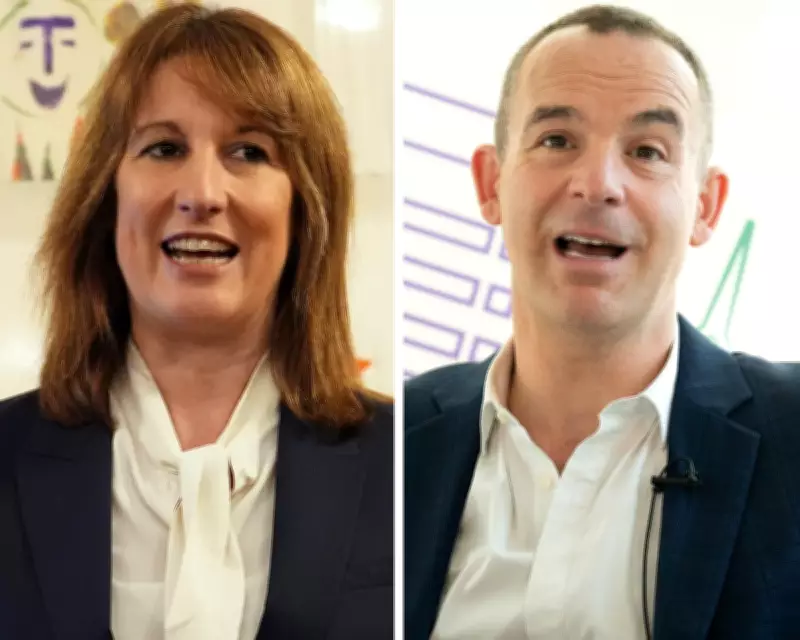
Consumer champion Martin Lewis has urged graduates in England and Wales to write to their MPs in protest against changes to student loan repayment terms introduced by Chancellor Rachel Reeves. The founder of MoneySavingExpert.com has labelled the adjustments, which will see many graduates paying more, as "not moral," igniting a heated public debate.
Understanding the Core Dispute
The conflict centres on a technical modification to student loans announced in last November's budget. Reeves has decided to freeze the salary threshold for "plan 2" student loans for three years, affecting an estimated 5.8 million individuals who took out loans between September 2012 and July 2023. This threshold, set to rise to £29,385 in April, will now remain fixed until 2030, contrary to annual increases.
As wages increase over time, this freeze will pull more graduates into repayment obligations and require those already earning above the threshold to contribute 9% of a larger portion of their income. Lewis argues this constitutes a breach of contract, stating, "You didn't say the terms were variable. This isn't right." He emphasises that such unilateral changes would be illegal for commercial lenders under consumer law.

Basics of the Student Loan System
Student finance in England and Wales comprises tuition fee loans and maintenance loans, both accruing interest until fully repaid or written off after 30 years. Plan 2 loans, the focus of this row, involve graduates repaying 9% of earnings above the threshold, collected through payroll like a tax. With £213bn in outstanding plan 2 debt reported by the Institute for Fiscal Studies (IFS), and interest rates linked to RPI inflation—reaching 8% in August 2024—many graduates face mounting debts that hinder savings and homeownership prospects.
Perspectives from Key Figures
Martin Lewis has publicly challenged Reeves, suggesting affected graduates contact their MPs to express discontent. He asserts, "This isn't what we were promised," highlighting the perceived unfairness of the threshold freeze. In response, Reeves defends the system as fair, noting that repayments only commence once graduates earn sufficiently, and loans are written off if not repaid. She stated, "It is not right that people who don't go to university are having to bear all the cost for others to do so."
The Department for Education supports the changes, citing sustainability for taxpayers and students. However, the National Union of Students warns the freeze could exacerbate financial struggles for new graduates, impacting their ability to afford essentials like food and rent.
Financial Implications and Public Opinion
According to IFS analysis, the threshold freeze will result in plan 2 graduates repaying an average of £3,200 more over their lifetimes, with expected repayments rising from £52,600 to £55,800 in today's prices. This shift means taxpayers will shoulder almost none of the higher education costs for this cohort. A recent YouGov survey reveals public division: 44% of Britons favour writing off some or all student debt, while 41% believe graduates should repay as currently structured.
As the debate intensifies, politicians and campaigners are monitoring whether Lewis's call to action gains momentum, potentially influencing future elections. The outcome may hinge on broader discussions about fairness and who should finance higher education in the UK.