In a chilling echo of a childhood memory, playwright and Brown University graduate Sarah Ruhl recounts the moment her 19-year-old daughter, Anna, was forced to hide under a desk in the Brown University library as a gunman targeted students nearby. This personal tragedy forms the heart of a powerful essay questioning the entrenched normalisation of gun violence in the United States.
A Mother's Panic: From Childhood Library to University Bunker
The incident occurred on a Saturday at the Rockefeller Library in Providence, Rhode Island. Anna Ruhl was studying when a man began shooting at innocent students down the street. With the assailant still at large, SWAT teams secured the library doors, and Anna, along with others, took shelter under desks. She texted updates to her mother, who was in a rehearsal in Boston for a musical about kindness.
For Sarah Ruhl, the terror was hauntingly familiar. She recalled a similar lockdown when she was 13, during the 1988 Hubbard Woods school shooting in the Chicago suburbs perpetrated by Laurie Dann. That was before Columbine, Sandy Hook, and the horrific acceleration of such events in America. "When I was 13 a school shooting was deeply unfamiliar territory," Ruhl writes, contrasting it with the present day where her younger son, upon hearing a local parade was cancelled in 2022, asked, "Was there a school shooting or something?" without surprise.

The Search for Sense in a Senseless Cycle
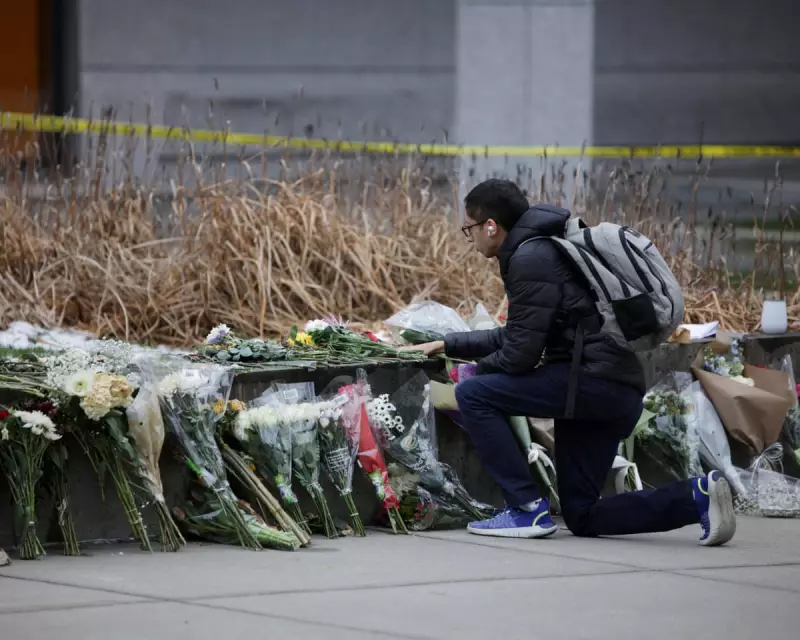
As she waited for news, Ruhl grappled with the impossible questions that follow every massacre. "Do we not have enough wars for men to participate in? Is that why there is this blood-thirst for killing the innocents?" She lists the usual suspects: the preponderance of guns, greed, mental health crises, loneliness, and the powerful gun lobby. The attack at Brown left two students dead and eight hospitalised, targeted simply for studying.
Ruhl contrasts the American response with decisive action taken elsewhere. She highlights the documentary about former New Zealand Prime Minister Jacinda Ardern, who banned assault rifles within six days of the Christchurch mosque massacre and initiated a government buyback scheme. "The social contract was pierced, so one leader did something about it," Ruhl notes.
Art, Grief, and the Fight for Change
The playwright examines why theatre, an ancient vehicle for catharsis, often shies away from depicting school shootings. She suggests people need emotional numbness to cope, and that the senselessness of the violence defies traditional dramatic structure. However, she points to initiatives like ENOUGH! Plays to End Gun Violence which seek to fill the void with community and purpose.
Ruhl ultimately turns to the young activists who have emerged from the trauma, like the Parkland survivors, including X González, who founded March For Our Lives. "Are teenagers perhaps better political organisers than mothers?" she wonders, acknowledging their clear-eyed impatience with injustice.
Her essay concludes with a poem written after the 2022 Highland Park parade shooting, which cancelled her own family's Fourth of July plans. It ends with a desperate plea: "Please – let the killing cease." Ruhl's account is a raw fusion of maternal fear, grief, and a determined demand for a country where safety is not just a matter of luck.