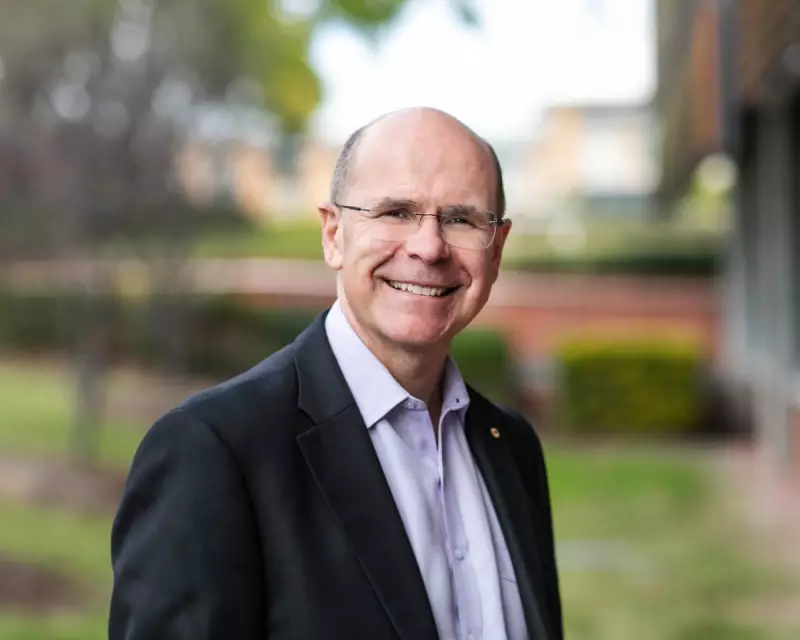
In a bold move that's dividing academic traditionalists and digital pioneers, Western Sydney University's Vice-Chancellor Professor George Williams has embraced TikTok as a powerful tool for connecting with today's students. The law professor's unconventional approach to leadership communication is rewriting the rulebook on how university executives engage with their communities.
Breaking Down the Ivory Tower Walls
Professor Williams, who leads one of Australia's largest universities, has built a substantial following on the platform by sharing everything from campus updates to personal reflections. His content strategy represents a significant departure from the formal communications traditionally associated with university leadership.
"We need to meet students where they are," Professor Williams explained, highlighting the generational shift in communication preferences. "If that means dancing on TikTok to discuss serious educational policy, then that's what we should consider."

The Academic Community Reacts
The Vice-Chancellor's social media presence has generated mixed reactions within higher education circles:
- Supporters argue it demonstrates adaptability and genuine commitment to student engagement
- Critics question whether such platforms undermine the gravitas expected of academic leadership
- Students report feeling more connected to university leadership through accessible content
Strategic Communication or Passing Trend?
Professor Williams maintains that his TikTok activity isn't merely about chasing trends. "This is about fundamentally rethinking how we communicate complex ideas in an attention-scarce environment," he stated. The approach forms part of a broader strategy to make higher education leadership more transparent and approachable.
The debate surrounding Professor Williams' methods reflects larger questions about digital transformation in education. As universities worldwide grapple with changing student expectations and technological disruption, Western Sydney University's experiment in social media leadership offers valuable insights into the future of academic communication.
Whether this approach becomes standard practice or remains an outlier, it undoubtedly signals a shift in how educational institutions conceptualise leadership in the digital age.