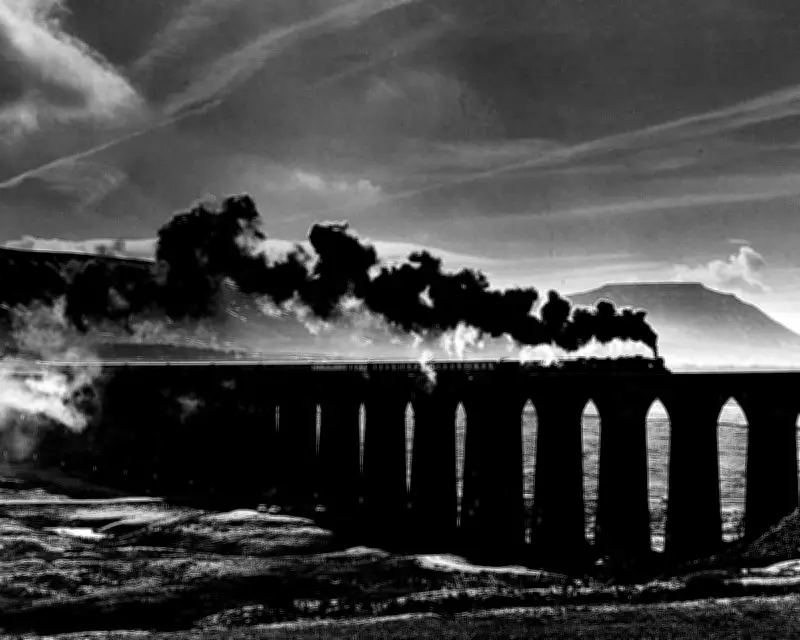
A poignant country diary entry from 6th February 1926 reveals how industrial pollution from northern manufacturing towns extended its reach into the remote Yorkshire Dales, casting a shadow over the natural beauty of the landscape.
The Unwelcome Reach of Industry
The diarist describes standing at Ribblehead, surrounded by the iconic peaks of Ingleborough, Whernside, and Pen-y-ghent, yet experiencing the intrusive effects of industrial activity. Even in this seemingly isolated location, the fog carried a distinctive blackness attributed to pollution from distant towns.
A Pervasive Industrial Smell
Remarkably, the specific smell from oilcloth works in Lancaster was detected as far as the source of the Greta River, where meadows would soon bloom with globe flowers, bird’s-eye primulas, and grass of Parnassus. Local folklore suggested this reek travelled up the Lune and Greta waterways, leaving Lancaster temporarily clear and serving as a reliable predictor of impending rain.

The pollution wasn't confined to Yorkshire; the same industrial odour reached Cark-in-Cartmel at the edge of the Lake District, demonstrating that even the vast expanse of Morecambe Bay couldn't disperse what the diarist termed "so triumphant a stink."
A Personal Reflection on Industrial Impact
The writer expresses profound dismay at how England's great cities appeared to be carelessly damaging the living countryside. Recalling childhood memories of industrial landscapes like Wigan, Warrington, and Landore in Wales, the diarist admits to feeling a lingering horror when travelling by train between Manchester and Leeds.
Beyond Romanticised Industry
While acknowledging that sophisticated romantic painters might find tragic beauty in industrial cities like Bradford, Sheffield, Newcastle, Middlesbrough, and Glasgow, the diarist emphasises that this aesthetic appreciation doesn't serve children's needs. The entry concludes with a political aspiration to transform "the black power of coal into white power" and restore a healthier environment for future generations.
This historical perspective from nearly a century ago offers a sobering reminder of how industrial pollution once permeated even England's most cherished rural landscapes, with effects felt far beyond factory boundaries.