The Invisible Public Health Emergency: Air Pollution's Deadly Toll
While breathwork and mindfulness practices encourage us to focus on our breathing for wellness, a stark reality confronts millions: the very air we inhale may be harming rather than healing us. Air pollution represents one of the most significant environmental health risks globally, yet it continues to attract insufficient public outrage despite its devastating human cost.
A Global Crisis with Local Consequences
According to World Health Organization data, an astonishing 99% of the global population breathes air that exceeds health-based pollution guidelines. This isn't a distant climate threat but an immediate public health emergency, responsible for nearly seven million premature deaths worldwide each year. The damage extends across multiple bodily systems, affecting hearts, lungs, brains, and blood vessels with every polluted breath.
Some cities serve as alarming case studies of what unmitigated air pollution can achieve. New Delhi, frequently cited as the world's most polluted capital, experiences PM2.5 concentrations that regularly surpass WHO guidelines by approximately twenty-four times during peak pollution periods. The Air Quality Life Index estimates this exposure reduces life expectancy by almost twelve years for Delhi residents, with fifteen percent of all deaths in the city directly attributable to air pollution.

London's Progress and Persistent Challenges
In the United Kingdom, the Royal College of Physicians has linked approximately 30,000 annual deaths to air pollution. London's implementation of Low Emission Zones and Ultra Low Emission Zones has demonstrated what targeted policy can achieve. Between 2016 and 2023, nitrogen dioxide levels in the capital declined by nearly half, with air quality improving at 99% of monitoring sites across the city.
A recent City Hall report revealed that by 2024, nitrogen dioxide had decreased by about 27% overall across London, while PM2.5 from vehicle exhausts was 31% lower in outer London than it would have been without ULEZ expansion. Despite these improvements, many areas across Britain continue to breach safe pollution limits with concerning frequency, indicating that current measures, while valuable, remain insufficient.
Two Critical Areas for Immediate Improvement
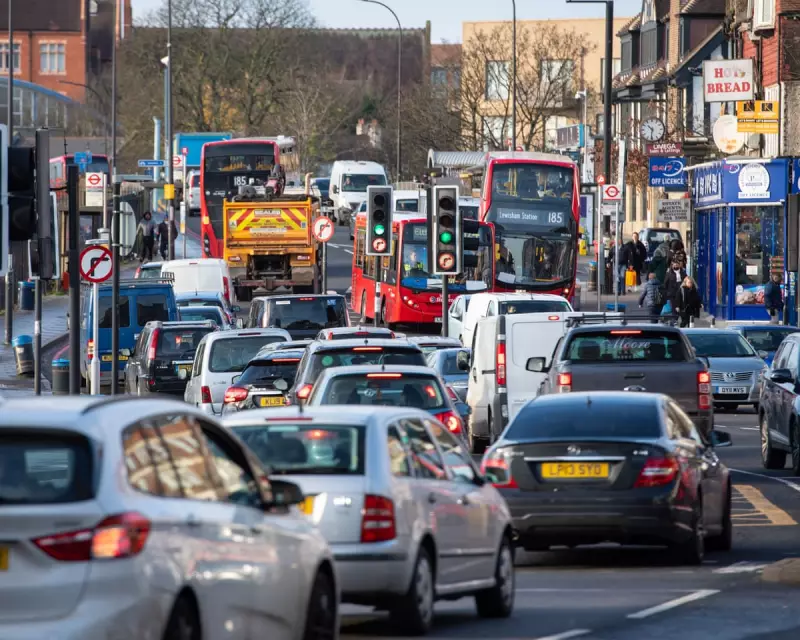
Beyond existing clean air zones, two specific behavioral changes could deliver significant public health benefits. First, the widespread practice of engine idling represents an easily addressed source of localized pollution. A running engine substantially increases exhaust fume concentrations in its immediate vicinity, harming drivers, passengers, and nearby pedestrians alike. This is particularly concerning near schools, parks, and residential areas where vulnerable populations congregate.
Second, wood-burning stoves and open fires, often marketed as sustainable and cosy lifestyle choices, generate substantial amounts of fine particulate matter both indoors and outdoors. A recent UK study linked wood burning to nearly 2,500 deaths and more than 27,000 years of life lost annually, alongside thousands of new asthma and diabetes cases. The World Health Organization categorises this exposure as indoor air pollution, a risk factor it has worked for decades to reduce in low-income countries where people cook over open fires.
The Policy Imperative
While individual actions matter, meaningful public health protection requires comprehensive policy implementation. Emissions standards, clean air zones, strategic transport planning, and regulation of domestic combustion all deliver measurable improvements in exposure levels and health outcomes. The benefits are both immediate and local, offering cities tangible returns on their regulatory investments.
No amount of personal wellness practices—whether green smoothies, breathwork exercises, or regular running—can offset the health damage caused by breathing polluted air. The quality of the air we breathe while pursuing these activities ultimately determines their net health benefit. As cities worldwide grapple with this invisible threat, London's ULEZ experience offers a valuable model, but one that must be expanded and enhanced with additional measures to truly protect public health from this silent killer.