A severe Arctic weather front has ushered in a bitterly cold start to 2026 across much of Europe, with sub-zero temperatures, heavy snowfall, and damaging winds causing disruption from Poland to the Mediterranean.
Deep Freeze and Snow Blanket Central Europe
The new year began with a dramatic temperature drop, particularly in central Europe. Temperatures plunged into double-digit negatives in some areas. Heavy snowfall already affected parts of eastern and central Europe on New Year's Eve, notably in countries like Poland and Ukraine, with the Alps also seeing significant snow in the first days of January.
Forecasters warn the cold is set to persist this week as the Arctic air mass pushes south. Temperatures are expected to fall to around 5C below the seasonal average widely, with parts of central and north-eastern Europe experiencing conditions up to 10C colder than normal. The wind chill will make it feel even more severe.

Remarkable Winds Batter Corsica and Snow Hits South Korea
The powerful weather system extended its reach beyond the cold. On the island of Corsica, exceptionally strong winds struck, far from a typical Mistral event. Gusts of approximately 60mph battered the town of L’Île-Rousse, while in the Cap Corse region, gusts neared a staggering 100mph.
This was caused by a unique atmospheric setup. High pressure in the Atlantic pushed cold air south over France, while a low-pressure system developed in the Gulf of Genoa. The contrast between these systems funnelled and accelerated the wind through the Rhône valley before it burst over the sea and curved towards Corsica.
Meanwhile, the same cold air mass brought disruptive snow to South Korea. Jeju Island was worst affected, with more than 9cm of snow in Jeju City. The combination of snowfall, strong winds, and significant wind shear led to numerous flight and ferry cancellations.
A Harsh Start to the Year
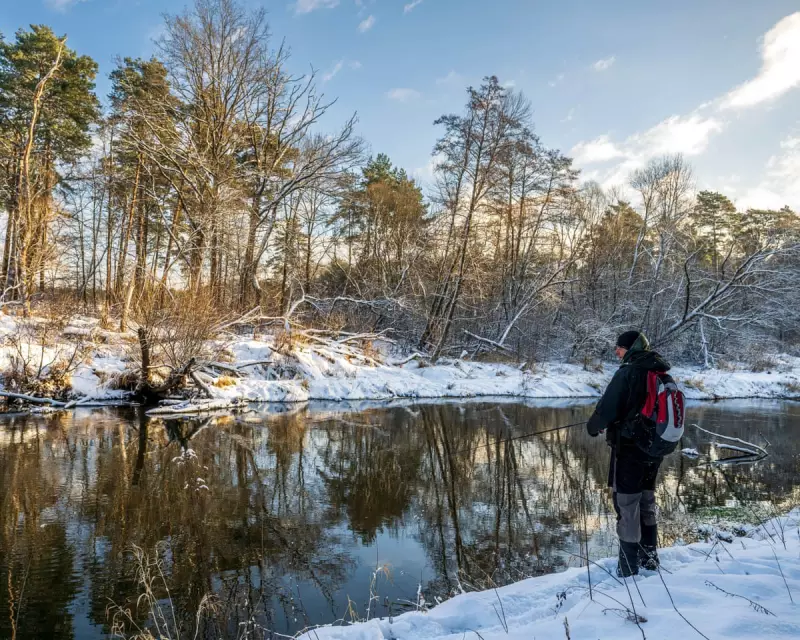
This widespread bout of severe weather marks a challenging beginning to 2026 for many regions. From the snowy banks of Poland's Kwisa River to the wind-lashed coast of Corsica and the disrupted transport hubs of Jeju, the Arctic air mass has demonstrated its far-reaching influence. Residents and travellers are urged to stay updated on forecasts as the unusually cold conditions are forecast to continue.