UK Government Unveils Plans for Health Warnings and Tighter Emissions on New Wood-Burning Stoves
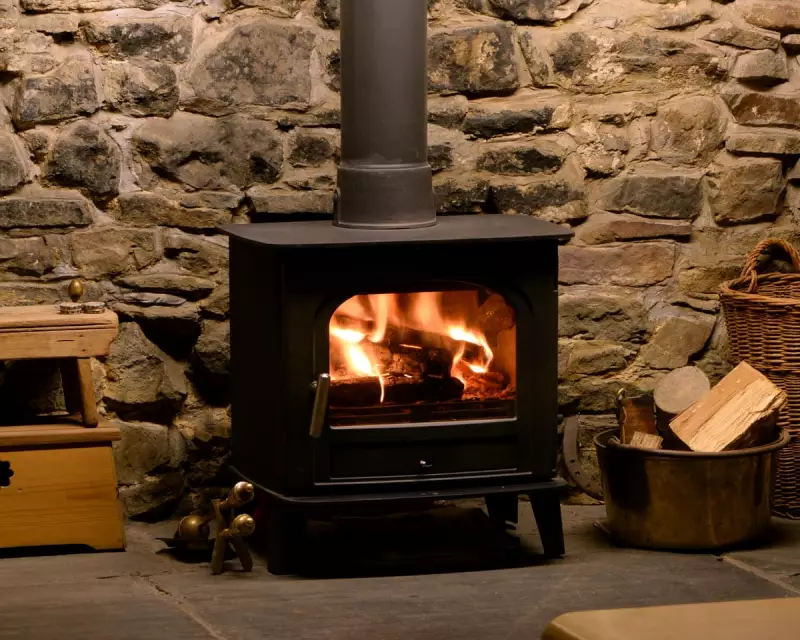
In a significant move to combat air pollution, the UK government has proposed new regulations that would require health warnings on wood-burning stoves and drastically reduce their smoke emissions. The plans, outlined in a recent consultation, aim to address the severe health impacts associated with domestic burning, which is linked to thousands of premature deaths annually.
Proposed Changes to Emissions and Labelling
The key proposal involves slashing the smoke emission limit for new stoves by 80%, from the current 5 grams per hour to just 1 gram per hour. However, this measure would only apply to newly manufactured stoves, with approximately 70% of those tested since 2018 already meeting this stricter standard. The government estimates that this change would reduce annual toxic emissions from wood burning by 9% over the next ten years.
Additionally, new stoves would be required to carry clear health warning labels. A suggested wording reads: "Please be aware that this appliance emits air pollution into and around your home which can harm your health." These labels would also include an energy efficiency rating from A to C, helping consumers make more informed choices.

Health Impacts and Campaigner Criticisms
Domestic wood burning is a major contributor to air pollution in the UK, accounting for about 20% of fine particulate matter emissions—equivalent to all road transport. These fine particles are highly dangerous to human health, with studies linking wood-burning stoves and fires to 2,500 early deaths each year, as well as thousands of cases of diabetes and asthma.
Clean air campaigners have welcomed the proposals as a first step but argue they fall short. Larissa Lockwood, director of clean air at Global Action Plan, compared less polluting stoves to low-tar cigarettes, stating they are "slightly better for your health, but still significantly worse than not using them in the first place." Critics emphasise that the measures do not address pollution from existing stoves, which are used by about 12% of UK households, often for aesthetic purposes rather than primary heating.
Additional Measures and Enforcement Concerns
The consultation also includes proposals for health warnings on wood sold for burning, with suggested text highlighting the negative health impacts. Furthermore, fines for fuel suppliers selling insufficiently dry wood would increase from £300 to £2,000, as damp wood produces more pollution.
Despite these efforts, enforcement remains a challenge. Research indicates that no prosecutions for illegal wood burning were made in England in the year to August 2025, despite over 15,000 complaints, and only 24 fines were issued by local authorities. Campaigners like Jemima Hartshorn from Mums for Lungs call for an end to non-essential wood burning and stronger actions to protect public health, particularly for children.
Government Stance and Future Steps
Air Quality Minister Emma Hardy emphasised the government's commitment to cleaning up air pollution, which costs the NHS millions annually. She stated that the proposed labels and emission limits will help families make healthier choices when heating their homes. The consultation closes on 19 March, with the new standards expected to take effect three to five years after legislation is passed.
While the proposals mark progress, they highlight ongoing debates about balancing environmental health with consumer habits, urging further action to transition to cleaner heating alternatives across the UK.