Iran's Black Rain: A Toxic Legacy of Conflict in War Zones
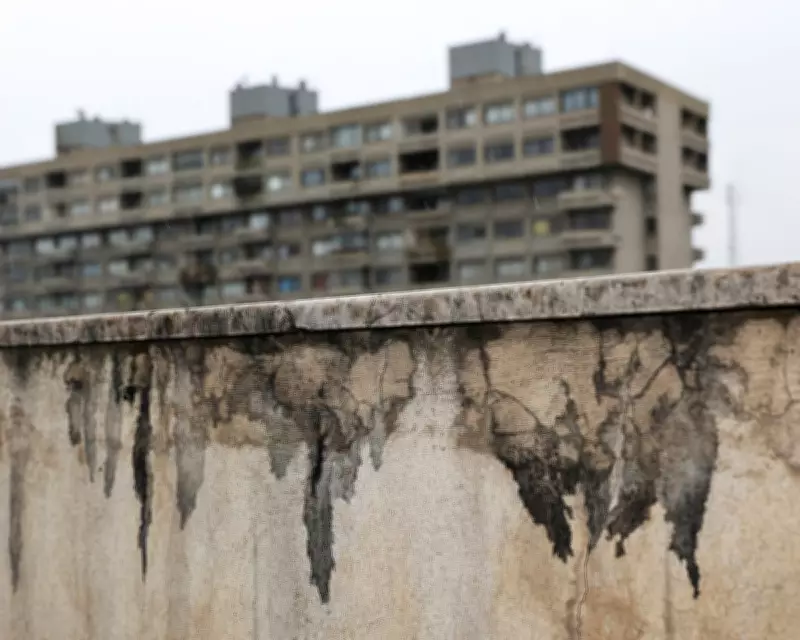
Black rain fell in Iran earlier this month, leaving dark soot on the ground in Tehran and serving as a grim reminder of the environmental consequences of warfare. This phenomenon, observed in other conflict areas, results from strikes on oil facilities that burn thousands of tons of stored fuel.
How Black Rain Forms
Unlike the clean combustion in engines, uncontrolled burning of fuel releases numerous particles of unburned material, creating a pall of toxic smoke. The particulate matter rises on hot updrafts from fires and seeds rainclouds, with particles acting as nuclei for raindrops. While this dirty rainfall can help clean the air, it deposits potentially harmful pollutants into the environment, including drinking water sources.
Historical Precedents and Dangers
Similar black rain occurred after oil wells in Kuwait were set ablaze during the 1991 Gulf war. The most severe instance was in Hiroshima a few hours after the atomic bombing, where radioactive ash mixed with water created a tar-like substance that burned exposed skin due to high radioactivity.

In Iran, the black rain is less dangerous but likely contains carcinogenic pollutants such as benzene, acetone, toluene, and methylene chloride. These substances pose health risks and may damage vegetation, including crops. If strikes continue and more oil sites are hit, black rain could recur, with after-effects persisting long after conflicts end.
Long-Term Environmental Impact
The incident underscores how warfare extends beyond immediate destruction, leaving lasting environmental scars. Monitoring and addressing such pollution is crucial for public health and ecosystem recovery in affected regions.