The Mexican government has unveiled a comprehensive strategy to tackle severe industrial pollution, including imposing a $4.8 million fine on a plant processing US hazardous waste and launching a pioneering air-monitoring network. This decisive action comes in response to investigative reports by the Guardian and Quinto Elemento Lab, which exposed alarming levels of heavy-metal contamination in Monterrey's neighbourhoods.
Investigations Trigger Government Response
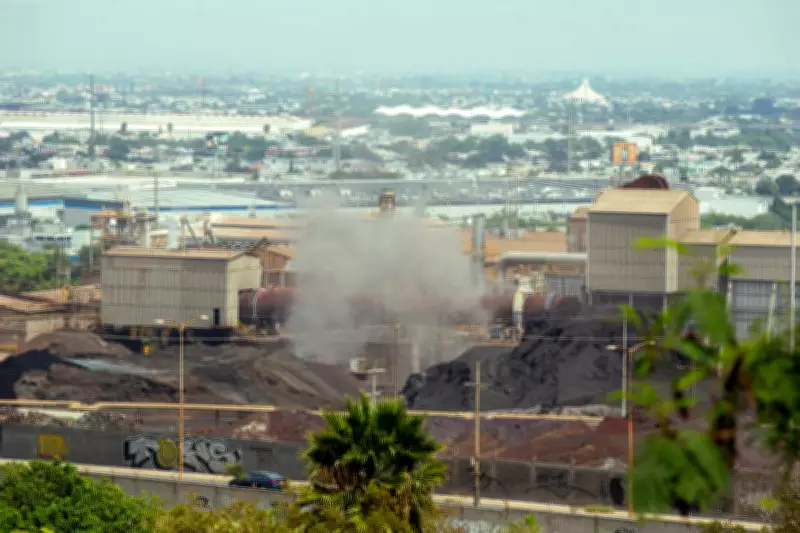
Those investigations uncovered that facilities in the Monterrey metropolitan area, a hub for manufacturing and recycling goods for the US market, are releasing toxic heavy metals into the air at rates exceeding totals reported in many US states. Additionally, carbon dioxide emissions from the region surpass those of nearly half the world's nations. The reports highlighted the Zinc Nacional plant as a focal point, with soil samples showing dangerous levels of lead, cadmium, and arsenic near schools and homes.
New Enforcement Measures Announced
In a recent announcement, authorities detailed a "watershed moment" in environmental enforcement. Mariana Boy Tamborrell, Mexico's federal attorney for environmental protection, stated that the moves, initiated after the stories were published in early 2025, include Zinc Nacional agreeing to address environmental damage. The company must undertake 24 corrective measures, such as relocating operations away from residential areas, building new containment facilities, and reforesting 12 acres of land.

The government also plans to establish a new atmospheric monitoring network for industry, described as "the first of its kind in Latin America." This system will measure emissions, including heavy metals, though details on its scope—whether for Monterrey or nationwide—remain unclear. Furthermore, Mexico's main environmental regulator, Semarnat, is updating air and soil contamination standards, some unrevised for decades, aiming to cut particulate matter emissions by 50%.
Mixed Reactions from Community and Experts
While experts like toxicology researcher Martín Soto Jiménez praise the agreement as a "historic step forward for environmental justice," some neighbours express disappointment. Ricardo González, a local resident, criticised the government for failing to properly assess the needs of vulnerable communities adjacent to the plant. Cristóbal Palacios called for transparency, urging regulators to publicly share remediation details and air emissions data.
Zinc Nacional, in a statement, acknowledged some contamination on its land but attributed it to a previous operator. The company claimed its emissions are "well below regulatory parameters" and emphasised efforts to reduce its environmental footprint. However, past disputes over soil sampling findings have raised doubts about accountability.
Broader Legislative and Activist Efforts
Beyond government actions, federal senator Waldo Fernández is drafting legislation to limit toxic waste imports and require heavy metal emission monitoring. Citizen groups are also mobilising, with one gathering signatures for a referendum on stricter air standards and another filing a lawsuit demanding a federal investigation into industrial air emissions in Monterrey. Activist Liliana Flores highlighted that air pollution in the area causes thousands of deaths annually, affecting all residents regardless of socioeconomic status.
This multifaceted response marks a significant shift in Mexico's approach to industrial pollution, driven by journalistic scrutiny and growing public demand for environmental justice and health protections.