Saharan 'Blood Rain' Linked to Fatalities Set to Increase Across Europe
An environmental expert has issued a stark warning that the phenomenon known as 'blood rain' – which has been linked to pollution-related deaths – is poised to become significantly more common throughout Europe due to the accelerating impacts of climate change. This eerie meteorological event occurs when fine dust particles from the Sahara Desert are lifted into the atmosphere, transported thousands of miles, and then deposited across the continent through rainfall, leaving a distinctive red-orange residue on surfaces.
An Increasingly Common Sight
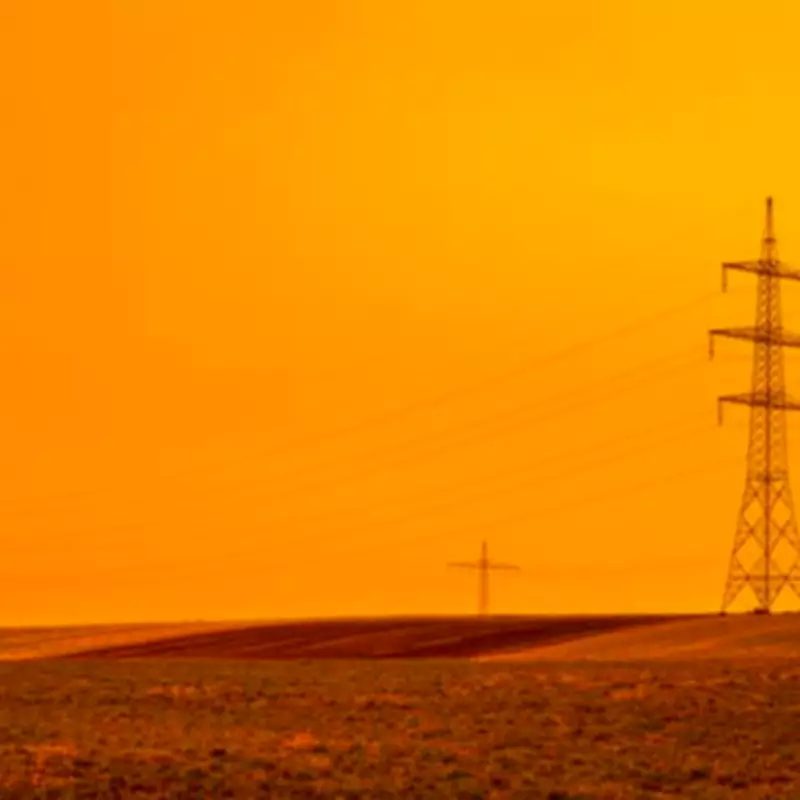
In recent years, residents across Spain, France, and the United Kingdom have witnessed increasingly frequent and unsettling atmospheric displays: deep orange sunrises and skies obscured by a persistent yellowish haze. These hazy conditions often precede the arrival of 'blood rain,' a rust-colored precipitation that leaves a fine, gritty film on vehicles, windows, and outdoor infrastructure.
Hossein Hashemi, a Senior Lecturer at the Centre for Advanced Middle Eastern Studies at Lund University, explains the direct connection to our changing climate. "As climate change alters the world’s largest desert, Europe is finding itself increasingly downwind of a shifting environmental crisis," he stated. While a significant portion of Saharan dust traditionally travels westward across the Atlantic Ocean, climate models indicate that growing quantities are now being carried northward into Europe, with peak activity typically occurring between the months of February and June.

Climate Change as a Catalyst
The mechanism driving this increase is clear and concerning. "On one hand, rising temperatures dry out soils and accelerate desertification, making it far easier for wind to dislodge fine particles," Hashemi elaborated. He provided a sobering projection, noting that under extreme global warming scenarios, the total volume of Saharan dust entering the atmosphere could surge by 40% to 60% by the year 2100.
The consequences extend far beyond mere curiosity or cosmetic nuisance. This dust poses a severe public health threat. Hashemi warned that Saharan dust events can "substantially degrade air quality, pushing levels of invisible particulate matter beyond health guidelines." These fine particles, scientifically categorized as PM10, are small enough to penetrate deep into human lung tissue, potentially triggering asthma attacks and exacerbating cardiovascular conditions.
A Silent Contributor to Mortality
The health impact is quantifiable and severe. Hashemi pointed to modelling studies which suggest that in countries like Spain and Italy, Saharan dust may be responsible for up to 44% of all deaths linked to PM10 air pollution. This establishes 'blood rain' not just as an atmospheric oddity, but as a silent contributor to regional mortality rates.
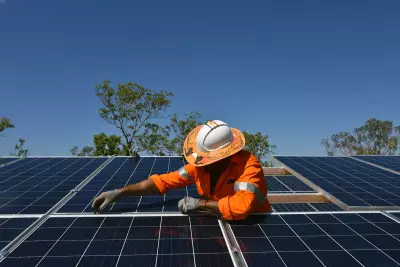
The environmental and economic disruptions are multifaceted. Beyond health, the dust reduces the operational efficiency of solar panels by coating their surfaces, and it can severely disrupt both aviation and road traffic by dramatically lowering visibility, creating hazards for transportation networks.
Preparedness and a Call for Action
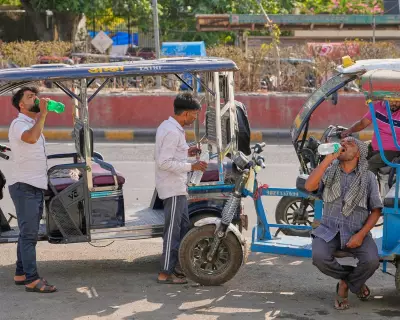
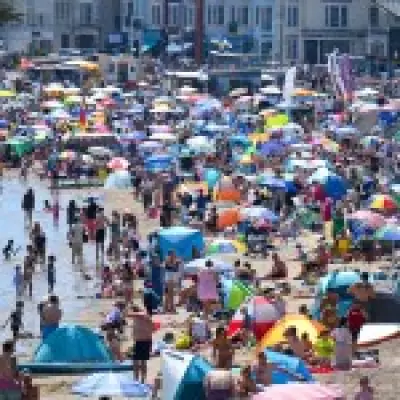
In response to the growing frequency of these events, meteorological agencies have developed early warning systems capable of predicting dust influxes up to 15 days in advance. This allows public health authorities to issue timely alerts, advising vulnerable populations—such as the elderly, children, and those with pre-existing respiratory conditions—to remain indoors during peak events to minimize exposure.
Hashemi concludes with a call for coordinated international action. "Whether orange skies remain a curiosity or become a regular feature of European life, governments throughout Europe and Africa must take this shared risk seriously." The increasing prevalence of Saharan 'blood rain' serves as a vivid, tangible indicator of how interconnected environmental crises are, demanding a unified and proactive response from nations across continents.