Triple-Threat Megastorm Scatters Snow, High Winds, and Thunder Across the United States
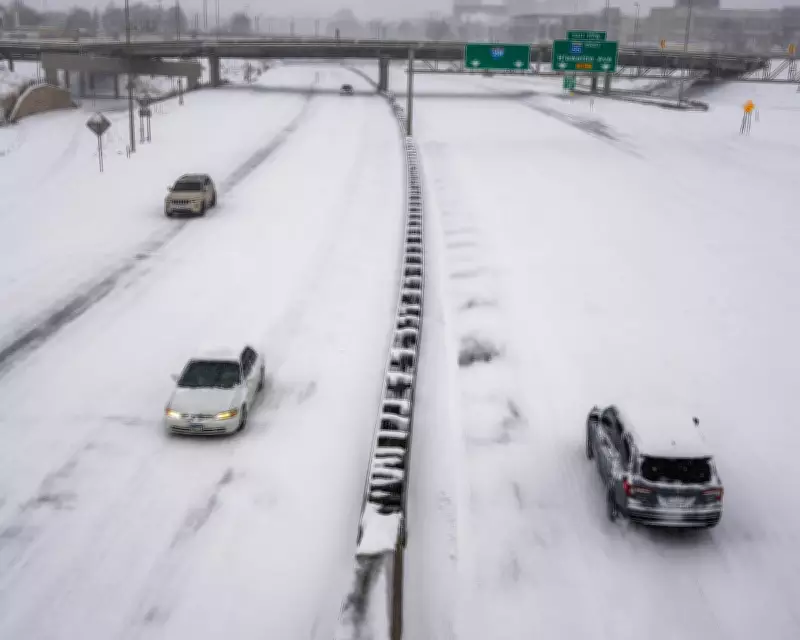
A formidable chain of severe weather events, dubbed a "triple-threat March megastorm," is currently sweeping across much of the United States, impacting nearly 200 million people. This powerful storm system is delivering a chaotic mix of blizzard conditions, damaging winds, and intense thunderstorms, leading to significant travel disruptions and widespread power outages.
Severe Weather Spreads Eastward, Threatening Eastern US
As erratic weather patterns continue to grip the nation, heavy snowfall has already rendered roads impassable in the upper Midwest, while high winds have swept across the Plains. Forecasters warn that the storm is now spreading eastward, with mid-Atlantic states and Washington DC facing the greatest risks from high winds and potential tornadoes by Monday.
Jonathan Porter, AccuWeather's chief meteorologist, emphasized the severity of the situation, stating, "The severe weather setup across parts of the mid-Atlantic can be volatile on Monday if several atmospheric factors conspire together, which may produce one of the most impactful and dangerous early-season severe weather events in this part of the country over the last decade." Hazards include damaging straight-line winds and the possibility of intense tornadoes near Baltimore, Washington DC, Virginia, and North Carolina.

Snowfall and Blizzard Warnings in the Midwest
In the upper Midwest, more than 20 inches (50 cm) of snow has fallen in parts of southeastern Minnesota and western Wisconsin, with blizzard warnings in effect for areas including Minneapolis. Snowplow drivers, like Aaron Haas in Wisconsin, report this as one of the worst storms in years, with visibility severely reduced on highways. Jim Allen from Michigan's Upper Peninsula described preparations to hunker down, with families stocking up on necessities and readying snow-clearing equipment.
Travel has been heavily impacted, with over 600 flights canceled at Minneapolis-Saint Paul International Airport on Sunday, according to FlightAware. Additional cancellations were reported in Detroit, and commuters in cities like Chicago and Milwaukee are expected to face difficulties on Monday due to snow accumulations.
High Winds and Thunderstorms Extend Reach
The National Weather Service has issued warnings for a line of severe storms with damaging winds crossing the eastern US by late Monday. From South Carolina to Maryland, areas including Raleigh, North Carolina; Richmond, Virginia; and Washington DC are at highest risk for damaging winds. The threat extends north to New York and south to Florida, with thunderstorms possible in New England.
Further north, from New York City into southern New England, flooding downpours are a concern, with some spots potentially receiving 0.5 to 1 inch of rain in less than an hour, leading to urban flooding. In the Great Lakes region, over 210,000 utility customers were without electricity as of Sunday afternoon, with outages originating from gusts reaching 85 mph (135 km/h) on Friday.
Wildfires and High Winds in the West
In Nebraska, about 30 National Guard members have been deployed to combat multiple wildfires that have damaged over 900 square miles (2,330 sq km) of range and grassland. One fatality has been reported, and Governor Jim Pillen urged residents to follow evacuation orders amid extraordinary winds. The weather service issued a high-wind warning for most of Nebraska, with gusts up to 60 mph (97 km/h) possible.
High winds are affecting a broad region from the US-Mexico border to the Great Lakes and from Denver eastward to the Appalachian Mountains, exacerbating the storm's impact across the country.
This megastorm, ranking among the most impactful US weather events of the year so far, underscores the unpredictable nature of early-season weather and the need for continued vigilance as it progresses.