Why is the UK So Wet? The 'Blocking' Phenomenon Causing Rain to 'Stall' Over the Country
With 26 weather stations setting new monthly records for the highest January rainfall and more than 150 flood alerts in force, the Met Office has described a sense of winter being "stuck on repeat" across the United Kingdom. This persistent wet weather is attributed to a meteorological phenomenon known as a "blocking pattern", which is disrupting the usual flow of weather systems and causing rain to linger over the nation.
Understanding the Blocking Pattern
Blocks are defined as "areas of high pressure that remain nearly stationary and distort the usual progression of pressure systems", according to the Met Office. This pattern has settled over northern Europe, effectively preventing weather fronts from clearing and causing the rain to stall over the UK. Normally, a jet stream allows weather systems to move across Europe, but when a large area of high pressure gets stuck, it blocks low-pressure systems from moving through, leading to continuous waves of precipitation.
Met Office chief forecaster Neil Armstrong explained, "The result has been continuous waves of rain, strong winds, and hill snow in parts of Scotland." This event has created a prolonged period of unsettled conditions, with the persistent rain causing hundreds of homes to flood and putting many more at risk.

Flood Warnings and Impacts
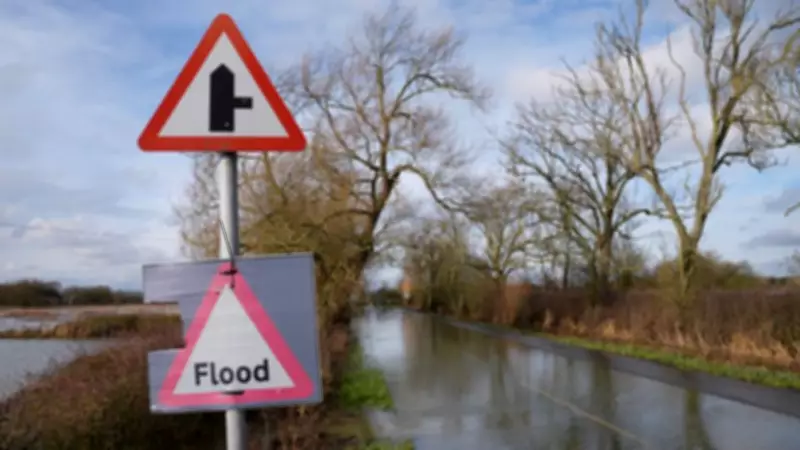
On Tuesday night, the Environment Agency had 97 flood warnings in place across England, with two additional warnings in Scotland. A further 150 flood alerts, indicating that flooding is possible, were in force across England, along with seven in Scotland and one in Wales. The EA is urging the public to remain vigilant against floods after at least 300 homes were flooded in England.
Andrew Hitchings, flood duty manager at the Environment Agency, stated, "With another band of rain on its way, we need the public to remain vigilant to the risk of flooding. As well as significant groundwater remaining likely in parts of Dorset and Wiltshire, there are risks of significant river flooding impacts on the Somerset Levels, with minor river flooding impacts expected in parts of the East Midlands and probable in Worcestershire and Gloucestershire."
He added that 16,000 homes and businesses have been protected so far, but sadly 300 have suffered flooding, with the agency's thoughts with those affected communities. Teams are continuing efforts with pumps, temporary barriers, and clearing waterways to ensure flood water can drain away. Hitchings also warned, "It is extremely dangerous to drive through flood water - we urge drivers not to do so."
Record-Breaking Rainfall Statistics
Across the UK, 26 weather stations set new monthly records for the highest January rainfall, according to the forecaster. Northern Ireland endured its wettest January in 149 years, highlighting the severity of the conditions. Daily rainfall records were also broken, with weather stations in Plymouth, Dorset, and Devon recording their wettest January day for 104 years, 74 years, and 57 years respectively.
The theme has continued into February, with England already recording 59% of its usual rainfall for the month, rising to 72% in the South. A number of observing sites, mostly clustered in the South West, have recorded rain every day this year. In Scotland, areas such as Aberdeen have already had 180% of its typical February rainfall, Kincardineshire 152%, and Angus 130%. A yellow weather warning for rain remains in effect for parts of eastern Scotland throughout Tuesday.
Future Weather Outlook
With Britain facing rain every day in 2026, meteorologists say the downpours are set to continue. Steven Keates, deputy chief forecaster with the Met Office, provided an update: "In the near term, the unsettled theme is expected to continue, with further showers or longer spells of rain for most. We are likely to see the transition from wet and windy weather to colder, more settled conditions towards the end of the week, with Saturday looking a fine day for many. But, this reprieve doesn't last long, as the next set of Atlantic weather fronts looks set to move in from the west at the end of the weekend."

This ongoing situation underscores the significant impact of the blocking pattern on UK weather, leading to widespread disruption and highlighting the importance of staying informed and prepared for further rainfall and potential flooding.