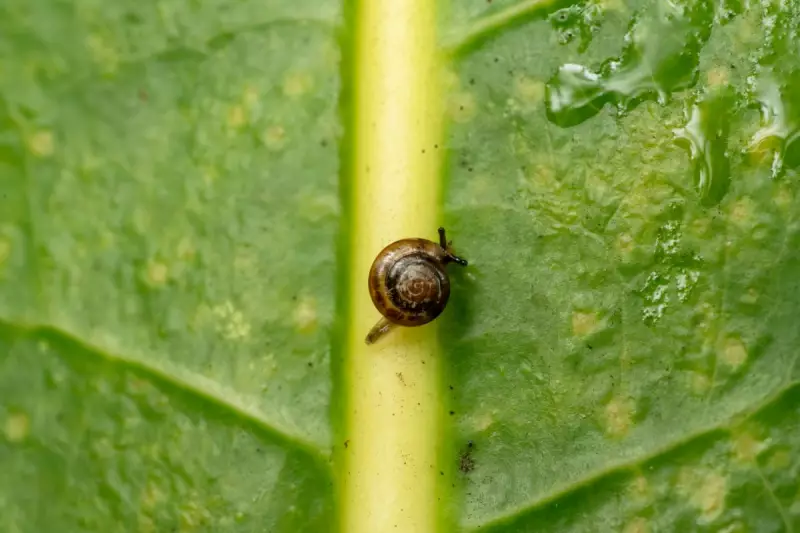
In a landmark conservation effort, an Australian research team has successfully executed what is believed to be the nation's first large-scale snail translocation. The ambitious mission aimed to pull the Campbell’s keeled glass-snail back from the very brink of extinction, officially listed as extinct since 1996.
From Extinction to a Second Chance
The story of this tiny mollusc's salvation began in 2020, amidst global Covid-19 lockdowns. Dr Isabel Hyman, a malacologist at the Australian Museum, received surprising photographs from Norfolk Island citizen scientist Mark Scott. The images showed a large, unusual snail, which Hyman instantly identified as Advena campbellii – a species thought lost to the world. A subsequent trip to the island confirmed the miraculous find: a small surviving population hidden in a sheltered valley.
This discovery sparked a five-year rescue plan. In 2021, 46 of the snails were flown to a specialised captive breeding facility at Taronga Zoo in Sydney. Breeding the species presented unique challenges; the snails give birth to live young from the side of their necks approximately every fortnight. Initial progress was slow, with deaths in the sensitive founding population nearly matching births. However, dedicated care eventually saw the captive colony flourish, growing to over 800 individuals by mid-2024.

The Snails' Long Journey Home
In early June 2024, the critical phase began. Hundreds of the thumbnail-sized snails were carefully packed into four 'LIVE ANIMALS' crates and flown 1,700 kilometres from Sydney to Norfolk Island. Awaiting them was PhD student Junn Kitt Foon, who would monitor their reintroduction.
The homecoming was not without tragedy. After arrival, a mould outbreak in their holding tanks caused a mass die-off, killing 260 of the original 600 snails. Despite this setback, the team pressed ahead. In late July, the 340 survivors were released into a carefully selected, pristine valley within the Norfolk Island National Park. The site, chosen for its ideal humidity and temperature, was equipped with an irrigation system and protected from invasive predators like rodents and feral chickens.
High Hopes for a Tiny Invertebrate
Each released snail was painstakingly tagged for monitoring. In the initial weeks, Foon conducted regular surveys, spotting individuals before they became harder to find as they likely dispersed into the wider forest. "We have high hopes," says Dr Hyman, noting that the discovery of baby snails at the site is a promising sign. The team is already planning a second round of reintroductions for 2026.
This project shines a vital spotlight on invertebrate conservation, a group often overlooked. "To have these snails front and centre as part of our conservation actions … has been really rewarding," said Melinda Wilson, Natural Resources Program Manager at the national park. Furthermore, the researchers are now preparing documentation to formally update the species' IUCN Red List status from 'Extinct' – a monumental paperwork exercise marking a genuine victory for biodiversity.