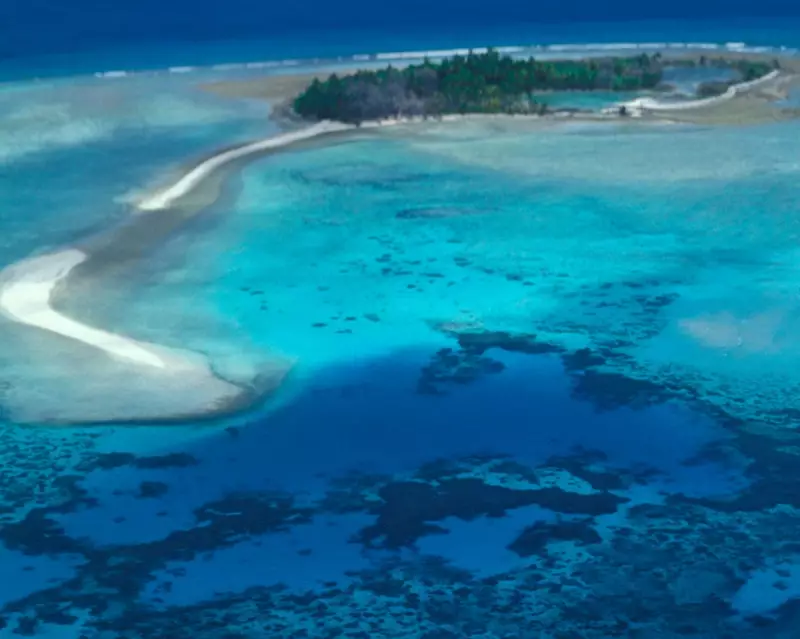
An aerial perspective of Diego Garcia reveals a landscape of unparalleled ecological integrity. As noted by experts, it is not merely the diversity or quantity of species that distinguishes the Chagos archipelago, but rather the ecosystem's remarkable state of near-natural functioning. This pristine condition has been meticulously preserved, making it a critical benchmark for scientific study.
The Irreplaceable Value of a Tropical Wilderness
Clive Hambler, a lecturer in biological and human sciences at the University of Oxford, emphasises that the Chagos region stands as the best-protected large tropical ecosystem on Earth. Its significance extends beyond mere conservation; it serves as an invaluable resource for ecological science, offering insights into how to repair and safeguard other threatened environments worldwide. The potential loss of this pristine state, Hambler argues, represents a biodiversity catastrophe comparable to the extinction of iconic species like the dodo, yet it often receives insufficient attention in political discourse.
Mauritian Plans and the Risk of Irreversible Damage
Mauritius has outlined intentions for fishing and other forms of exploitation in the Chagos Islands, following discussions about the transfer of sovereignty from the UK. These plans, however, are fundamentally at odds with the protection of this last great tropical wilderness area. The ecosystem's near-natural functioning, which allows it to operate without significant human interference, is particularly vulnerable to such activities. Exploitation could lead to irreversible destruction, undermining decades of preservation efforts and diminishing the region's scientific and ecological value.

Hambler cautions that if politicians were to endorse these exploitative measures, any future claims they make regarding biodiversity conservation would be rendered hollow. The decision to prioritise short-term economic gains over long-term environmental stewardship could set a dangerous precedent, jeopardising not only the Chagos Islands but also global conservation initiatives. Protecting this unique ecosystem is essential for maintaining biodiversity and advancing our understanding of natural processes in a rapidly changing world.