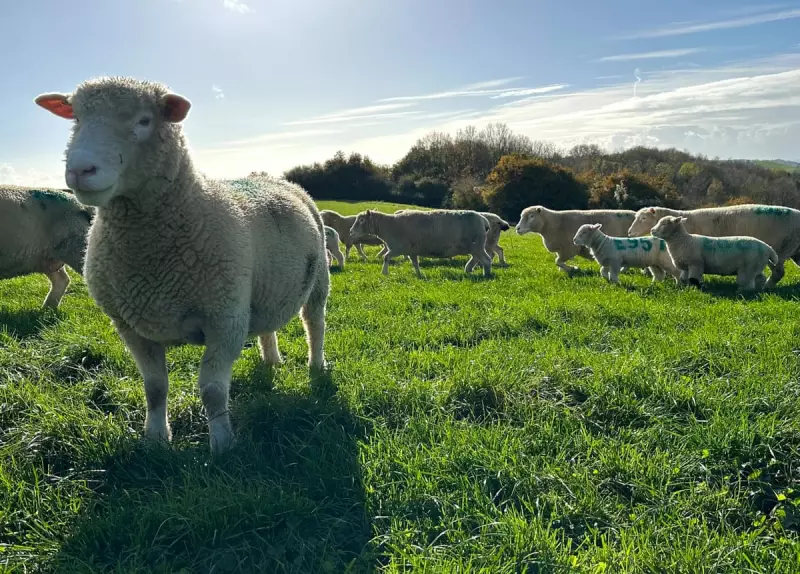
Lambs in November: Defying the Seasons in Dorset
While the image of newborn lambs is synonymous with spring, the rolling hills near Bridport in Dorset present a surprising spectacle each autumn. Here, chubby, white-faced lambs can be seen leaping and playing on sunny hilltops well into November.
This is not a modern agricultural innovation but a centuries-old local phenomenon. For hundreds of years, sheep from west Dorset and south Somerset have possessed a unique genetic trait that allows them to lamb out of the traditional season.
This obscure genetic quirk enables healthy ewes to have three pregnancies in just 24 months with careful flock management. This remarkable characteristic has defined the area's sheep farming for generations.

The Birth of a Breed: From Local Rivalry to Royal Patronage
The sheep's distinctive qualities were formally recognised during the Victorian era. Local shepherds, proud of their flocks, competed to have the breed named after their own county.
In 1891, Dorset won this friendly rivalry when farmers near Bridport established the Dorset Horn Sheep Breeders' Association. The breed's reputation was so esteemed that it attracted the patronage of Queen Victoria herself, cementing its status in British agriculture.
The flock observed for this article holds a particularly prestigious place in this history. It is part of the world's longest-established Dorset Horn flock, first registered in 1906 by Frederick Fooks. Today, his great-grandson, Francis Fooks, manages the farm alongside his brothers and nephews, continuing a family legacy that spans over a century.
Horns, Polls, and Pink Noses: The Anatomy of a Special Sheep
Watching Francis Fooks work with his border collie, Bea, to herd the animals, the two variants of the breed are clear. About a third of the adults are true Dorset Horns, sporting impressive horns that spiral downwards like scaly ammonites in front of their ears.
The others are Poll Dorsets, a closely related hornless variant. "The Polls are easier to manage," Francis explains. "They don't get hooked up on things, or bash you in the legs. But there's something about the Horns; they are very pleasing to the eye."
Both types share distinctive white faces with rosy-pink nostrils and lips. This is a genetic legacy from the now-extinct pink-nosed Somerset sheep, a breed lost to the regional rivalries of over a century ago.
These modern animals are sturdy and well-covered in thick, creamy fleece, which is highly valued for felting. Some of their wool is sent to a specialist firm in Yorkshire to create biodegradable coffins, adding a modern, sustainable application to this traditional breed.
The lambs born in September grow rapidly, becoming large and sturdy by the time they are weaned in January. By then, the lambing cycle begins anew with another portion of the flock, returning to a more conventional spring schedule and completing the unique annual rhythm of a Dorset farm.