

Cave Explorer Discovers New Geckos in Cambodia's Karst Landscapes
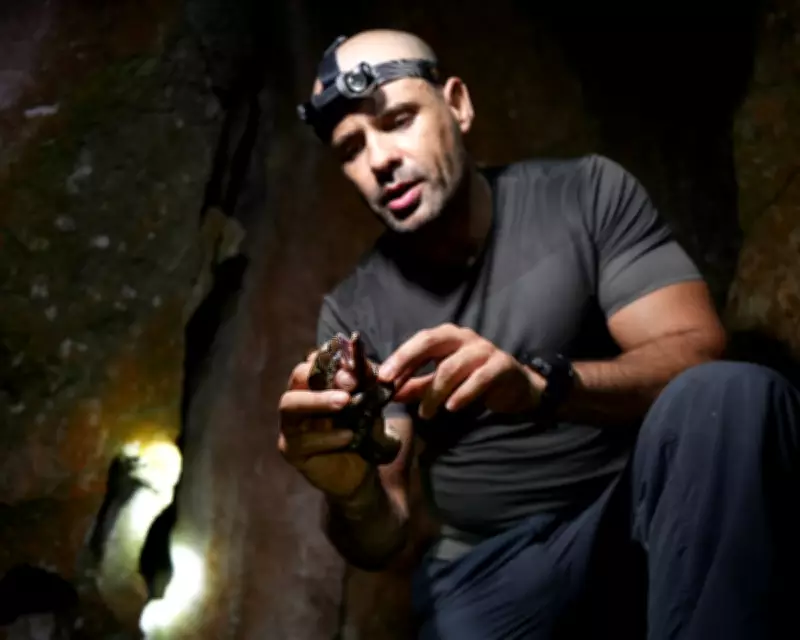
Conservationist Pablo Sinovas recently made a remarkable discovery in the limestone caves of Cambodia's Battambang province. Leading an international team from the charity Fauna & Flora, Sinovas identified three previously unknown gecko species, along with two micro-snails and two millipedes, during extensive nocturnal surveys of more than 60 caves across 10 hills.
The Alien World of Karst Caves
Entering these caves is not for the faint-hearted. The first thing that hits you is the smell of guano—bat droppings—from colonies that can number in the millions. In the pitch-black darkness, the chirping of bats echoes through cathedral-like galleries, while water drips from walls covered with tailless whip scorpions, millipedes, and centipedes. The entire ecosystem thrives on guano, dead bats, and other organic matter, creating a unique and isolated environment.
Karst landscapes, formed by water eroding limestone over millennia, act as "island laboratories" of evolution. Species adapt to specific caves and cannot disperse between them, leading to genetic divergence over thousands or even millions of years. This isolation makes each hill a potential hotspot for undiscovered biodiversity, though many of these creatures remain overlooked and neglected.

The Discovery Process
The research team, comprising about 20 experts from Cambodia, Thailand, and the United States, conducted surveys at night when animals are most active. They worked from just after sunset until after midnight, navigating narrow passages and vast chambers. Among their finds were geckos with brown and white stripes, measuring about 20 centimeters long—far larger than common house geckos. One species was named "night wanderer" for its nocturnal habits, while another had a bite strong enough to draw blood.
Describing new species is a meticulous and sometimes difficult process. It involves collecting specimens, administering a lethal dose of anaesthetic for study, and analyzing details like scale counts, tail size, and DNA. While the team regrets having to kill specimens, this step is essential for scientific documentation and protection, as species could otherwise disappear before being formally recognized.
Urgent Conservation Needs
The ultimate goal of this research is to protect these fragile ecosystems. Karst hills are in high demand for cement production, and destroying even one could wipe out entire species found nowhere else on Earth. The vast majority of these landscapes lack protection, and the threat is global and imminent. Sinovas emphasizes that these hills are not just rocks but unique evolutionary laboratories that have nurtured life for millions of years.
The thrill of exploration serves as a powerful tool to advocate for conservation. By showcasing the wonder of these newly discovered creatures, Sinovas hopes to inspire efforts to safeguard their only home. The discoveries underscore the importance of preserving biodiversity in the face of industrial pressures, reminding us that every species has a story worth protecting.






