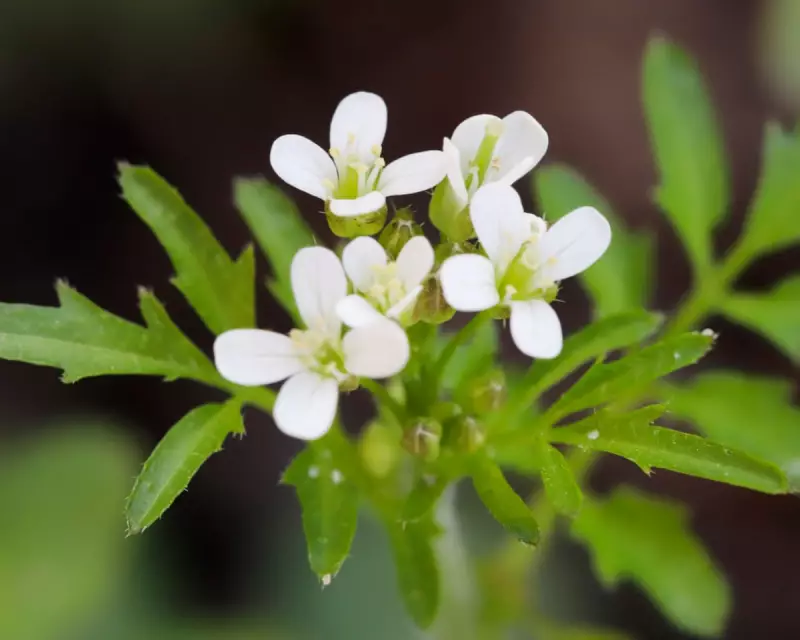
In a fascinating discovery that sheds light on the hidden world of plant interactions, a recent study has demonstrated that plants can actively warn each other about incoming stress through airborne chemical signals. The research, focusing on Arabidopsis thaliana, commonly known as thale cress, reveals how neighbouring plants collaborate to bolster their defences, offering new insights into plant biology and resilience.
The Experiment: Crowded vs. Isolated Plants
The study involved growing thale cress plants under two distinct conditions: some were cultivated in isolation, while others were placed in crowded groups where they were physically touching each other. This setup allowed researchers to observe how proximity influences plant responses to environmental challenges.
Stress Response Under Intense Light
When subjected to intense light stress, the results were starkly different between the two groups. The isolated plants suffered severe damage, struggling to cope with the harsh conditions. In contrast, the crowded plants exhibited a remarkable ability to withstand the stress, showing minimal harm.

Further analysis uncovered the mechanism behind this disparity. Within just an hour of exposure, the crowded plants activated over 2,000 genes associated with protection against various stresses. This rapid genetic response enabled them to mount a robust defence. Meanwhile, the isolated plants displayed little to no additional gene activity, leaving them vulnerable to the stressor.
Chemical Communication: The Role of Hydrogen Peroxide
The key to this coordinated defence lies in chemical signalling. Plants are known to communicate using airborne chemicals, and this study identified hydrogen peroxide as a critical messenger in this process. The crowded thale cress plants were found to release hydrogen peroxide, a chemical that triggers defensive preparations in plants.
This marks the first time hydrogen peroxide has been documented passing from one plant to another to convey stress warnings. The signal effectively primes neighbouring plants to gear up their defences, creating a communal shield against threats like intense light, drought, or pathogens.
Implications for Plant Biology and Ecology
This discovery enhances our understanding of plant communication and social behaviour. It suggests that plants in natural ecosystems may rely on such chemical dialogues to enhance survival, particularly in dense populations where resources and threats are shared.
The findings could have broader applications in agriculture and environmental science, potentially informing strategies to improve crop resilience through better planting arrangements or chemical interventions. By harnessing these natural communication pathways, we might develop more sustainable ways to protect plants from stress without heavy reliance on pesticides.
In summary, the study underscores that plants are far more interactive and responsive than previously thought, using sophisticated chemical networks to support each other in times of need. As research continues, it may unveil even more complex aspects of plant intelligence and cooperation in the natural world.