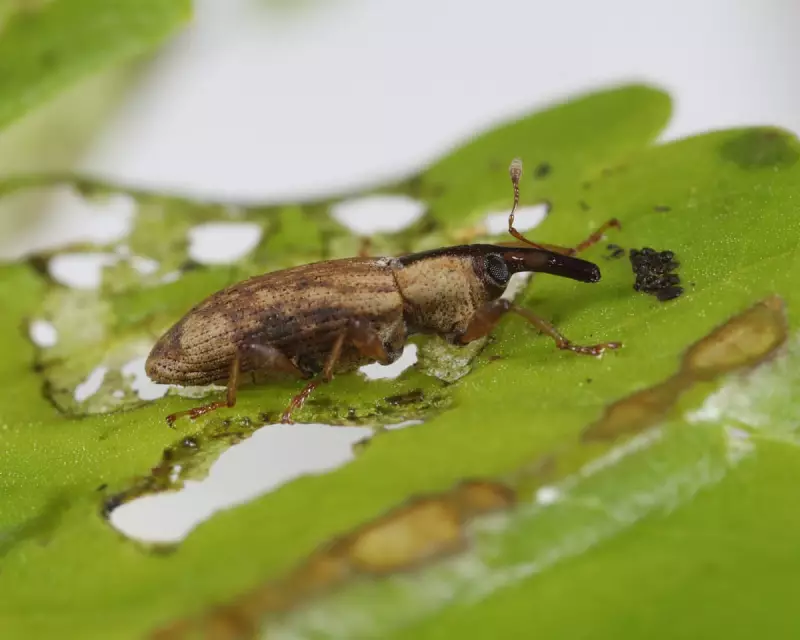
In a novel approach to environmental management, the UK government is deploying a tiny army of insects, fungi, and crustaceans to combat destructive invasive species. Scientists are breeding and releasing specialised biological control agents to target non-native plants and animals that choke rivers, outcompete wildlife, and cost the economy billions.
The Biological Brigade: Weevils, Fungi and Psyllids on the Frontline
Government researchers at the Animal and Plant Health Agency (Apha) and the Centre for Agriculture and Bioscience International (Cabi) are leading the charge. Their strategy involves identifying and rearing natural predators of specific invasive species, then releasing them into affected ecosystems.
A key target is floating pennywort, a fast-growing plant that blankets and suffocates waterways. To tackle it, scientists are releasing the South American weevil, Listronotus elongatus. Early results are promising, with reduced plant biomass observed at sites where the weevils have established over several winters.

For the notorious Japanese knotweed, Cabi is using a psyllid insect called Aphalara itadori, which feeds on the plant. Similarly, trials are underway using the rust fungus Puccinia komarovii var. glanduliferae to attack Himalayan balsam, which invades riverbanks. Defra reports encouraging initial results from these fungus releases.
"Once the biocontrol agent is working properly, it should start to spread naturally... and bring that population of the non-native species down," explained Olaf Booy, deputy chief non-native species officer at Apha. He highlighted that successful agents eventually reduce the need for intensive human intervention.
Creating 'Ark Sites' to Rescue Native Wildlife
The fight isn't just about introducing new species; it's also about protecting native ones from invasion. A major casualty has been Britain's native white-clawed crayfish, decimated since the American signal crayfish was introduced in the 1970s. The invader carries a deadly plague and outcompetes its native cousin.
In response, conservationists have created protected "ark sites"—safe habitats free from the invasive crayfish. A new hatchery in Yorkshire and an expanded facility run by the Wildwood Trust in Devon are breeding native crayfish for release into these secure locations. In Gloucestershire alone, over 1,500 breeding-age crayfish have been moved to eight safe sites.
Future Threats and Ambitious Government Targets
Officials remain vigilant about new potential invaders. Olaf Booy expressed particular concern about raccoons and raccoon dogs, which are kept as pets and are adept escape artists. These medium-sized predators could threaten amphibians and small birds, and potentially act as disease vectors. Currently, owners are not required to register them, though breeding and sales are banned.
Booy warned that social media trends depicting raccoons as cute pets could fuel demand, drawing a parallel to the 1990s terrapin craze sparked by Teenage Mutant Ninja Turtles.
This biocontrol push supports ambitious government goals. The Department for Environment, Food and Rural Affairs (Defra) has directed Apha to reduce the establishment of invasive species by 50% by 2030, as part of its environmental improvement plan. The economic incentive is clear: invasive non-native species cost Britain's economy nearly £2 billion a year.
Biosecurity Minister Sue Hayman stated: "With a changing climate we are constantly assessing for new risks and threats... Invasive non-native species cost Britain’s economy nearly £2bn a year, and our environmental improvement plan sets out plans to reduce their establishment to protect native wildlife and farmers’ livelihoods."