Office Beehives Buzz Across UK Workplaces to Boost Mental Health and Team Spirit
Across the United Kingdom, a quiet revolution is taking place during lunch breaks. The familiar rustle of sandwich wrappers at desks is increasingly being replaced by the gentle hum of bees, as employers from Manchester to Milton Keynes install hives on rooftops, in courtyards, and even in car parks. This growing trend sees beekeeping not as a novelty, but as a strategic tool to alleviate workplace stress, foster community, and reconnect employees with nature in an era dominated by hybrid work patterns and widespread burnout.
A Spiritual Connection to Nature and Business
Chris Payne, co-founder of Green Folk Recruitment, eloquently captures the deeper appeal. "There's something very special – almost spiritual – about enabling your employees to take time away from work to see how nature has created the greatest example of how every business should run," he explains. Payne draws a direct parallel between hive dynamics and corporate success. "If every organisation ran like a beehive – with shared, purpose-driven goals, decentralised decision-making where individuals act autonomously for the collective good, and honest communication – it would be a very successful business indeed."
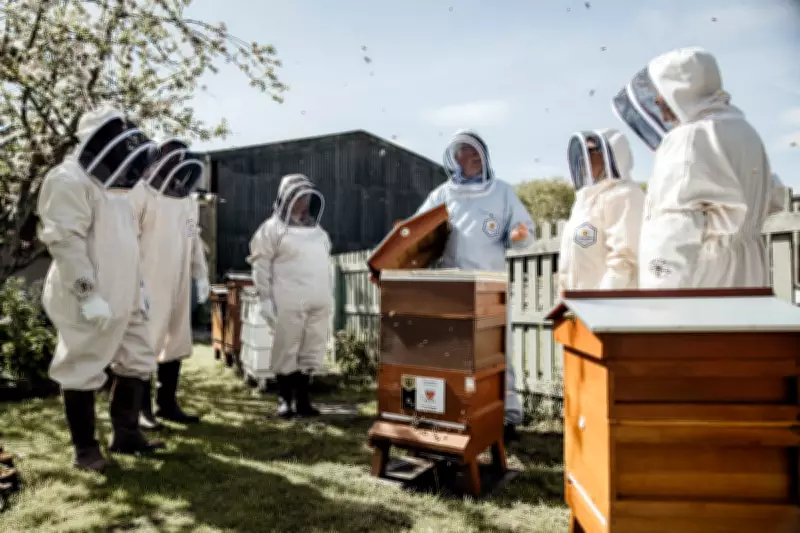
Twice annually, Payne leads his team on a four-hour round trip to Buckley's Bees in Crewe, Cheshire. Here, they immerse themselves in beekeeping workshops and learn the craft of hive construction. "When we're qualified, we'll bring the hives we've built back to our offices," he shares with anticipation. "It will be a magical moment."

Providers Report Surging Demand and Tangible Benefits
The market for these corporate apiaries is flourishing. Emma Buckley, Chief Executive of Buckley's Bees, now serves approximately 24 UK clients and over 10 international ones. Her business is expanding so rapidly that she is actively recruiting additional staff. "Our motivation is improving people's mental health, which employers increasingly understand is closely linked to nature," Buckley states. She describes the transformative effect on workshop participants: "It's amazing to see the engagement on people's faces as soon as we start talking about bees: they get completely lost in the world of bees and forget all about their troubles."
Buckley's Bees enhances the experience by installing cameras inside office hives, allowing employees to observe the intricate world of bees directly from their computer screens. "We even have one company that livestreams into their break room," she adds.
Mark Gale, founder and managing director of BeesMax Ltd, echoes the profound impact. He manages hives at prestigious locations including the QEII Centre in London, video games developer Codemasters, and the DoubleTree by Hilton hotel chain. "It's like nothing else you could possibly experience during a working day," Gale reflects. "One minute employees are eating their sandwiches at their desk – and the next, they're in full body suits with 10,000 bees flying around them." He characterises the activity as calming, educational, and uniquely bonding—a rare collective act of caring for something fragile and alive, away from digital screens.
Gale notes that demand has increased organically through word of mouth, compelling him to hire new, full-time staff to manage the workload.
Beyond Novelty: Purposeful Perks and Environmental Stewardship
Advocates argue that office beekeeping offers far more than a quirky distraction. It addresses core workplace challenges: enhancing wellbeing, facilitating team building, and providing tangible evidence of a company's environmental commitment to both staff and clients.

In a corporate landscape where perks often default to gym subsidies or complimentary snacks, nature-based experiences are perceived as refreshingly purposeful. Phillip Potts, General Manager of Park House on London's Oxford Street—which features a rooftop apiary—contrasts traditional benefits with the beekeeping initiative. "A gym discount or fruit bowl is nice, but the bees create a shared story and a sense of stewardship," he observes. The building's queen bee, affectionately named Philippa, has even developed a cult following among tenants. "Our tenants say it is the most unusual and memorable workplace perk they have experienced," Potts adds.
Damson Tregaskis, founder of Hive5 Manchester, has also witnessed a significant uptick in enquiries. "Employers want to encourage workers to connect more with nature," she confirms, highlighting a shift in corporate priorities towards holistic employee welfare.
Navigating Biodiversity Concerns and Greenwashing Risks
However, as the popularity of office apiaries grows, so does scrutiny of their environmental impact. Ecologists and conservation groups caution that the rapid proliferation of managed honeybee colonies, particularly in urban and suburban settings, may not be an unequivocal positive for local biodiversity.
The concern is that in areas with limited green space—from regional cities to market towns—dense populations of honeybees could compete with native wild bees, butterflies, and hoverflies for scarce nectar and pollen resources, potentially exacerbating the decline of these vital insect populations.
Providers are acutely aware of this delicate balance. Tregaskis acknowledges encountering companies whose primary interest might be perceived as superficial environmental marketing, or greenwashing. "I know really big companies who have been interested but their motivation has been, for want of a better word, greenwashing," she admits. Nevertheless, she believes in the potential for meaningful engagement: "Even in these cases, though, you can connect with the people on the ground and make sure you make a real difference."
Emma Buckley of Buckley's Bees is similarly vigilant, citing research on competition between species. "We're careful not to take on any business in locations that are densely populated or already have a lot of beekeepers," she explains, demonstrating a responsible approach to hive placement.
A Symbol of Modern Workplace and Environmental Anxieties
Ultimately, the rise of the office apiary reflects two pressing contemporary concerns: the urgent corporate drive to enhance employee wellbeing and the growing pressure on businesses to demonstrate proactive environmental stewardship as nature declines. In the quiet hum of bees during a lunch break, these two ambitions converge, offering a momentary respite and a shared sense of purpose. As this trend continues to spread, it prompts a broader conversation about how workplaces can genuinely integrate nature, community, and sustainability into their core operations.