UN Report Warns of Rapid Collapse in Epic River Fish Migrations
A groundbreaking United Nations assessment has uncovered a dire crisis unfolding beneath the world's rivers, with freshwater fish populations crashing by an alarming 81% since 1970. The report, led by Dr. Zeb Hogan from the University of Nevada, highlights the rapid disintegration of epic migratory journeys that rank among the planet's greatest natural wonders.
The Wonders and Perils of Freshwater Migrations
Dr. Hogan emphasized the hidden scale of these phenomena, stating, "It's very hard to imagine what's going on beneath the water when you look at a river – but you have billions of fish making these epic migrations, some of the largest animal migrations on Earth." A prime example is the dorado catfish, which undertakes a staggering 7,000-mile round-trip from the Andes foothills to the Amazon estuary. These silver-gold giants can grow up to 2 meters long, showcasing the incredible diversity of migratory species.
However, such migrations are under severe threat globally. Freshwater ecosystems are exceptionally vulnerable to human activities, including pollution runoff, dam construction that blocks vital waterways, and rampant overfishing. The climate crisis exacerbates these pressures by elevating water temperatures, further stressing fish populations.

International Cooperation as a Critical Solution
Amy Fraenkel, Executive Secretary of the UN's Convention on the Conservation of Migratory Species (CMS), underscored the urgency, noting, "Animal migration is one of nature's great wonders. Their journeys, which can cross multiple national borders and even continents, are extraordinary feats of timing and endurance. But these species face mounting pressures at every stage of their life cycles. International cooperation is essential to ensure that such species survive and thrive."
Migratory freshwater fish support some of the world's largest inland fisheries, sustaining hundreds of millions of people. For instance, Cambodia's Tonlé Sap lake, part of the Mekong river system, hosts over 100 migratory species, with local fishers sometimes catching several tons of fish in just an hour. Yet, these species are among the most imperiled wildlife on Earth.
Global Response and Basin-Specific Challenges
This week, 132 CMS member countries are convening in Brazil, a key stronghold for migratory fish due to its relatively undeveloped Amazon basin. The summit aims to enhance international cooperation, with proposed measures including:
- Removing or preventing barriers in rivers
- Ensuring adequate water flows
- Tackling pollution sources
- Coordinating fisheries catches across borders
The report assessed data on more than 15,000 freshwater fish species, identifying 325 that cross borders and qualify for protective action. To date, only 24 have been listed, mostly sturgeon targeted for caviar. Michele Thieme of WWF-US warned, "Rivers don't recognise borders – and neither do the fish that depend on them. The crisis unfolding beneath our waterways is far more severe than most people realise, and we are running out of time."
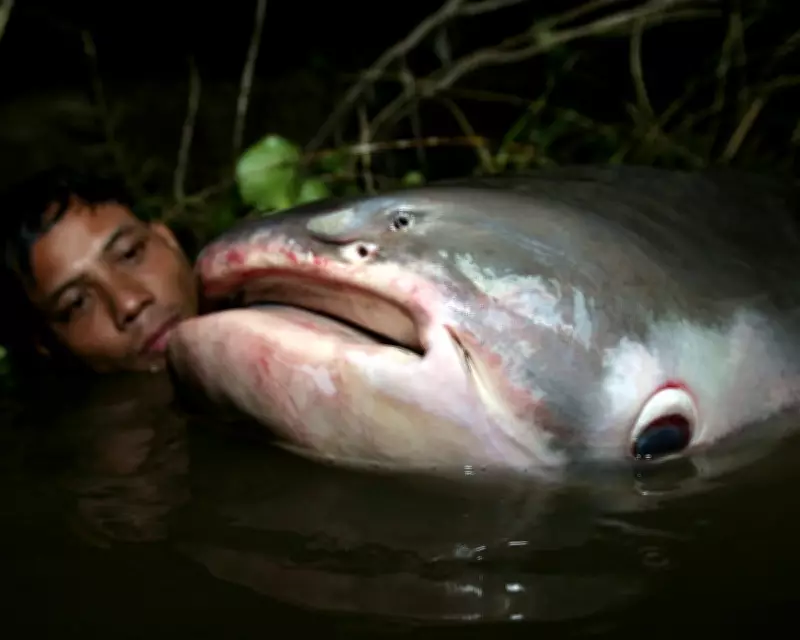
Specific river basins face acute threats. In the Mekong, all large migratory freshwater fish, including the colossal giant catfish, are at risk of extinction, with key nations like Thailand and Cambodia not yet CMS members. The Amazon basin offers hope, with Brazil proposing a decade-long action plan for migratory catfish as a model for other regions. Conversely, the Chinese paddlefish in the Yangtze river has already gone extinct, blamed on dam construction.
Broader Implications and Future Outlook
The collapse of river migrations represents a largely overlooked biodiversity crisis, with half of Earth's land surface lying within shared river basins. Animals like salmon and European eels rely on these migrations to access different habitats for spawning and feeding, but their populations are dwindling. Dr. Hogan noted efforts in Europe and the US to improve river connectivity through dam removal, but emphasized the need for swift, coordinated action.

As the UN report concludes, preserving these epic journeys requires managing rivers as interconnected systems, investing in basin-wide solutions, and fostering global collaboration to prevent irreversible losses in freshwater biodiversity.