USAID Funding Cuts Trigger Global Conservation Crisis
The Trump administration's decision to dismantle USAID has sent shockwaves through international conservation efforts, with Liberia's eco-guards among the first to feel the devastating impact. These frontline protectors of one of Earth's most biodiverse forests now face an uncertain future as their primary funding source disappears overnight.
Liberia's Forest Guardians Left Stranded
In late January 2025, Michael E Taire, programme manager for the Society for the Conservation of Nature of Liberia (SCNL), embarked on a difficult journey through rough forest roads to deliver devastating news to 80 eco-guards. USAID, their primary financial backer for nearly a decade, had been abruptly dismantled and funding suspended. The eco-guards, who patrol Liberia's threatened forests for illegal logging and poaching activities, were shocked and distraught at the announcement.
"If SCNL cannot pay us, we will have to support our families by doing what they used to do," one young female eco-guard told Taire, implying a return to illegal hunting of forest animals. These guards had previously earned salaries enabling them to fund children's educations and purchase land for homes, creating sustainable livelihoods while protecting critical habitats.

A Global Biodiversity Catastrophe Unfolds
While much attention has focused on USAID's health programs—which saved an estimated 91 million lives over two decades—the biodiversity protection losses represent another profound tragedy. USAID was not only the world's leading health aid provider but also one of the largest backers of global conservation efforts.
The agency funded initiatives combating wildlife trafficking, protecting valuable habitats, and supporting community-led conservation across the globe. Liberia alone lost approximately $290 million for local schools, clinics, ambulances, and medical training in 2025, representing more than 2.5% of the country's gross national income—the highest percentage worldwide.
Conservation Legacy Under Threat
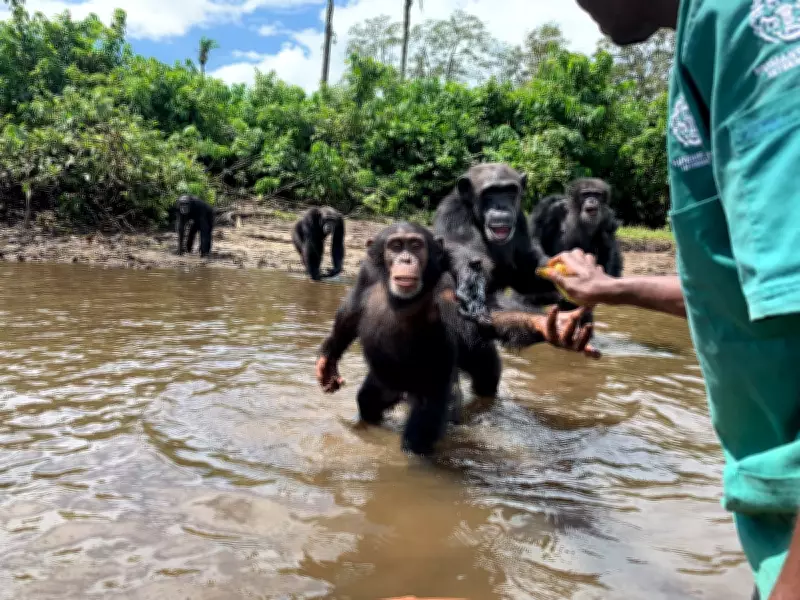
USAID's conservation work spanned decades and continents. The agency supported forest conservation in the Congo basin, helped create Gabon's national park system, funded ecotourism initiatives in post-conflict Colombia, and bolstered community forestry networks in Nepal. Their collaboration with the Jane Goodall Institute protected chimpanzee habitats in Tanzania while improving human livelihoods.
By the 2020s, Congress was approving over $300 million annually for USAID biodiversity programs, with additional funding through the US Fish and Wildlife Service and US Forest Service international programs. "We're talking about an end to a whole era of conservation," says David Kaimowitz, a longtime advocate of community-led conservation in the Amazon basin and Central America.
Frontline Consequences and Adaptation
The immediate impacts have been severe. Park rangers and wildlife crime officers in Malawi, Tanzania, Vietnam, and elsewhere have lost their livelihoods. The Endangered Wildlife Trust in South Africa lost approximately $1.2 million for projects combating rhino poaching and monitoring threatened vulture species.
Kishaylin Chetty, head of sustainability for the trust, notes that while larger organizations have found temporary support, local groups funded by USAID have been less fortunate. "The impact has been set back a number of years, and it will be a while before we can get that traction back," Chetty explains.
New Paths Forward Emerge
Despite the challenges, conservation organizations are adapting. In August 2025, SCNL secured short-term funding from the Rainforest Trust to restart eco-guard patrols. Other groups report existing donors increasing gifts and new supporters emerging in response to the crisis.
Former USAID staffers Hadas Kushnir and Monica Bansal have launched an effort to preserve the agency's accumulated climate and conservation knowledge, re-establishing contact with nearly 600 former employees, contractors, and grantees across 65 countries. They now work to match promising interrupted projects with alternative funders.

Dida Fayo, who lost his job with the Northern Rangelands Trust, founded Asal Research & Resilience Programme dedicated to community-led climate resilience. "We cannot replace USAID, but we can do big things," Fayo asserts. "We, the locals, were the engine behind what USAID was doing in this region."
Legislative Resistance and Future Uncertainty
Bipartisan support for international conservation persists in Congress. Before leaving office, President Joe Biden helped establish the US Foundation for International Conservation, which contributes $1 for every $2 raised by private donors and has so far evaded funding cuts. Congress authorized up to $100 million for the fund in summer 2025 and pushed back against eliminating international programs of USFWS and USFS in early 2026.
However, enormous funding gaps remain. European governments, facing pressure to bolster military capacity, may reduce conservation support. US philanthropists confront competing domestic appeals. James Deutsch, chief executive of Rainforest Trust, warns that the full effects may not be visible for years. "Five or 10 years from now, you'll be starting to see them," he predicts, "and people will say, 'how could we have destroyed the capacity for longer-term success?'"
The global conservation community now faces the monumental task of rebuilding what USAID supported for decades, seeking innovative funding models while protecting the world's most vulnerable species and habitats against increasingly difficult odds.