From the window of a small aircraft, Brazil's cattle country stretches out below – a landscape of huge Texan-style ranches and sprawling towns that emerged during the nation's aggressive westward expansion in the 1970s and 80s. It is a scene that makes it almost impossible to believe this was once an impenetrable rainforest during my own childhood. Today, only fragments remain, with a warming climate systematically destroying what is left.
The Burning Frontier
Along the roads, fires rage. Despite the vegetation appearing green and lush, they burn with surprising intensity. Rainfall in this region has decreased, and dry season temperatures are now approximately two degrees higher. When fires ignite – and there were around 140,000 of them last year, nearly all started by human activity – they burn for longer and with greater destructive power.
Even with significant reductions in deforestation achieved by President Lula da Silva's government, the fires of 2024 claimed millions of hectares, eroding the progress made. Once the forest burns, it typically loses its legal protection, paving the way for cattle to move in.

The Guardians of the Forest
How can rainforests, one of the planet's most critical land-based stores of carbon, withstand the dual pressures of climate change and human encroachment? The answer may lie in having people within them, like the Kayapo.
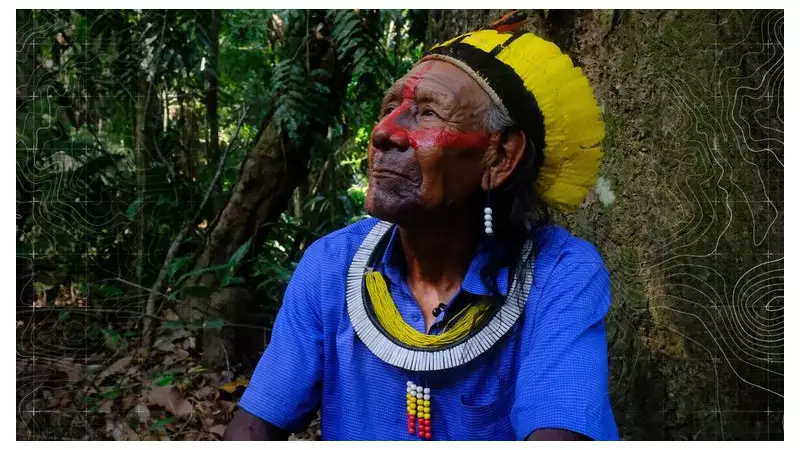
They are one of Brazil's 300-odd indigenous groups and have been among the most successful in protecting their ancestral territory. This is no small achievement, considering their land is the size of Portugal and they number just over 9,000 people. In the past, they killed invaders and violently resisted early government efforts to claim their land.
The village we arrive in is called Kubenkrankehn. The name translates ironically as "bald white man," a reference to an early missionary who came to convert the Kayapo centuries ago. He did not last long. Our greeting, however, was the opposite – a display of singing and dancing by villagers adorned in feathered headdresses and hand-sewn beads. This show of tradition and unity is credited with their success, but it is also, unmistakably, a performance for our cameras.
The Kayapo's fight today is for recognition and financial support to protect their land, as ranches, roads, and illegal gold mines continue to consume the forest bordering their territory.
A Precious Ecosystem Under Threat
After being shown a guard post, we travel deeper to witness what they are defending. Nothing prepared me for its overwhelming beauty – a land of waterfalls and towering trees, every inch teeming with life. Here, the constant buzzing, pinging, and metallic ringing does not come from mobile phones, but from the millions of creatures that sound like them.
An elder explains how even this pristine forest has changed due to warmer temperatures and declining rainfall. He states that leaders who deny climate change can only do so because they live in comfortable, insulated cities. When I ask what he makes of Donald Trump, he replies that he has never heard of him.
The Kayapo are sending delegates to COP30, as they have for years. Their motivation is not rooted in the politics of climate change or the transition to a low-carbon economy. Where developed world leaders see a monumental challenge, they see a clear opportunity.
Rainforests represent one of the most powerful natural systems for storing greenhouse gases, sucking up the carbon we emit and transforming it into life. With two or more degrees of global warming now almost certain, keeping forests like theirs standing is one of our few remaining insurance policies against a dangerously hotter future.