Arctic Ice Loss in Barents Sea Triggers Dual Heatwaves Across Europe and Asia
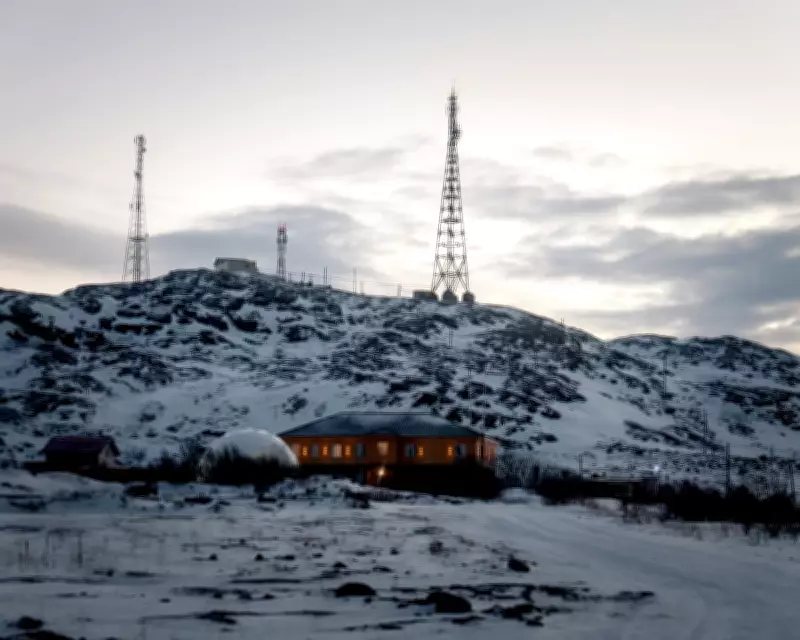
A remote fishing village on the shore of the Barents Sea might appear disconnected from global weather patterns, but groundbreaking research demonstrates its profound influence. The Barents Sea, situated off the northern coasts of Norway and Russia, is now identified as a critical driver of concurrent summer heatwaves across Europe and eastern Asia due to accelerating ice loss.
Research Links Ice Loss to Extreme Weather Events
Jilan Jiang from the Chinese Academy of Meteorological Sciences in Beijing, along with colleagues, conducted an extensive analysis of ice data and global weather patterns dating back to 1979. Their findings reveal a direct correlation between intensified spring and summer ice loss over the Barents Sea since 2000 and the occurrence of dual heatwaves in Europe and eastern Asia.
Prior to the year 2000, ice loss was primarily concentrated in the southern Barents Sea. However, since then, persistent ice loss has expanded to the northern region as well. This additional ice depletion has triggered unusual atmospheric circulation patterns over north-western Europe and established high-pressure systems over east Asia, setting the stage for simultaneous heatwaves in both continents.

Implications of Rapid Arctic Warming
The study, published in the Journal of Geophysical Research: Atmospheres, underscores how rapid Arctic warming is increasing the frequency of these extreme weather events. The multi-continental nature of the heatwaves elevates the risk of widespread crop failures, public health emergencies, and significant ecosystem damage across affected regions.
Researchers emphasize that the dual heatwaves pose a compounded threat, as simultaneous extreme temperatures in Europe and Asia can strain global resources and emergency response systems. The interconnectedness of these events highlights the far-reaching impacts of localized environmental changes in the Arctic.
Potential for Improved Resilience
Despite the alarming findings, the increased understanding of the triggers behind these heatwaves offers a pathway to enhanced preparedness. Improved early warning systems and the development of greater resilience to extreme weather events could mitigate some of the most severe consequences.
By identifying the specific atmospheric patterns linked to Barents Sea ice loss, meteorologists and policymakers can better anticipate and respond to future heatwaves. This knowledge is crucial for safeguarding agriculture, public health, and natural ecosystems in vulnerable regions.
The research serves as a stark reminder of the global repercussions of Arctic environmental changes, urging continued investigation and proactive measures to address the escalating climate crisis.